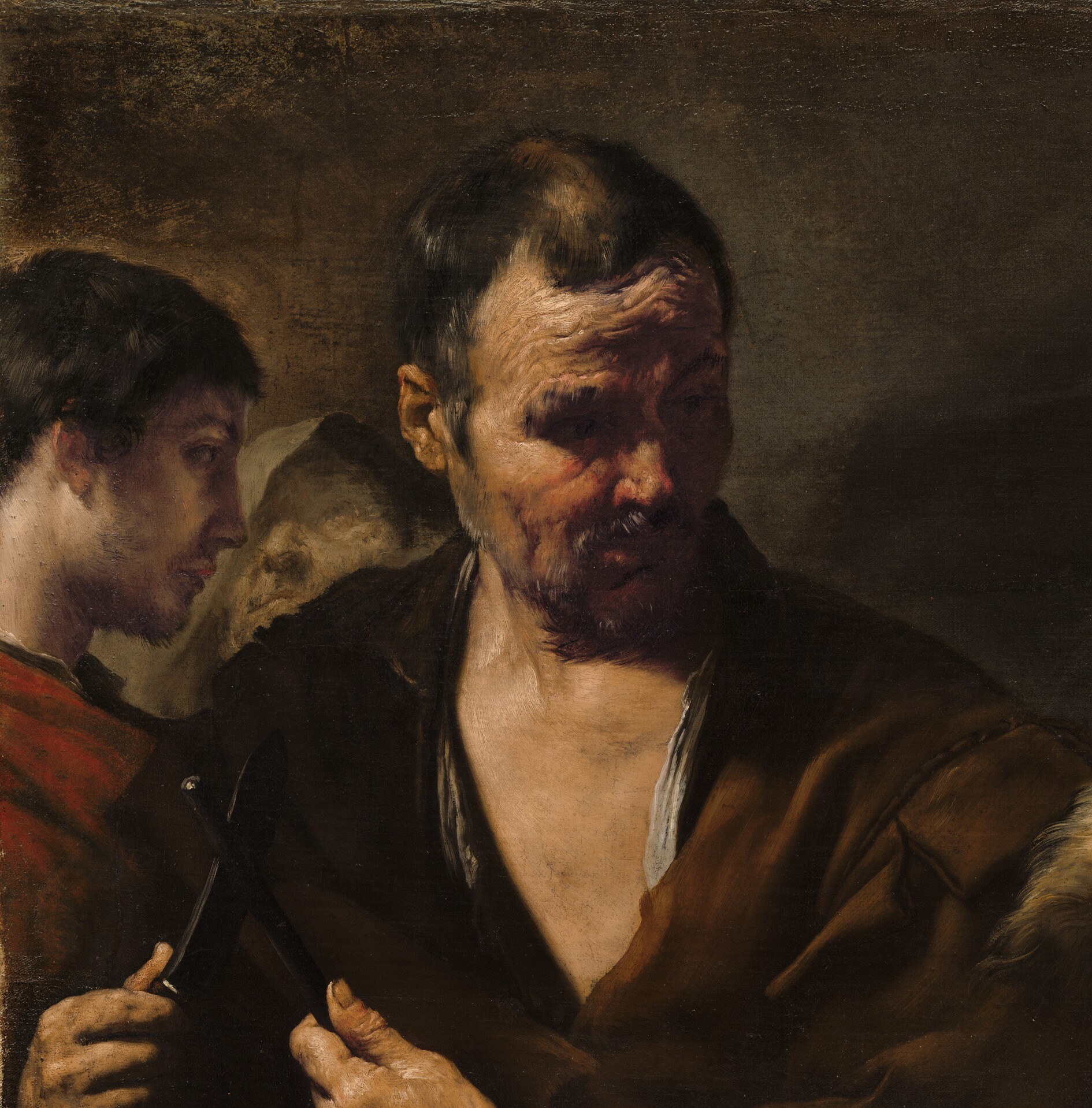
The Martyrdom of Saint Bartholomew by Ribera, Jusepe de
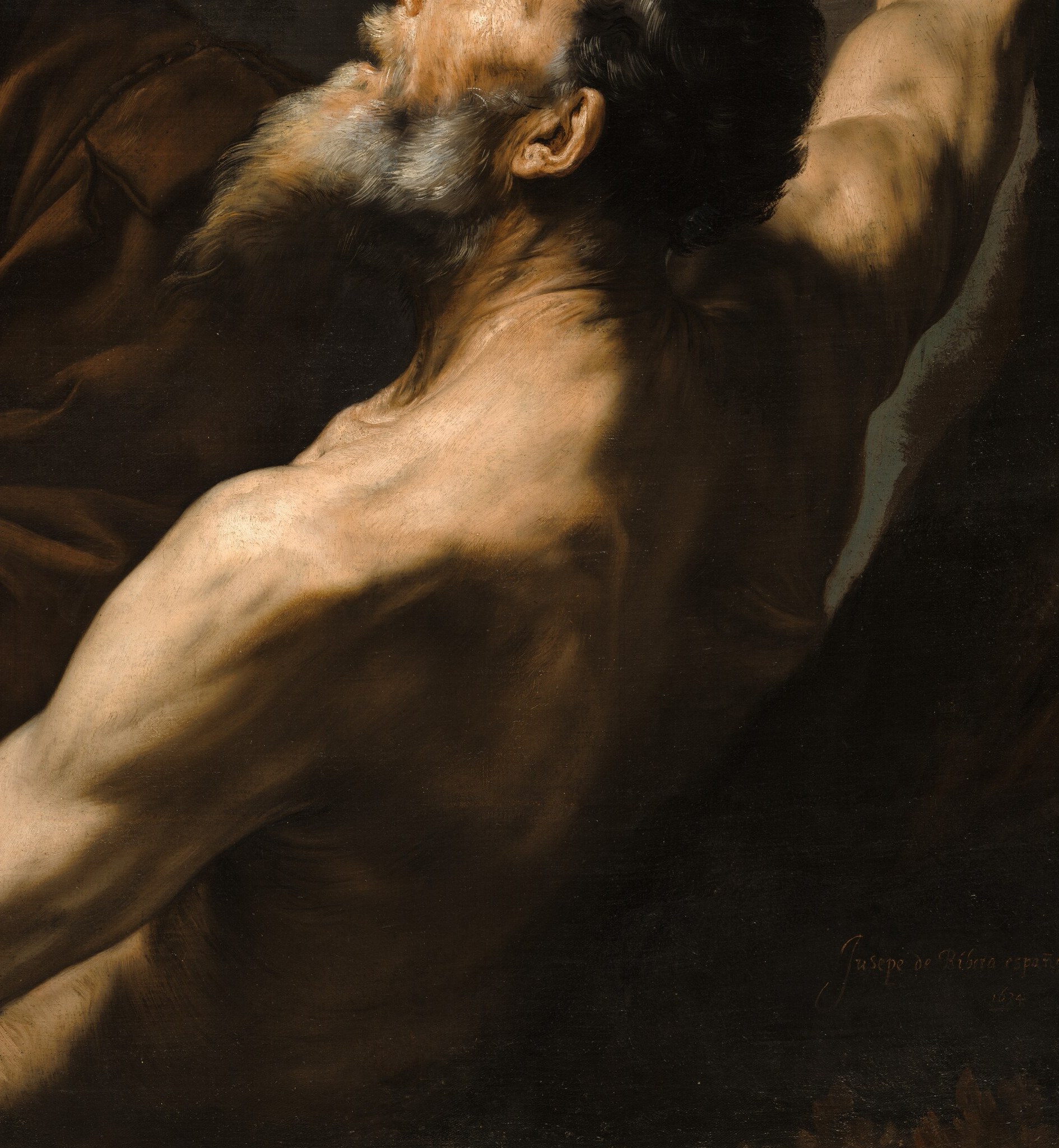
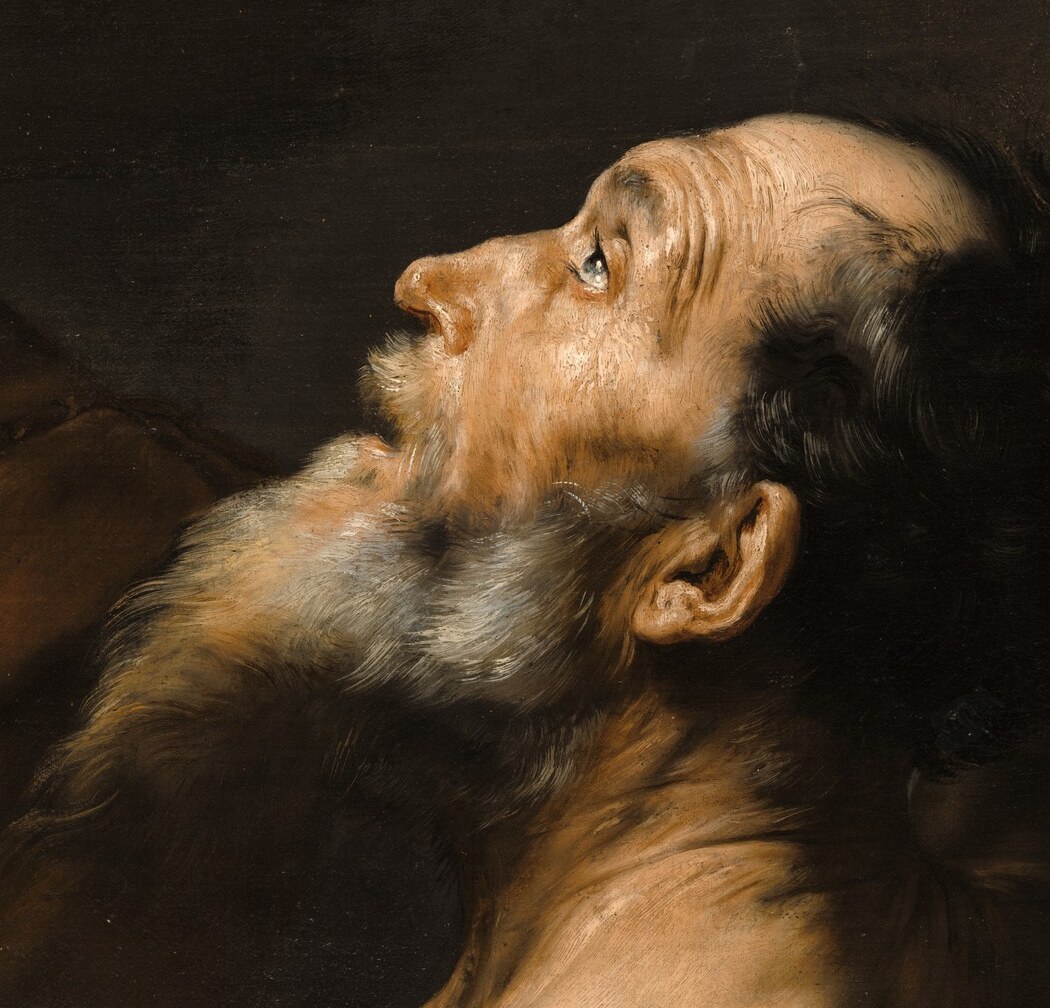
Ribera painted this in 1634, and the first thing you notice is the brutality. The executioner strains at the rope, and the saint's body is a study in aged muscle and taut skin. But the real shock is quieter.
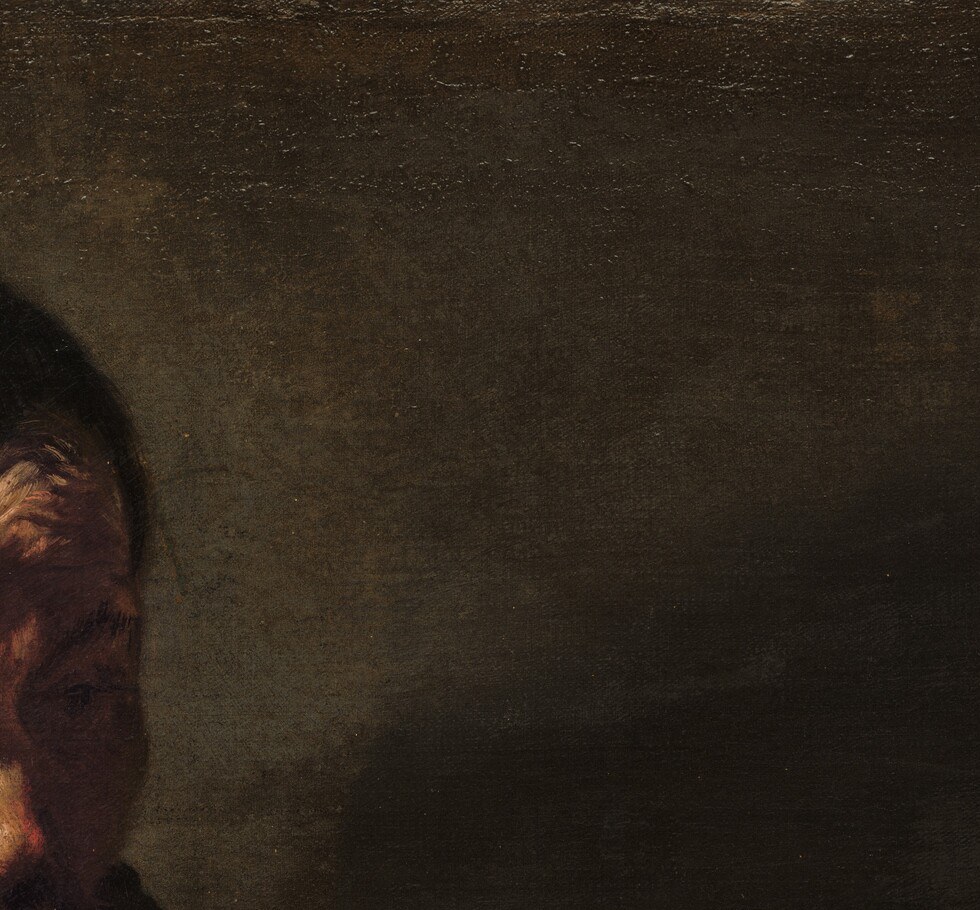
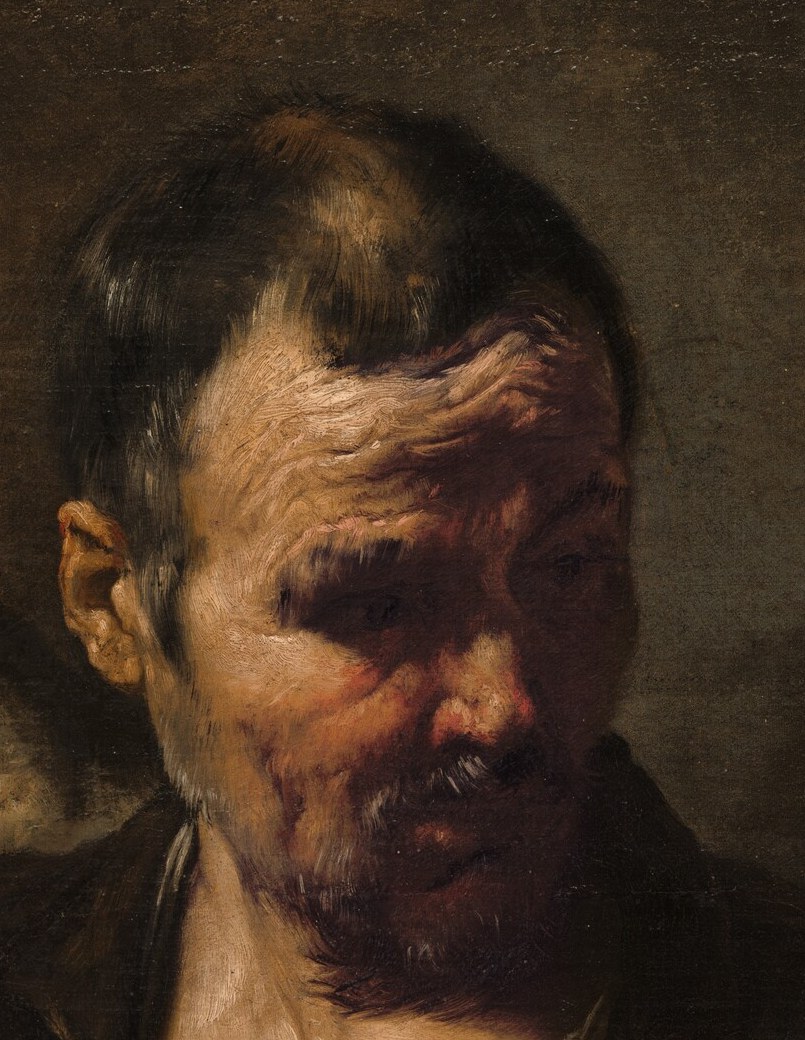
The man in the shadows behind the executioner's shoulder is easy to overlook in reproduction. On the canvas he is a fully realized face, half-lit, watching. He is not a participant. He is a witness, and his passivity is the painting's sharpest cut. Ribera knew that in a scene of horror, the person who merely watches carries a special guilt.
This is Baroque Naples, where Ribera built his reputation on uncompromising martyrdoms. The Counter-Reformation demanded art that made faith visceral: you were meant to feel this body, this rope, this darkness. But Ribera went further by complicating the moral structure. The executioner is just a laborer. The shadow witness is just a man. The composition offers no safe place to stand.
The museum calls this The Martyrdom of Saint Bartholomew. But the painting asks a single, uncomfortable question in the dark: what would you have done, standing there?
Details
Transcript
At first, you see the executioner and the saint. Ribera's light is pitiless. Every muscle, every cord of rope. The executioner is not a monster. He is a man doing a job. Now look to the blackness behind his shoulder. Another face. A third man, watching in silence. He does nothing. His stillness makes him the most disturbing figure here. Ribera turned bystanders into mirrors. You are the fourth face in this room.