Peasants Dancing and Feasting by David Teniers the Younger
View the artwork: Peasants Dancing and Feasting →
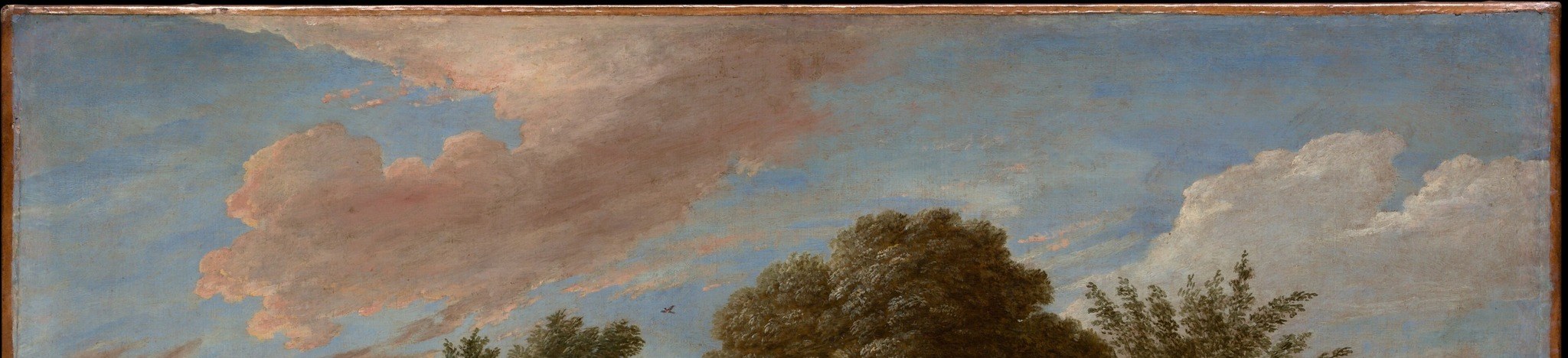
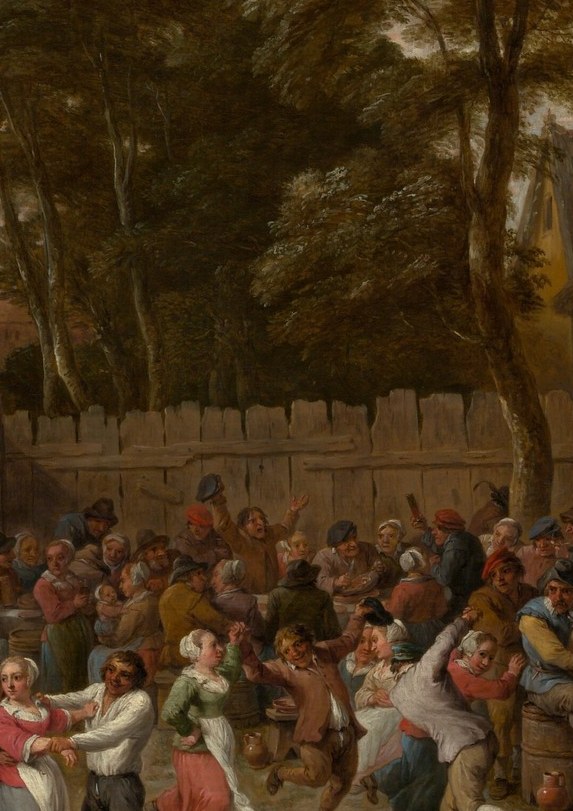
David Teniers the Younger painted "Peasants Dancing and Feasting" in 1660, and it immediately caused a problem. Teniers was the most successful genre painter in Flanders, the court painter to Archduke Leopold Wilhelm in Brussels, and a man who could make a tavern scene feel like a masterpiece. But when he offered this painting to his patron, the court found it embarrassing.
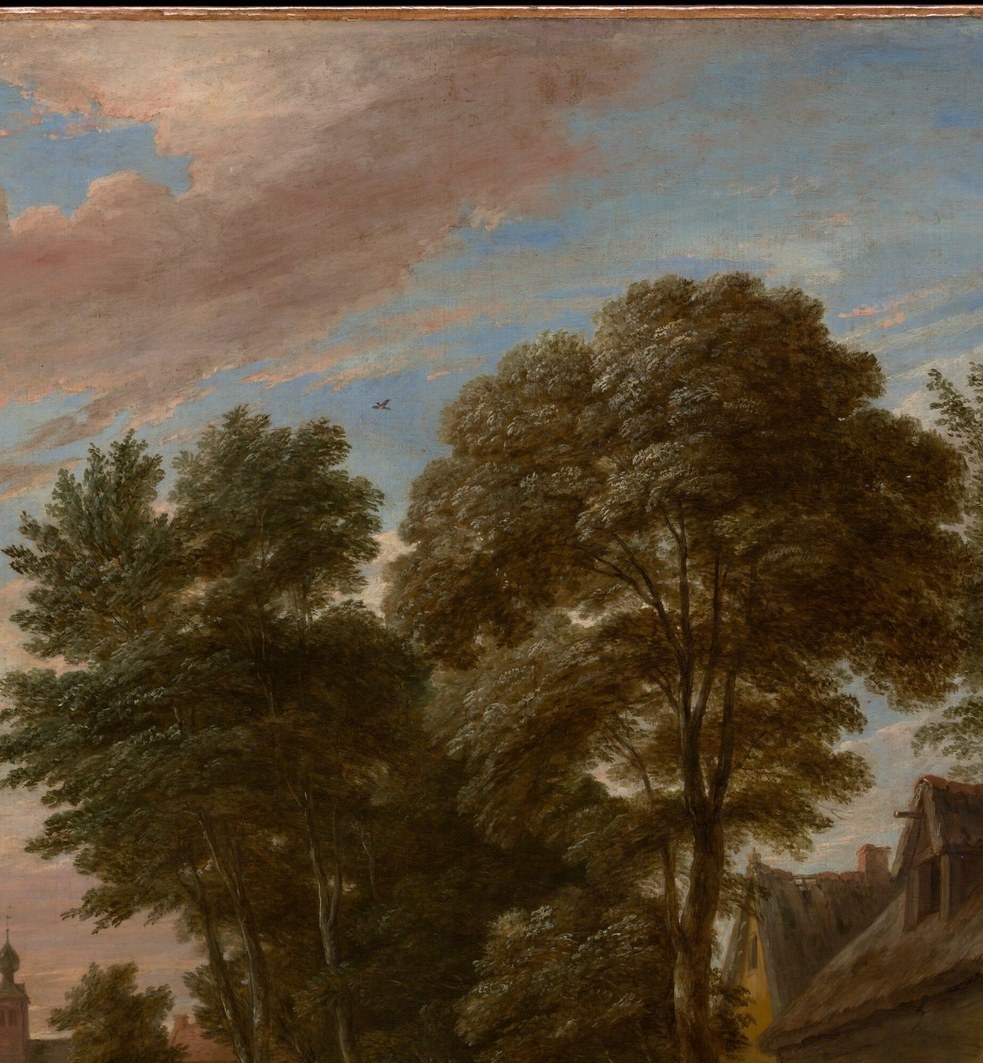
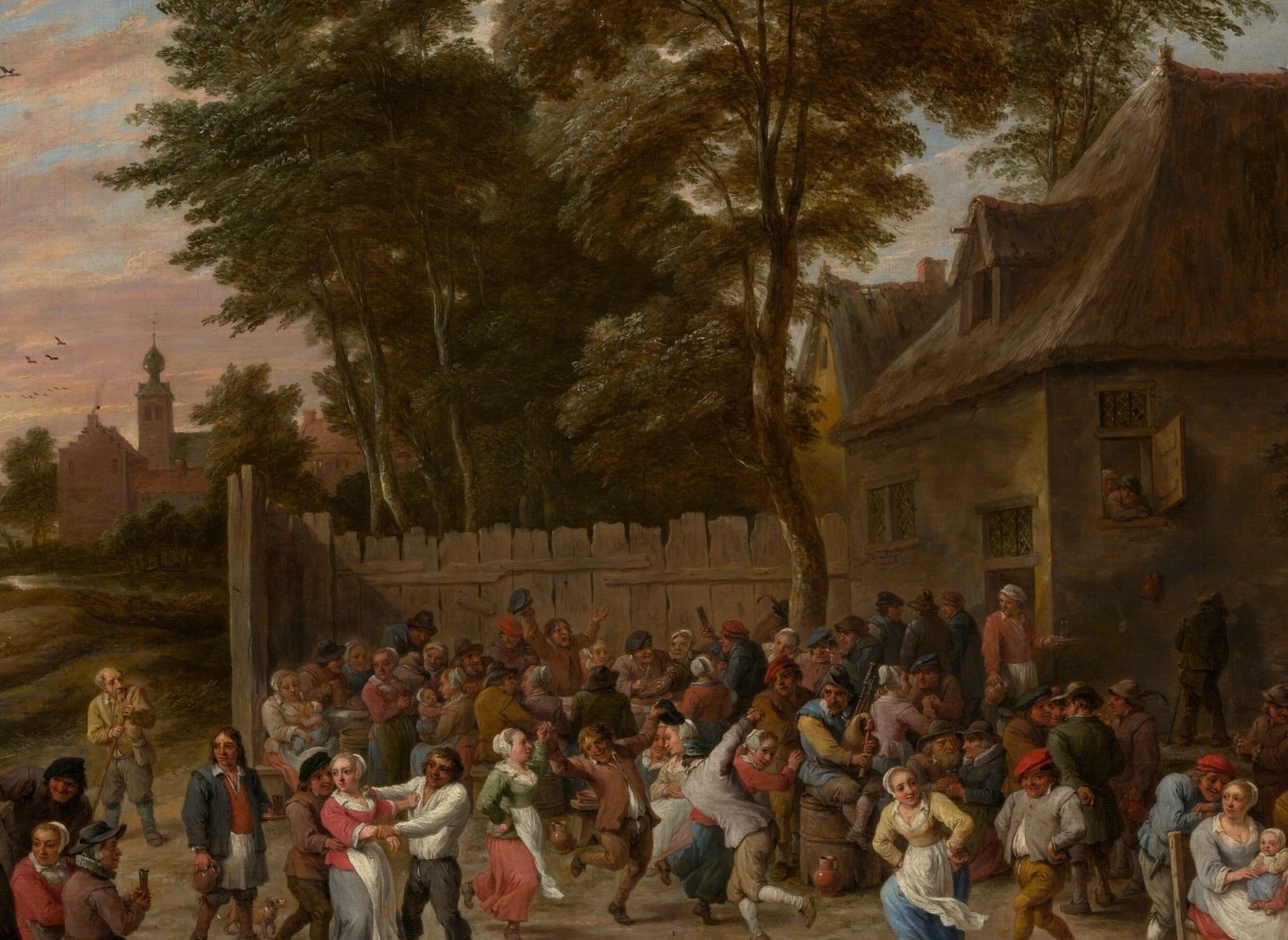
Look at the central couple. Everyone else is drinking, talking, or playing music, but these two are locked in a moment that the court found too coarse for a royal collection. The painting is a village kermis, a feast day with a church steeple in the background and a warm dusk sky, but the earthy realism that made Teniers famous crossed a line here. The painting was originally listed in the archducal inventory as a wedding scene, then quietly removed from display.
Teniers painted peasants not as caricatures but as people who worked hard and celebrated harder. That realism was the problem. The court preferred their peasants scrubbed clean and sentimental. This one was too honest. It stayed in storage for generations, a painting by a master that his own patron couldn't hang on the wall.
The irony is that today it's exactly this unvarnished human energy, the dog ignoring it all, the kids underfoot, the pink dusk catching everyone in mid-motion, that makes the painting feel alive. What the court called vulgar, we now call a document of real life. The painting lives at the Metropolitan Museum of Art.
#arthistory #davidteniers #flemishart
Details
Transcript
1660. David Teniers was the most famous painter in Antwerp. He painted this feast for a prince. The prince's court saw it and recoiled. Not for the dancing. But for what the dancers are stopping to do. They called it a village wedding and hid it from view.