Washerwomen on the Beach of Etretat by Boudin, Eugène
View the artwork: Washerwomen on the Beach of Etretat →
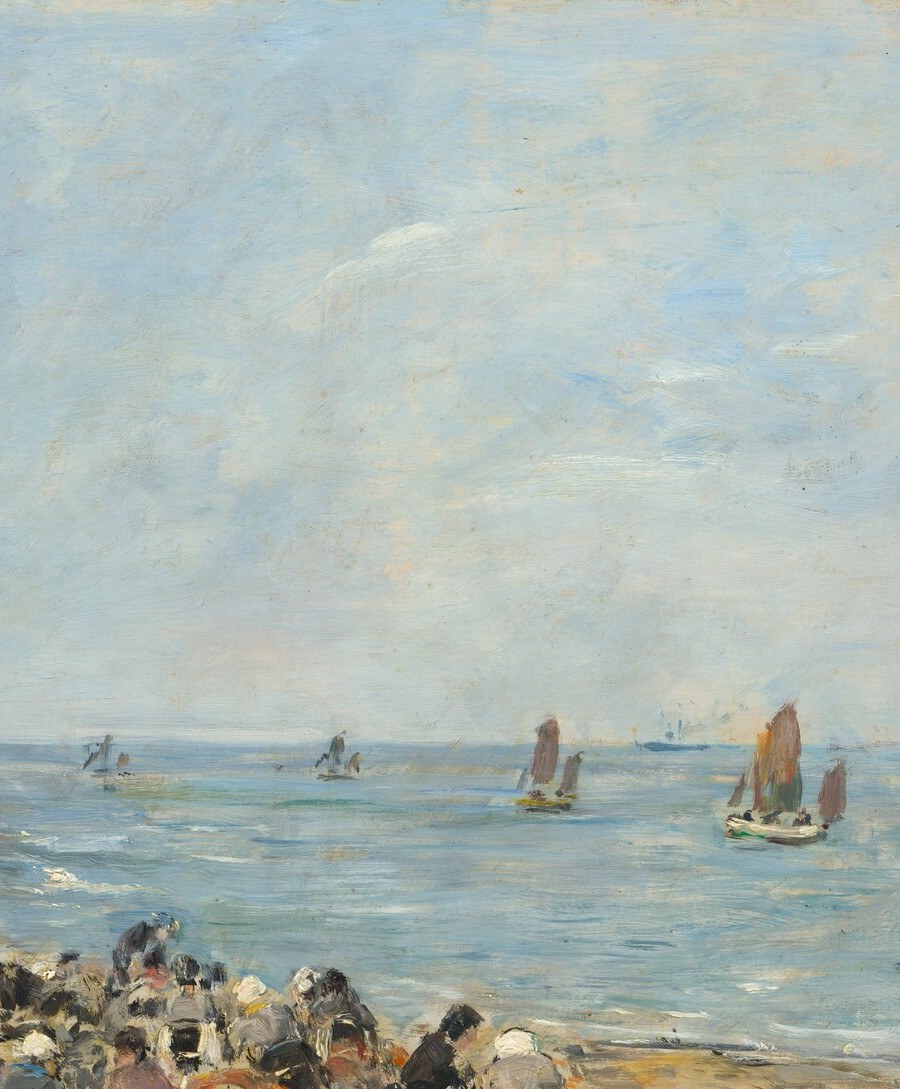
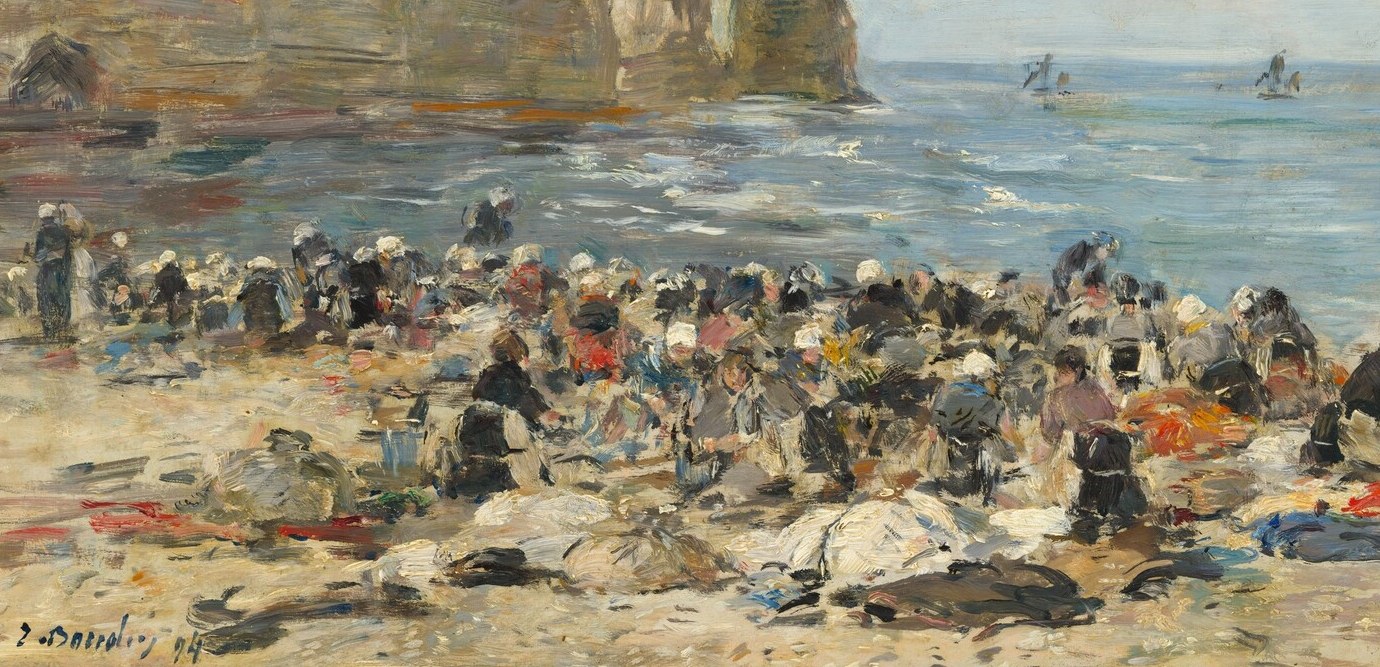
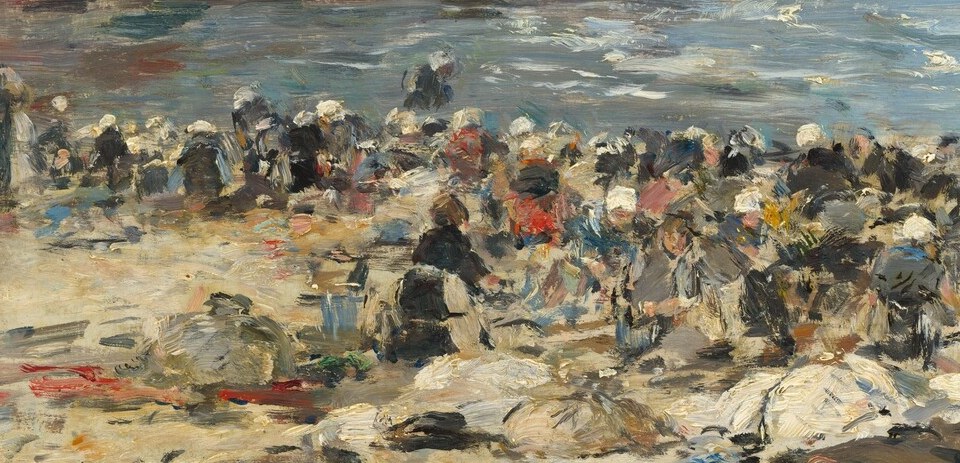
Eugène Boudin’s “Washerwomen on the Beach of Etretat” (1894) is one of the last great paintings of his long career, now held at the Musée d’Orsay. It captures a communal female labor ritual that has completely vanished from the Normandy coast: washerwomen kneeling on the harsh flint pebbles, wringing and beating heavy linens in the shallow sea.
The painting is built on a quiet human contradiction. The women’s faces are illegible, dissolved into loose brushwork that turns them into a collective body of toil. But one upright figure in the center interrupts the rhythm. She is the only one not bent over, and her posture, however unintentional, pulls the eye away from anonymity toward the individual.
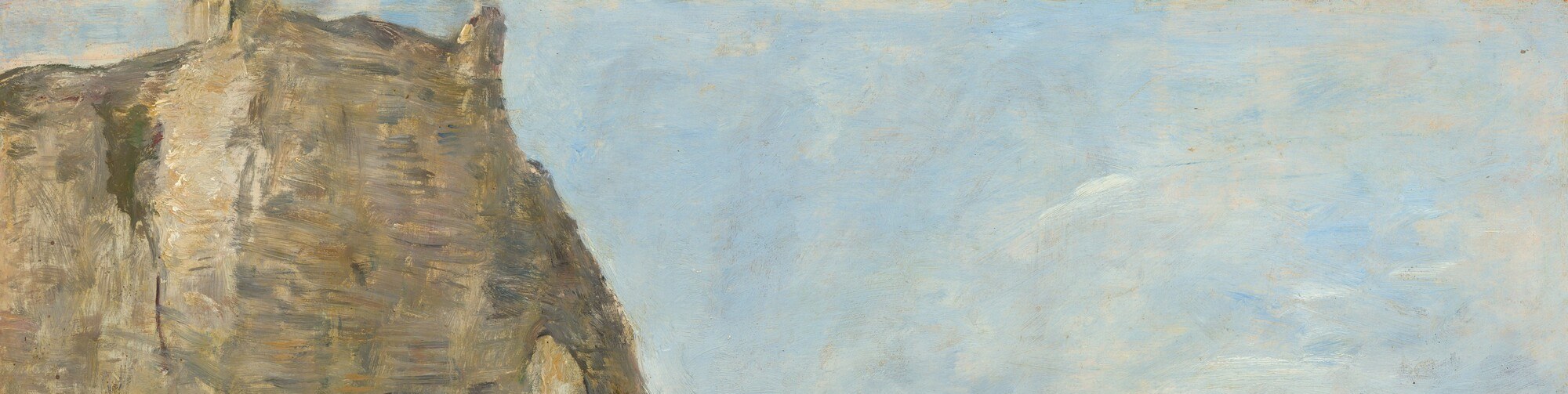
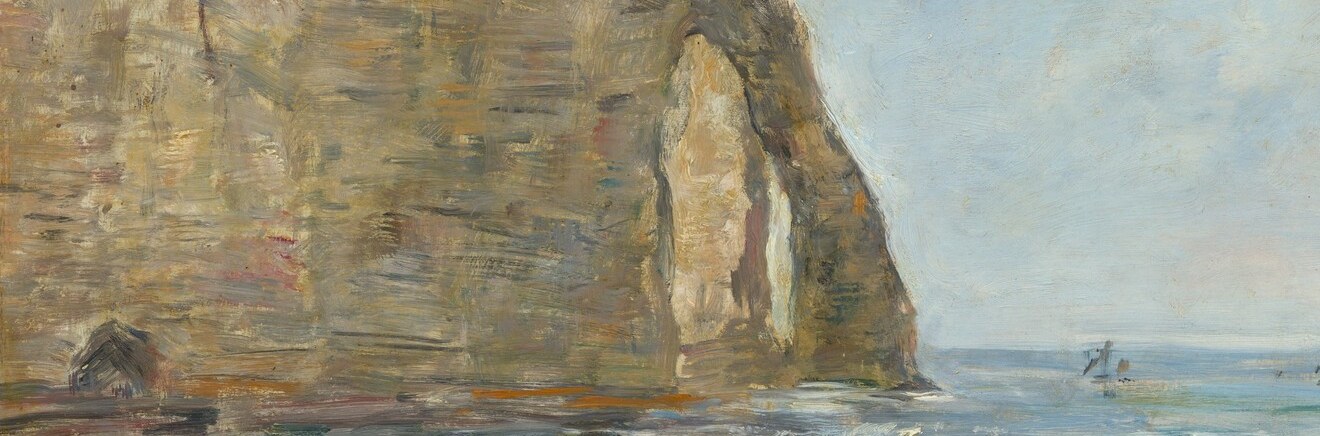
Boudin first sketched the cliffs of Étretat fifty years earlier, walking the same pebbled beach alongside a teenage Claude Monet, who would later call him his master. Boudin was one of the first French painters to work en plein air, a marine painter so devoted to atmosphere that Corot named him the “King of the Skies.” This late work carries all of that: the hazy Channel light, the famous arch, the dark-sailed fishing boats on the horizon.
There are no portraits here, but there is a portrait inside the painting. It is of a man who spent a lifetime looking at one place, and found in the labor of strangers something dignified enough to return to, again and again.
#arthistory #eugeneboudin #impressionism
Details
Transcript
They worked on a pebbled beach, not sand. Dozens of women, bent to the same task. Washing linens in the sea. A communal labor, now extinct. One woman stands, breaking the rhythm. The painter was Eugène Boudin. He was 70 years old. He had first sketched this beach 50 years earlier, with a teenage Monet. A lifetime later, he still came here to watch the light on the water.