Magdalen with the Smoking Flame by Georges de La Tour
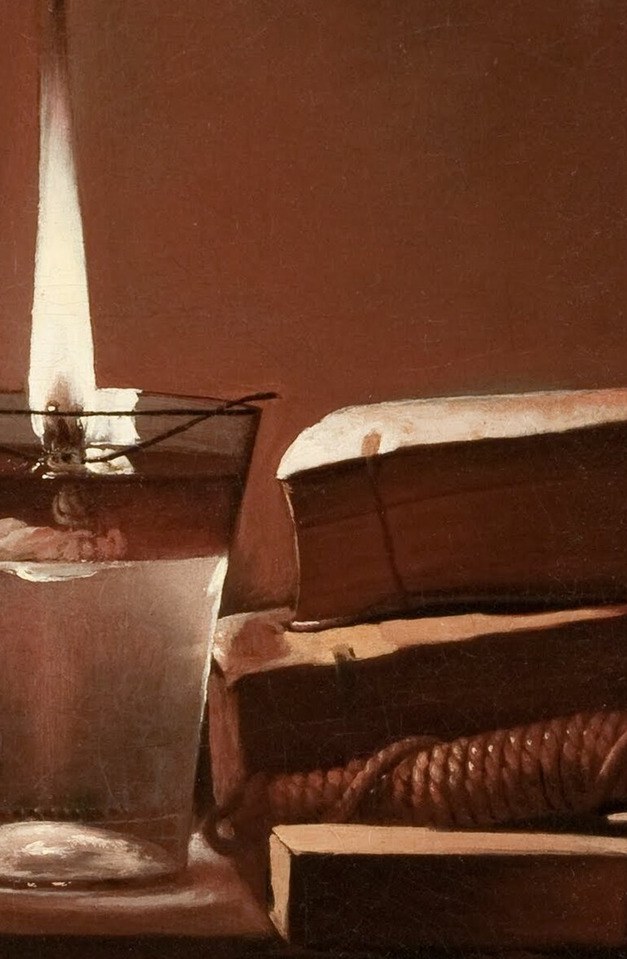
A single wisp of smoke gives this painting its name. Georges de La Tour's Magdalen with the Smoking Flame, painted around 1640, hangs in the Los Angeles County Museum of Art. It is a vanitas scene disguised as a devotional portrait, and almost everything La Tour wanted to say floats above that candle.
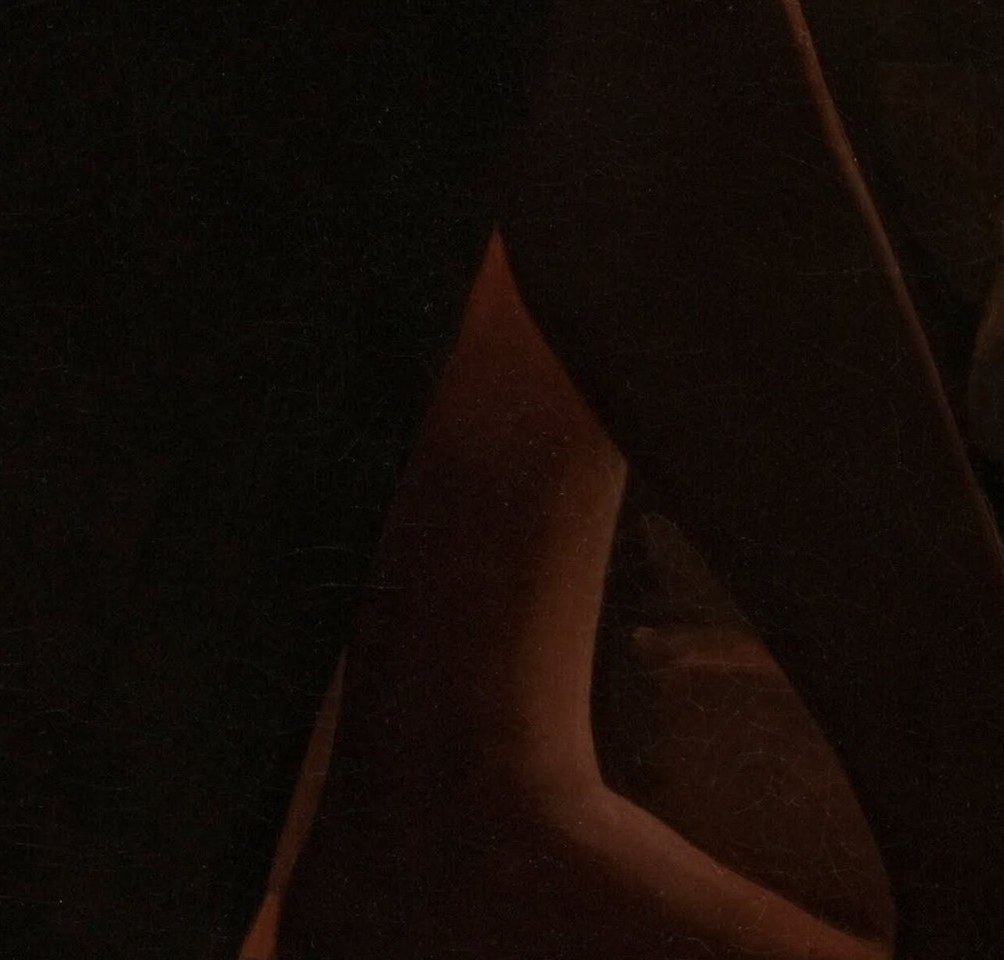
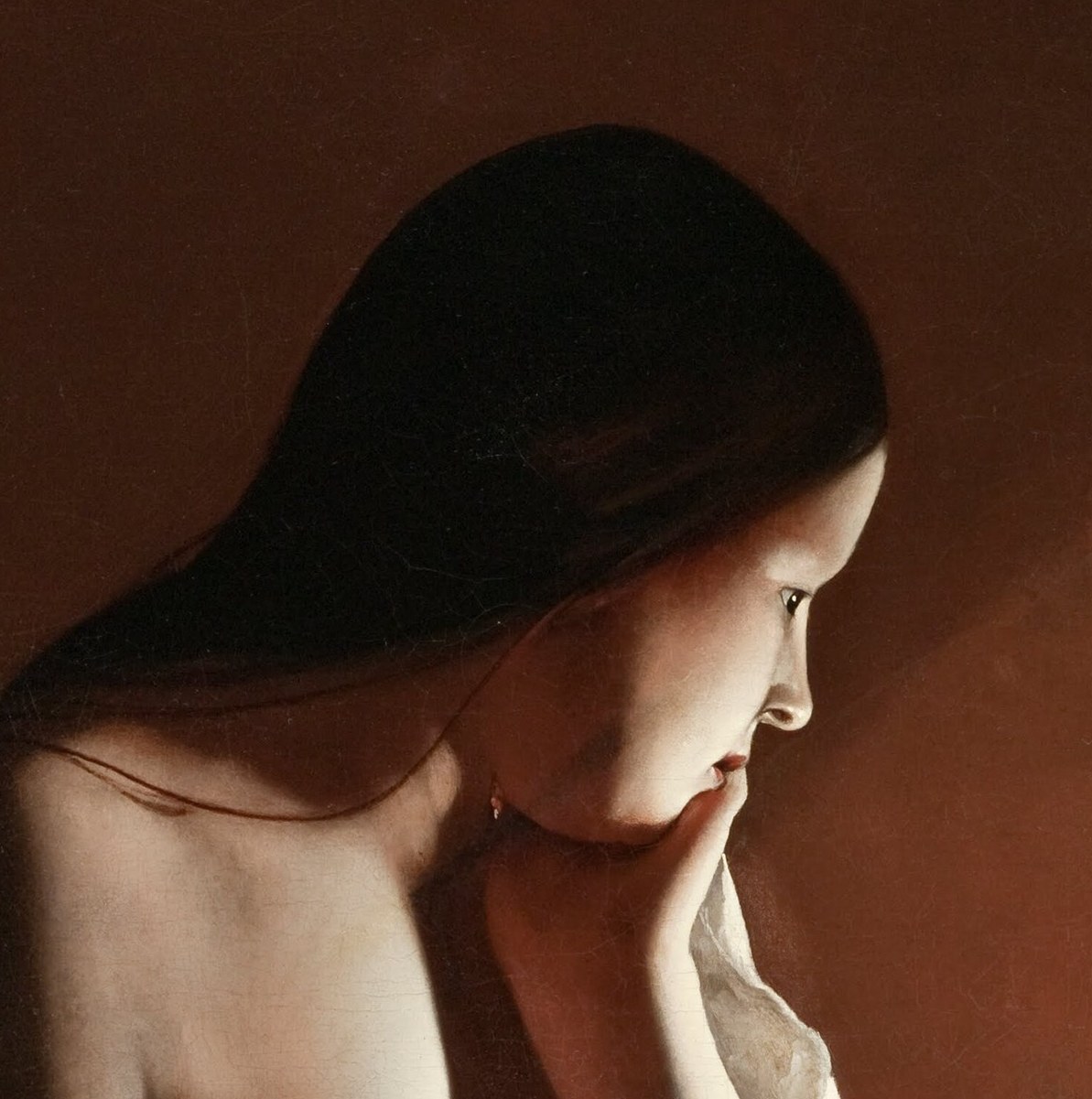
The composition is built on objects: a skull in her lap, a mirror face-up on the table, a stack of closed books, a single flame. The Magdalene's bare hands rest on bone, and the contact between living skin and death is the painting's most tactile argument. Her white blouse acts as a secondary light source, bouncing the candle's warmth, while the left edge of the canvas falls into absolute black. La Tour makes the boundary between existence and void visible.
La Tour worked in the Duchy of Lorraine, a contested region absorbed by France during his lifetime. He was famous in his day, then forgotten for nearly three centuries until a German art historian rediscovered him in the early twentieth century. His candlelit scenes draw from Caravaggio but feel quieter, more interior. There is no theater here, only a woman alone with the fact that she will die.
The smoking flame was La Tour's final touch. Even a burning light leaves only a trace. What do you make of the mirror she has set aside?
Details


Transcript
You saw the skull. You saw the candle. Maybe you even caught the mirror she no longer looks into. But Georges de La Tour hid something quieter. A single, barely-there curl rising from the flame. That wisp of smoke gave the painting its name. The flame is life. The skull is death. The smoke is what remains. La Tour paints mortality as something you can barely see.