Saint Margaret of Cortona by Piazzetta, Giovanni Battista
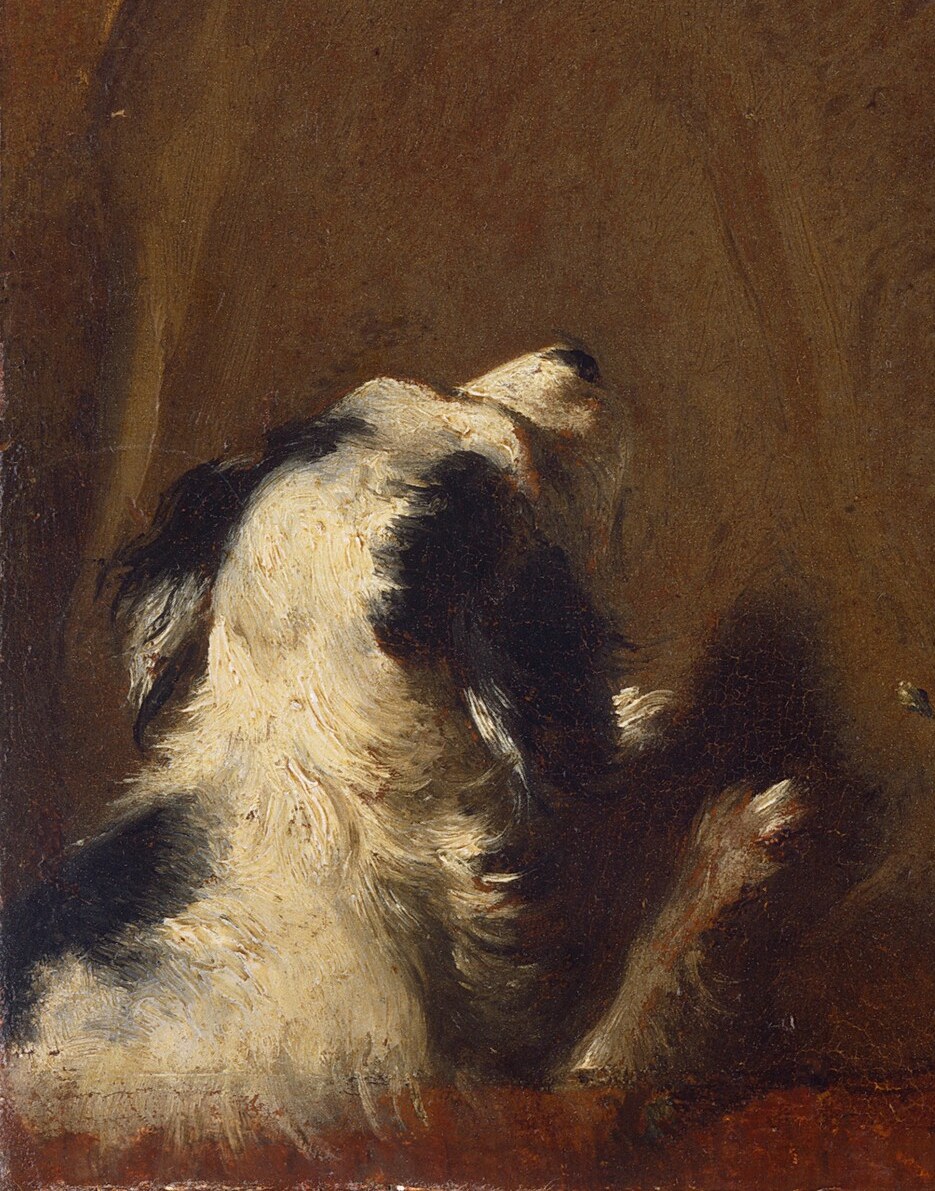
The small fluffy dog at the bottom left of Giovanni Battista Piazzetta's 'Saint Margaret of Cortona' (1737) is not a pet. It's the narrative key to the entire painting. According to the saint's life, this dog led Margaret to the body of her murdered lover in the woods outside his estate. The discovery shattered the life she knew as a nobleman's mistress and triggered her conversion to a life of extreme penance.
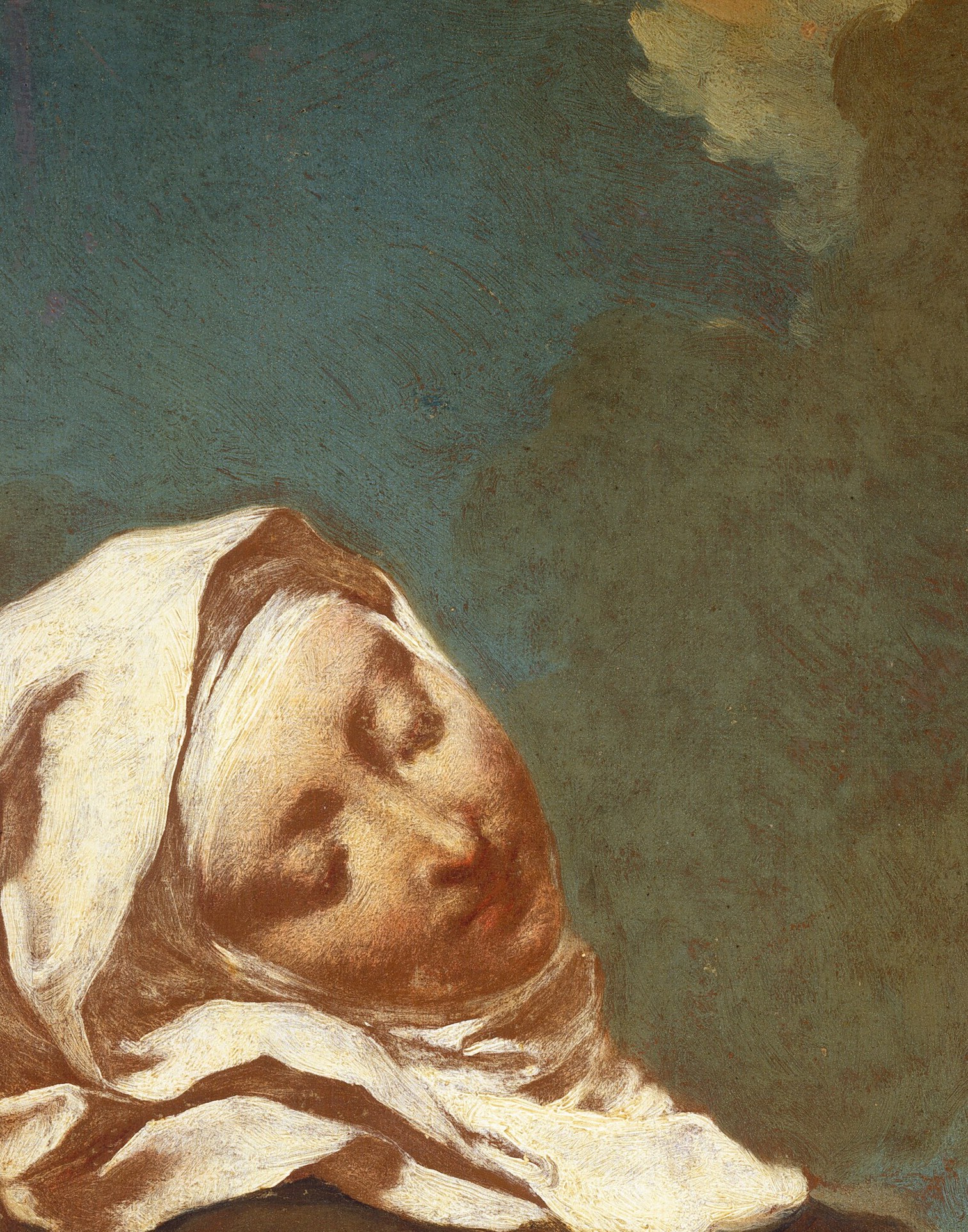
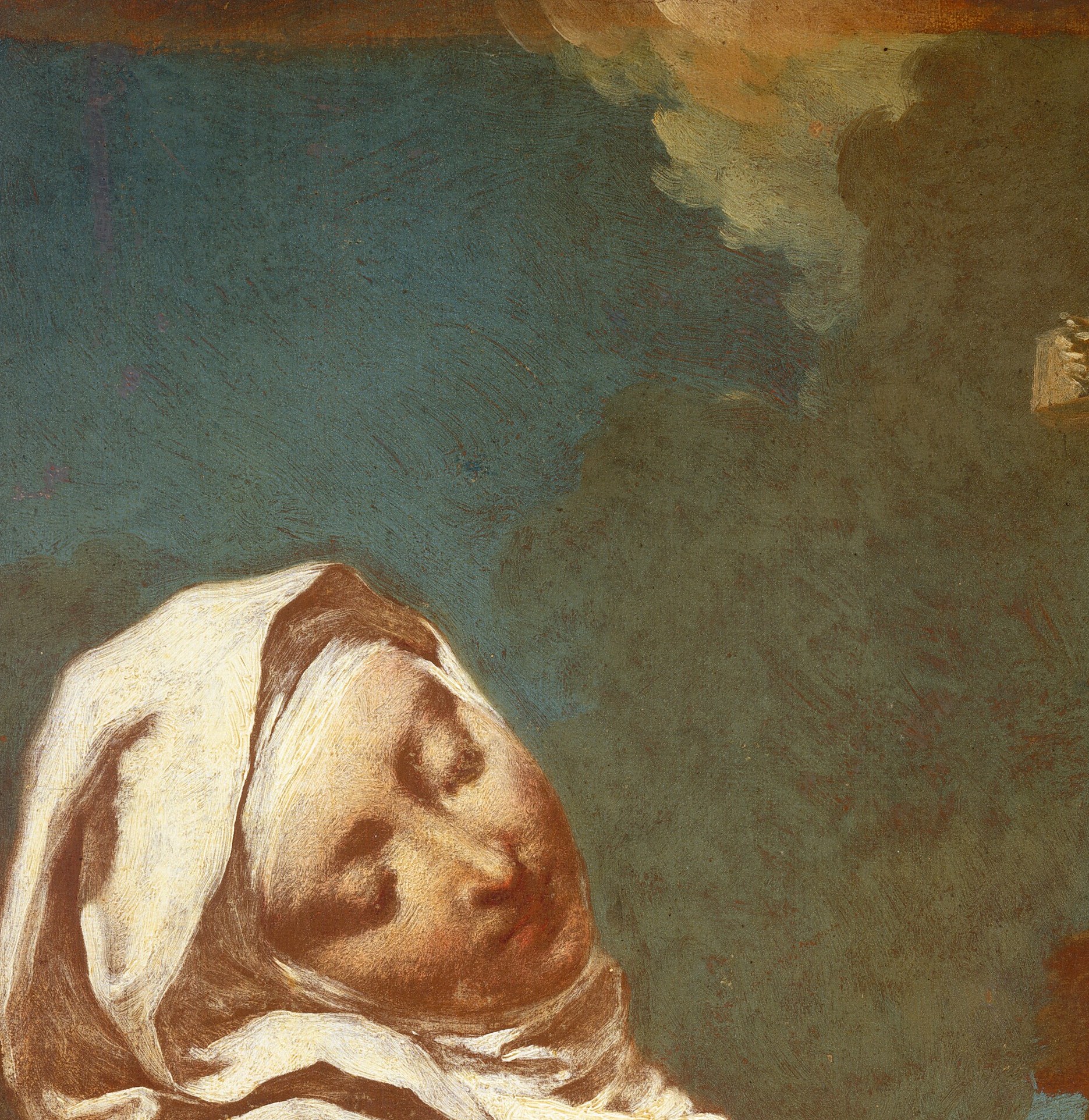
Look at where Piazzetta places things. The dog is in deep shadow, almost lost. Margaret's hands press inward to her chest, a classic gesture of compunction. Her face tilts up toward a small crucifix in the opposite corner. Every line in the composition pulls your eye from the hidden trauma in the dark lower left to the source of her solace, diagonally across the canvas.
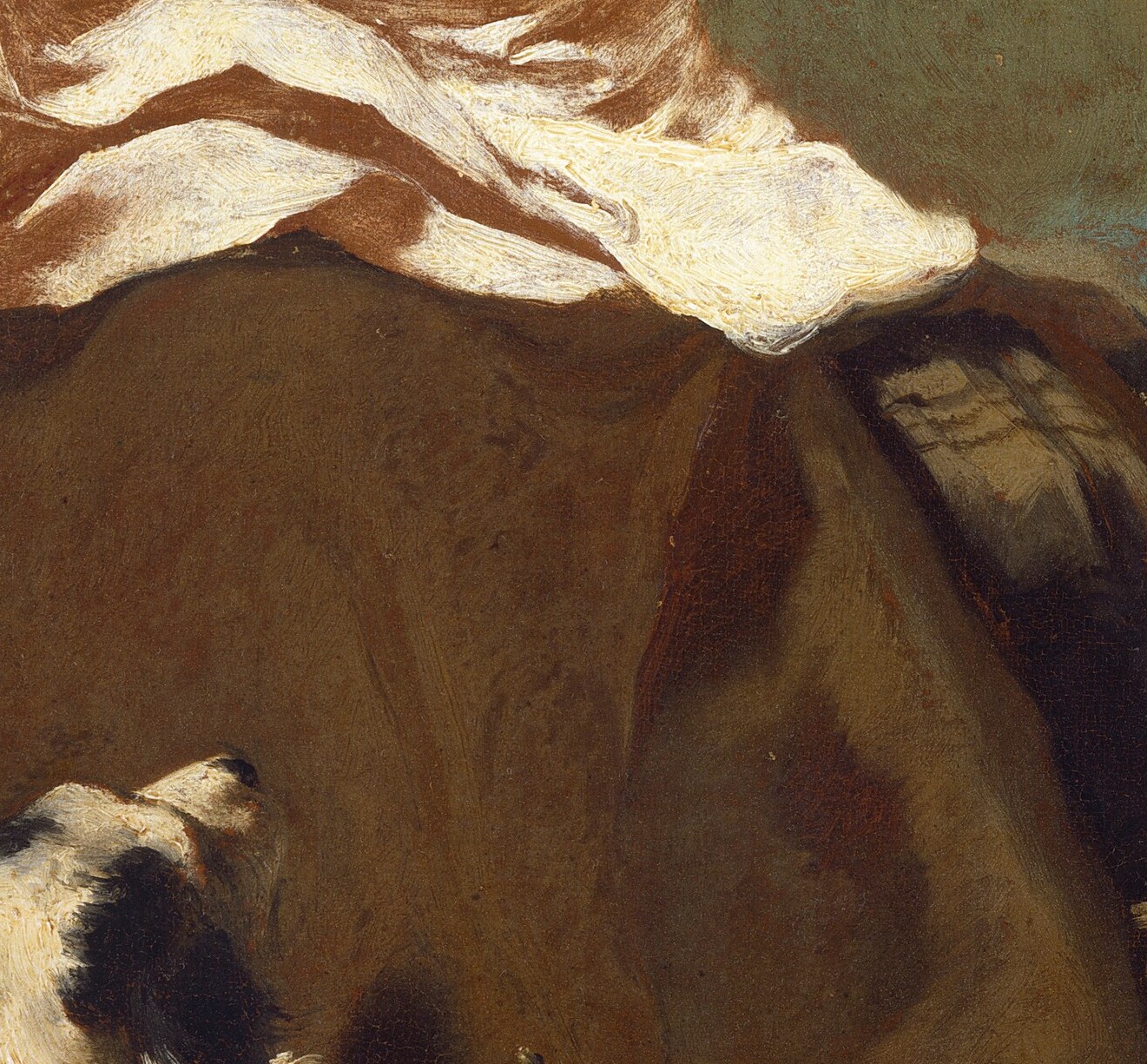
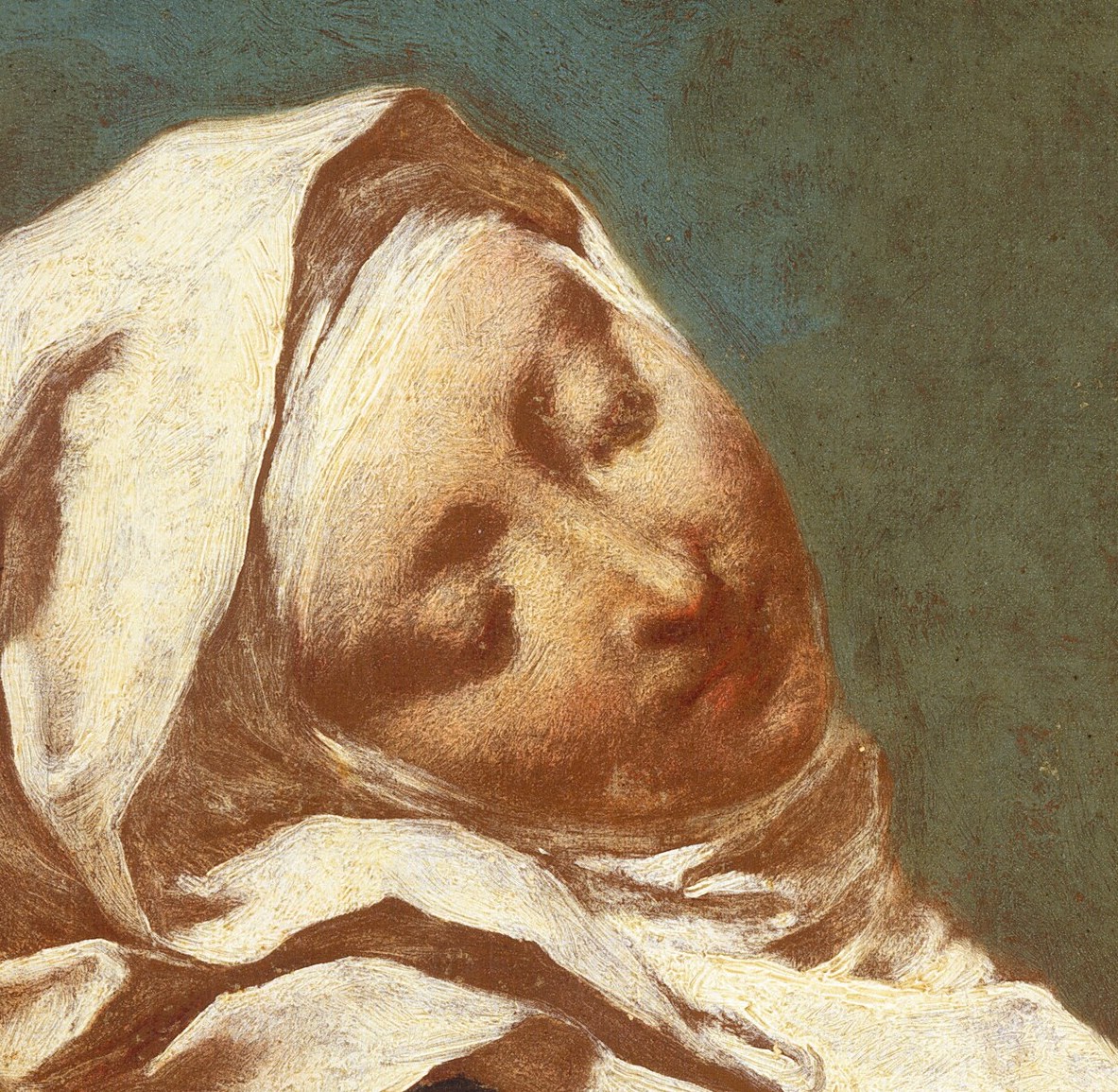
Piazzetta painted this in Venice in 1737, during the Rococo period. Venice at the time loved decorative surfaces and lighthearted scenes, but Piazzetta kept applying that refined technique to serious religious subjects. Here, the white wimple is a showpiece of thick, luminous oil paint against near-black drapery. The forehead and the veil catch the brightest spotlight in the painting.
The dog is easy to miss on a phone screen. But it carries the whole story: the moment a worldly life ended and a saint's life began. What other detail changes the meaning of the whole painting once you see it?
Details
Transcript
You might think it's just a saint in ecstasy. But Piazzetta hid the entire reason for her sainthood in the shadows. This dog led Margaret to her murdered lover's body. The trauma shattered her life and sent her into the church. Piazzetta painted this in Venice, 1737. He gave the white veil a thickness you can almost feel. And her face is the brightest point in the whole painting.