The Second of May 1808 by Francisco Goya
Francisco Goya’s "The Second of May 1808," painted in 1814, captures a pivotal moment of resistance at the Museo del Prado in Madrid. This dynamic work depicts the Dos de Mayo Uprising, when the people of Madrid rose against Napoleon's French occupation.
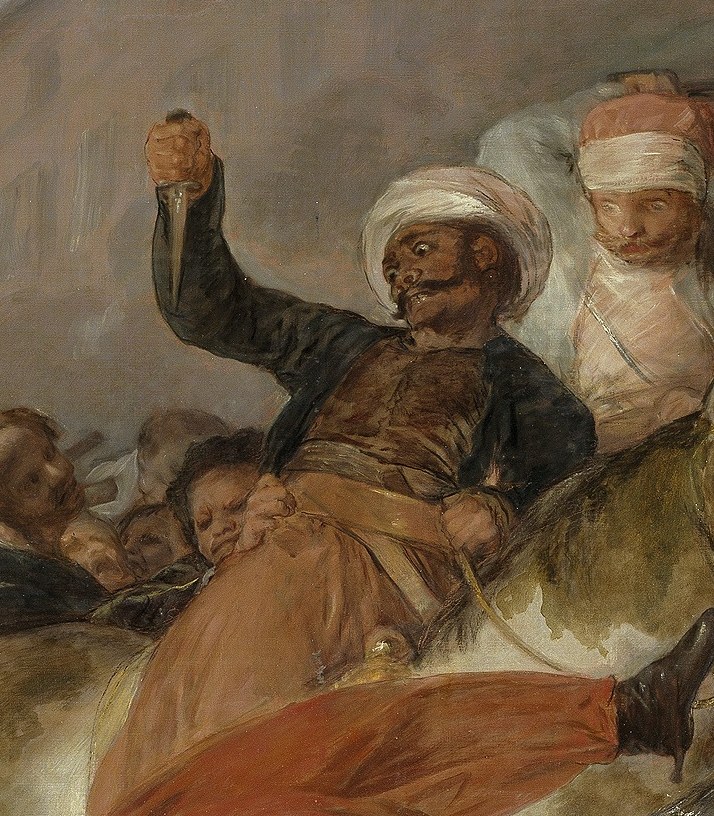
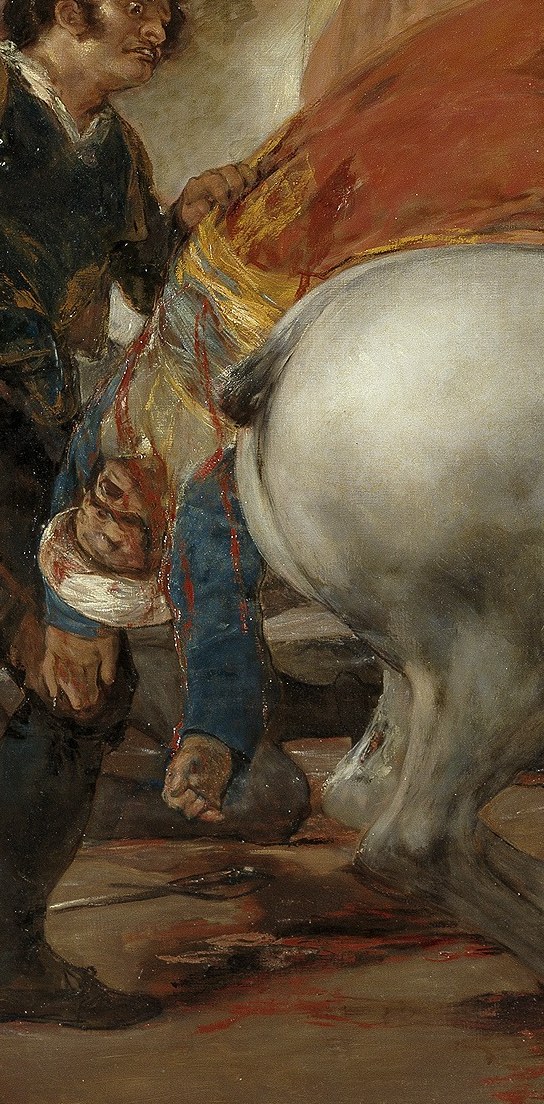
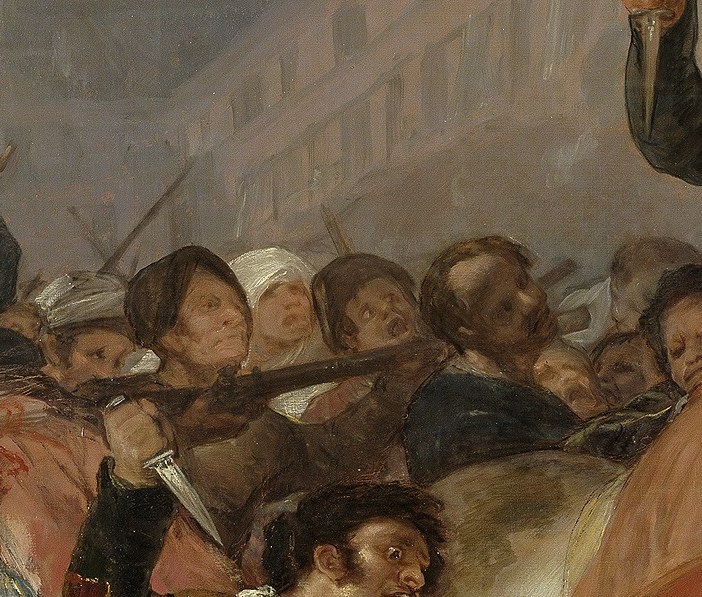
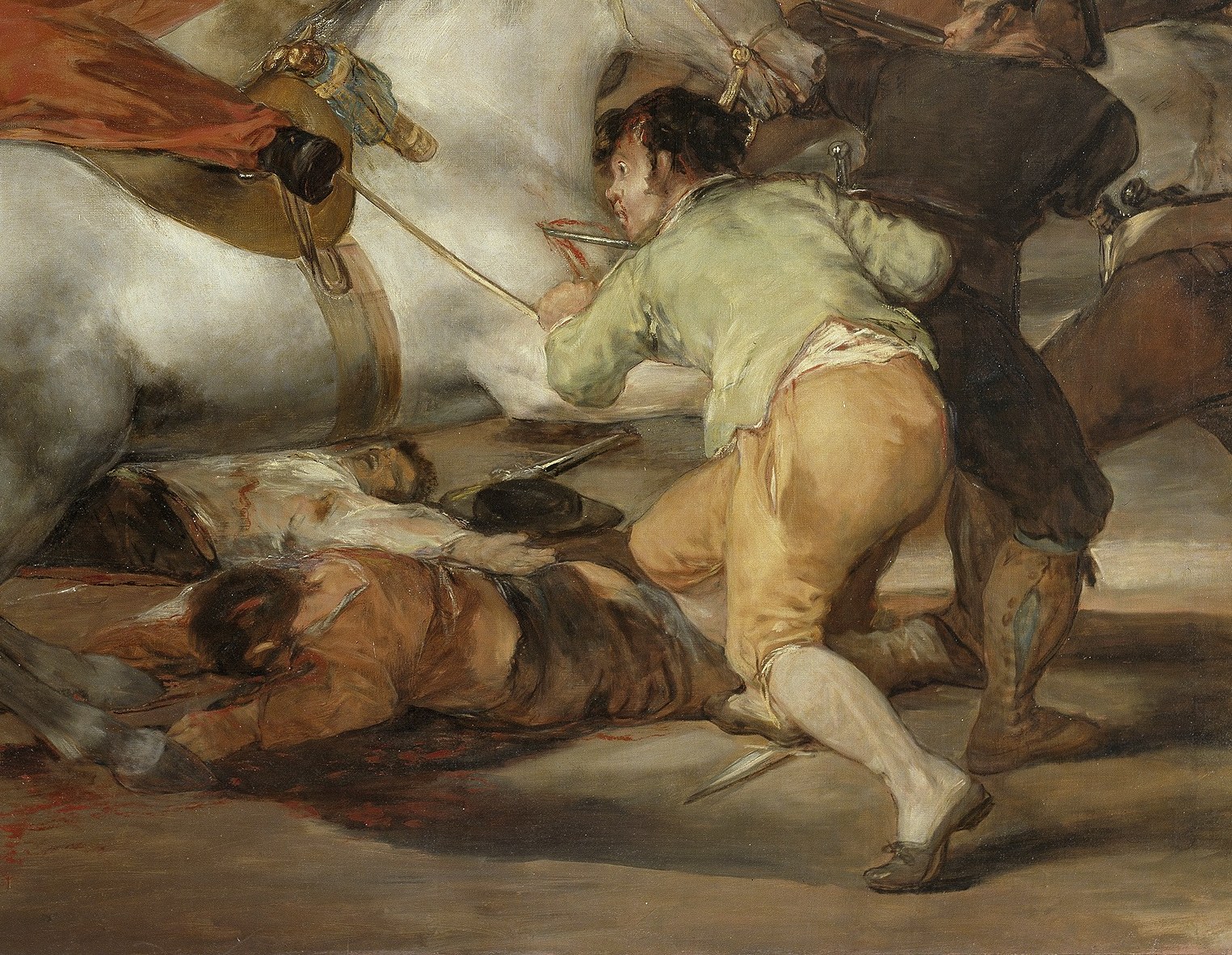
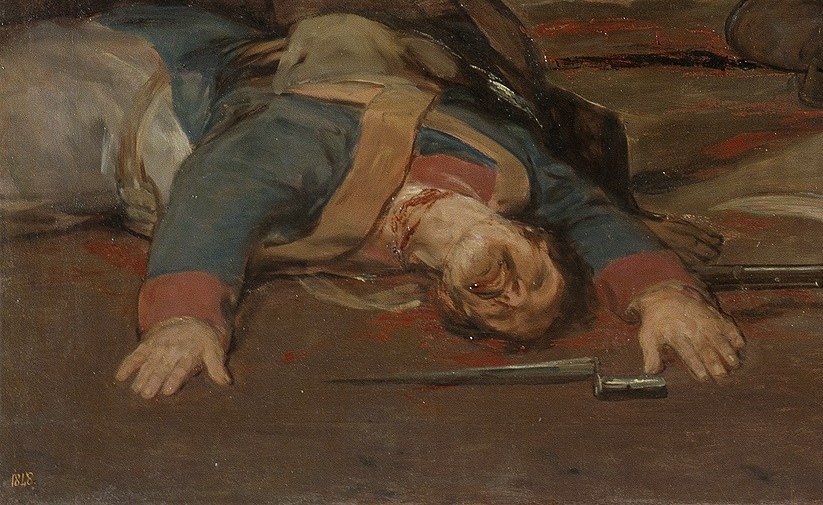
Look closely at the scene, and you'll spot the Mameluke cavalry, elite soldiers serving the French, clashing with Spanish civilians armed with whatever they could find. Goya masterfully conveys the brutal hand-to-hand combat and the widespread nature of the revolt.
Commissioned years after the events, Goya created this painting as a powerful testament to the courage of the Spanish people. It serves as a visual companion to his equally famous "The Third of May 1808," both commemorating the fight for Spanish independence and influencing generations of artists.
What details in the painting most vividly tell the story of this fierce struggle?
Details
Transcript
In 1808, Madrid rose up against French occupation. This painter created this scene to honor the resistance. Look closely at the men on horseback. They are Mamelukes. These elite cavalrymen served in the French army. Now see the Spanish civilians fighting back with knives. In the chaos, one figure is about to strike.