The Monkey Painter by David Teniers the Younger
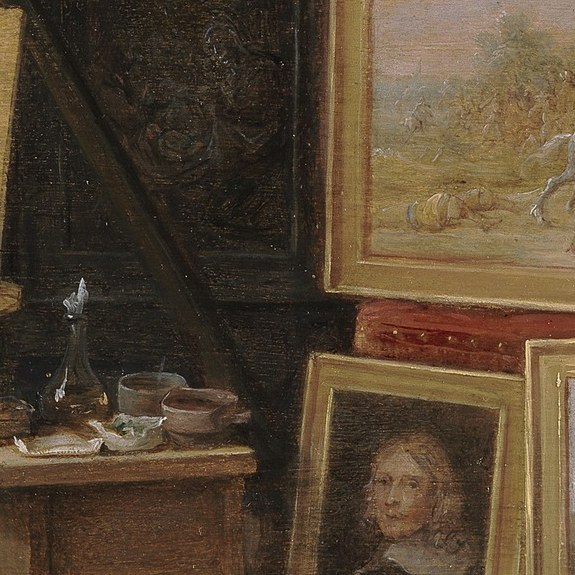
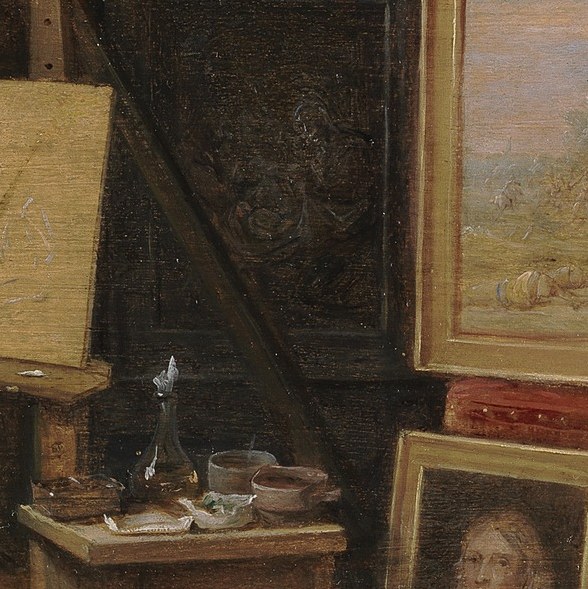
David Teniers the Younger's *The Monkey Painter* (1660) at the Museo del Prado depicts a monkey in human clothes painting a landscape. This work is a prime example of "singerie," a genre where monkeys mimic human activities, often with a satirical edge.
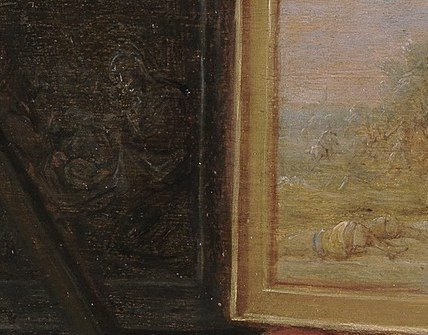
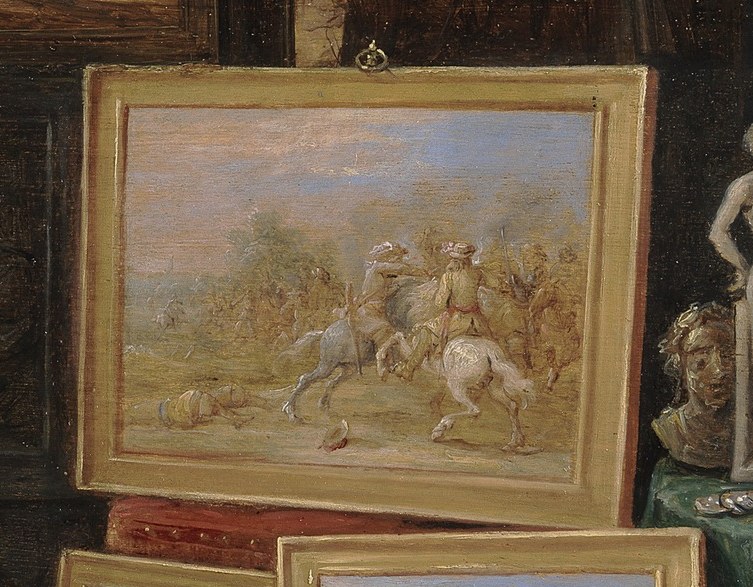
Look at the monkey in the red cloak, observing the artist. The canvas shows a landscape with figures, and a classical nude sculpture stands nearby, creating a studio scene filled with artistic activity.
Teniers was known for his genre scenes and his prolific output across many subjects. This painting, created in 1660, uses the monkey motif to comment on artistic practice and human pretensions with a playful, whimsical tone.
This work is not just a humorous scene, but a subtle commentary on the art world of its time.
Details
Transcript
A monkey pretends to be a painter. His audience wears a red cloak and hat. He paints a landscape with figures. Singerie: monkeys mimicking human activities. A nude sculpture watches the scene. Teniers painted this in 1660. He satirized artistic practice and pretension.