Self-Portrait Dedicated to Carrière by Gauguin, Paul
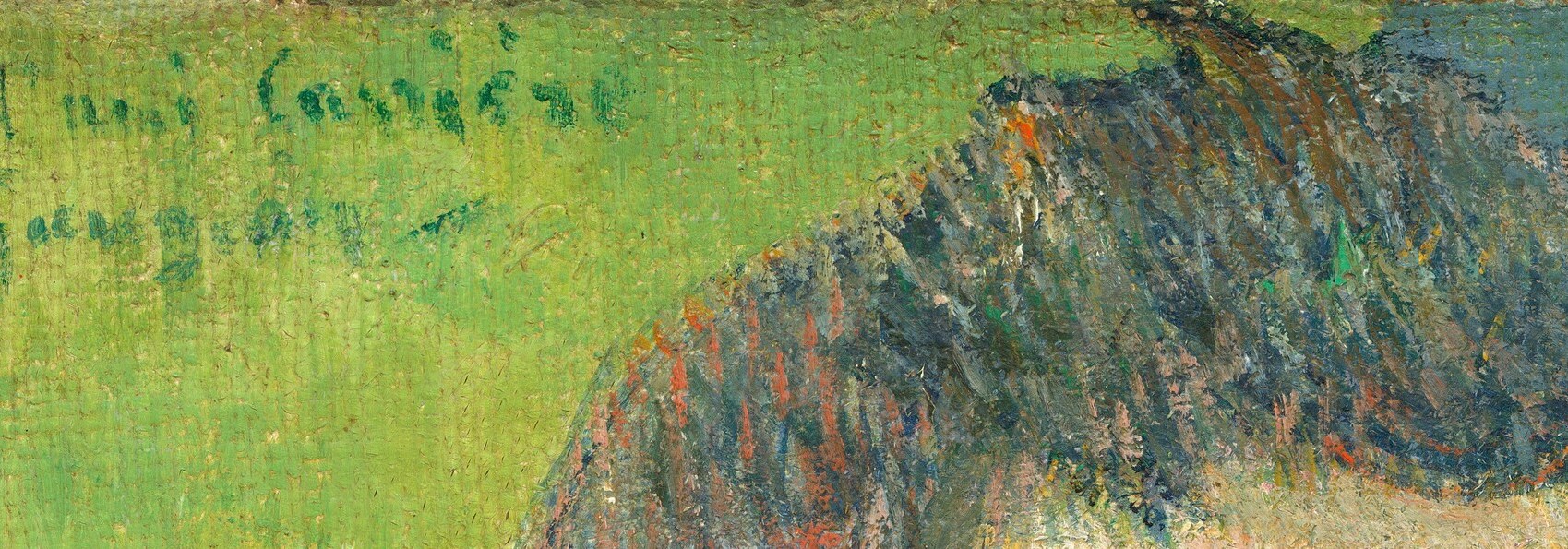
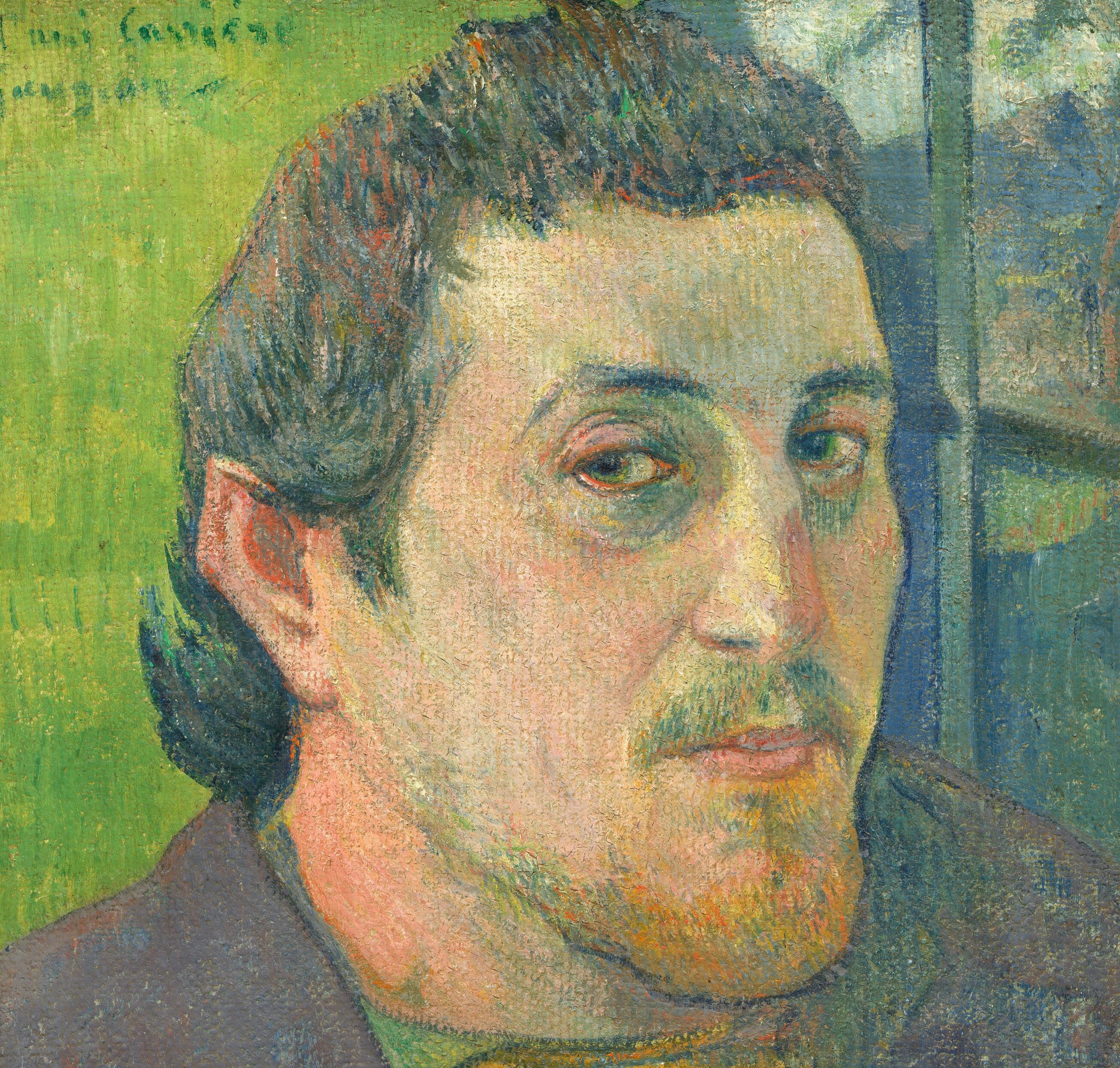
Paul Gauguin's "Self-Portrait Dedicated to Carrière," painted in 1888, is a powerful declaration of his revolutionary artistic vision. This oil-on-canvas work, held in a private collection, showcases his bold departure from conventional art.
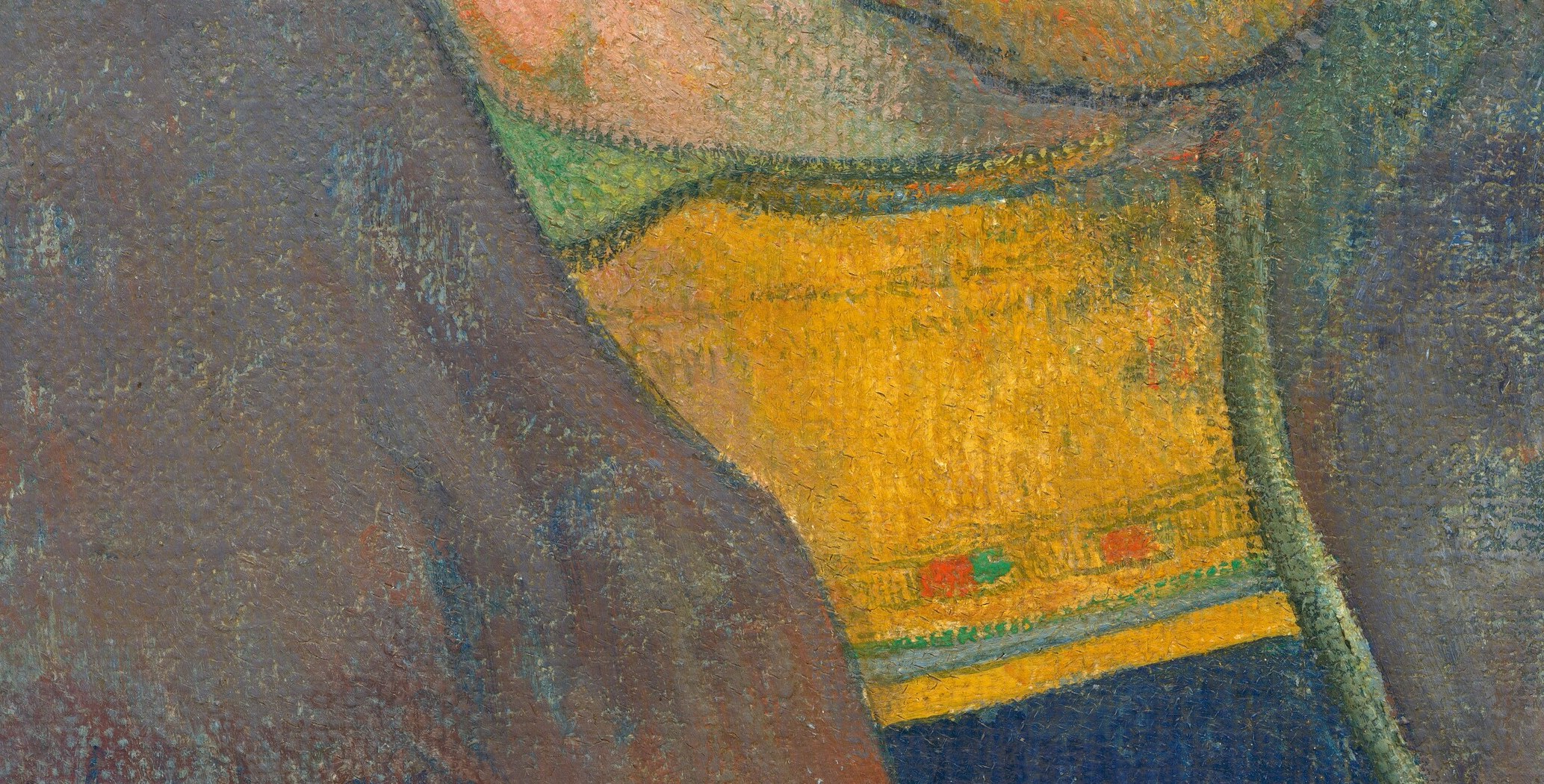
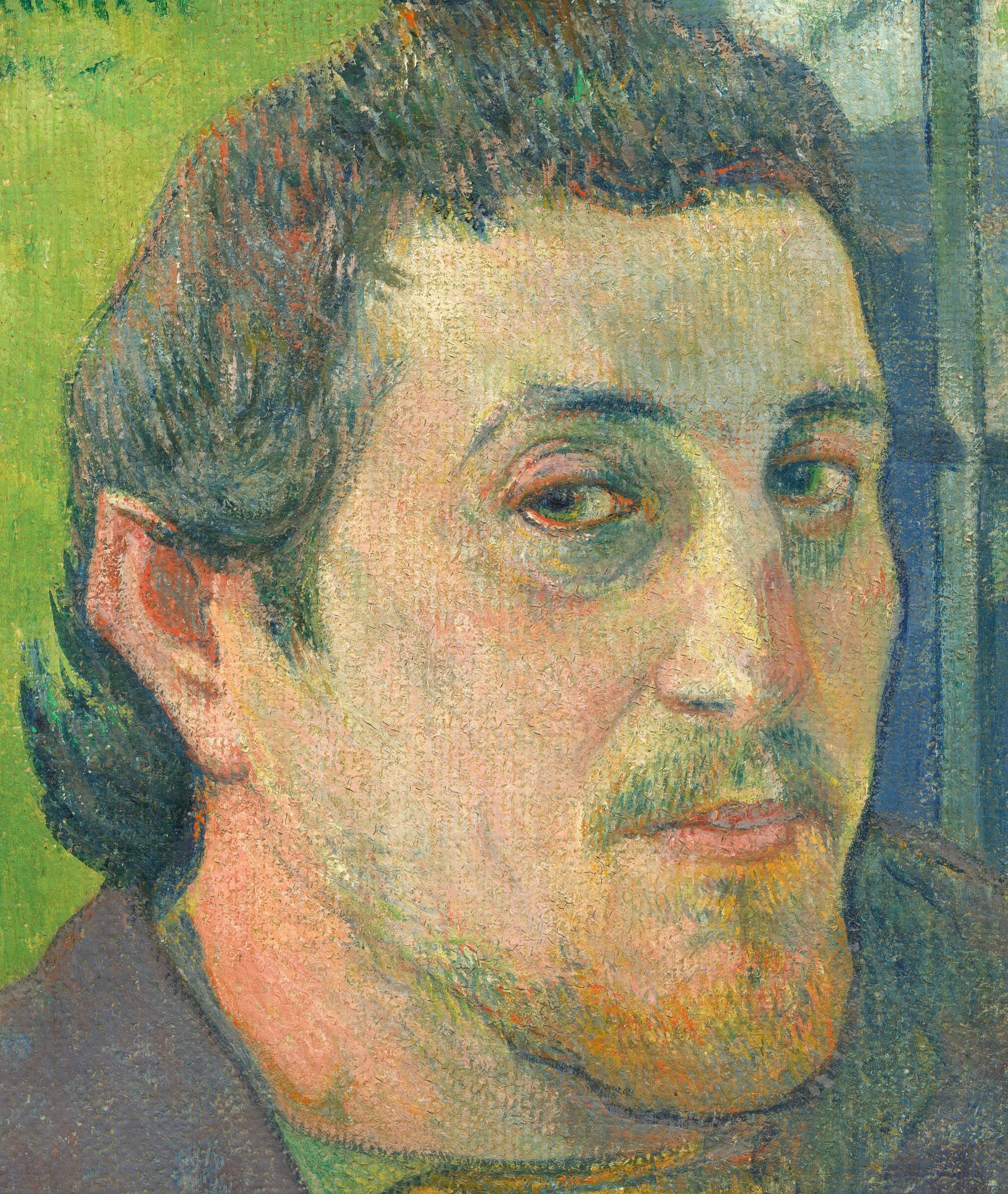
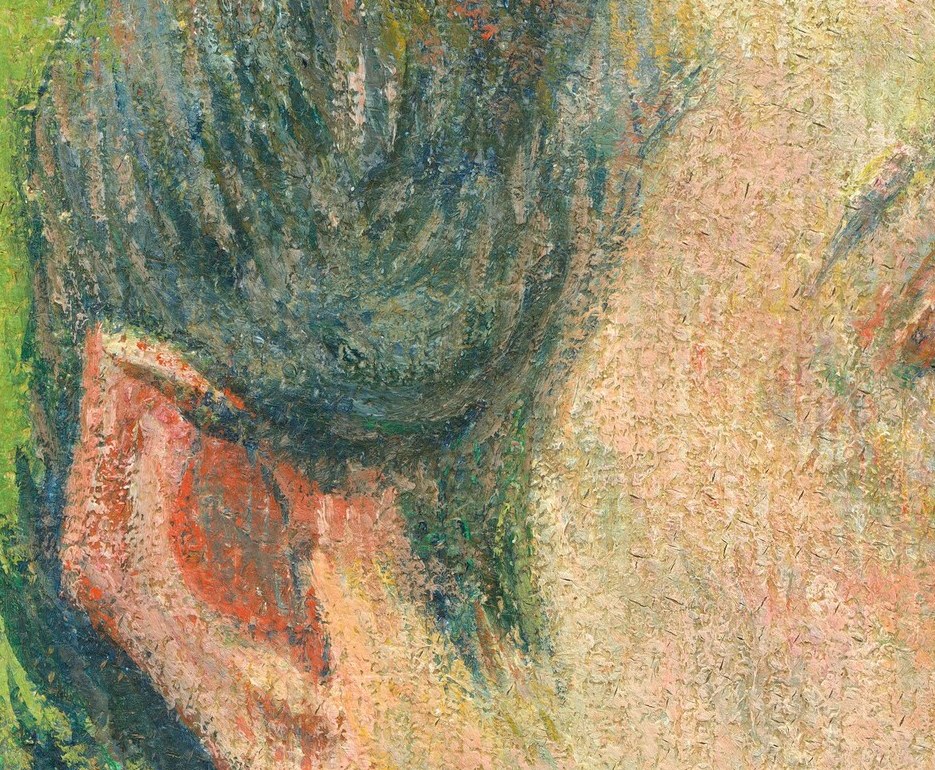
Look closely at Gauguin's face and the vibrant yellow collar. These elements are not meant to be realistic but rather evoke emotion and symbol, a style he called 'Synthetism.' The flat, greenish background further emphasizes this break from traditional three-dimensional space.
Gauguin, a key figure in Post-Impressionism and Symbolism, often explored personal identity and emotional states in his work. This painting, dedicated to his fellow Symbolist painter Eugène Carrière, marked a pivotal shift in modern art, influencing generations to come.
What do you notice about his expression?
Details
Transcript
This painter was a rebel, breaking from tradition. He dedicated this self-portrait to his friend, artist Eugène Carrière. His use of flat colors and simplified forms was called 'Synthetism'. Notice the intense yellow collar, a jolt of pure symbolic color. His face, too, uses bold planes, not soft realism. He moved beyond Impressionism, toward emotional, symbolic art.