The Monet Family in Their Garden at Argenteuil by Édouard Manet
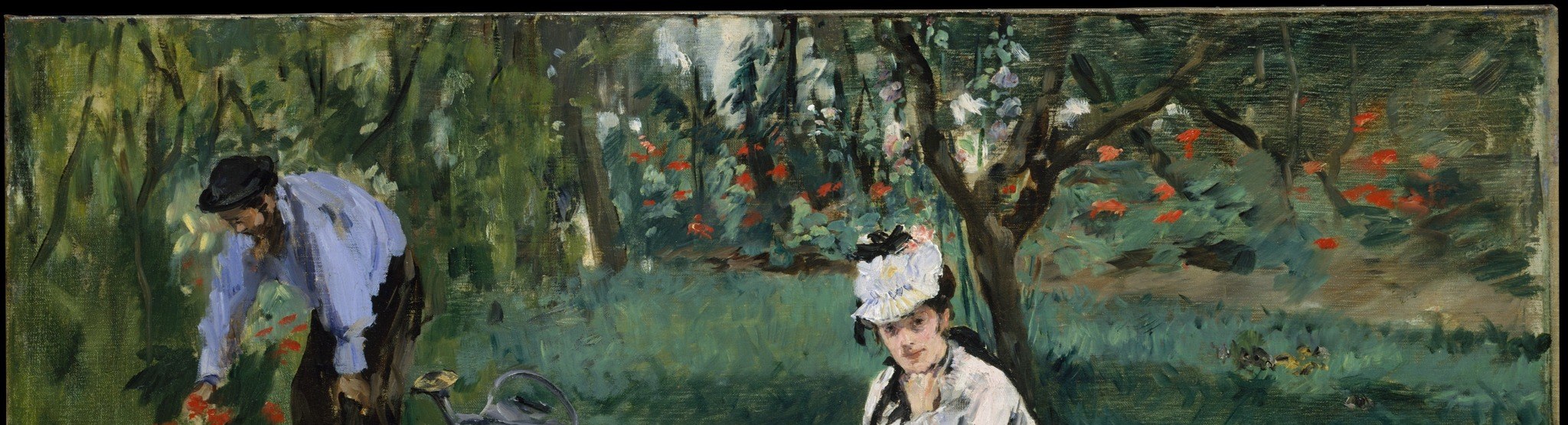
Édouard Manet's 1874 painting, The Monet Family in Their Garden at Argenteuil, is a portrait and a coded map of artistic identity, hanging at The Metropolitan Museum of Art.
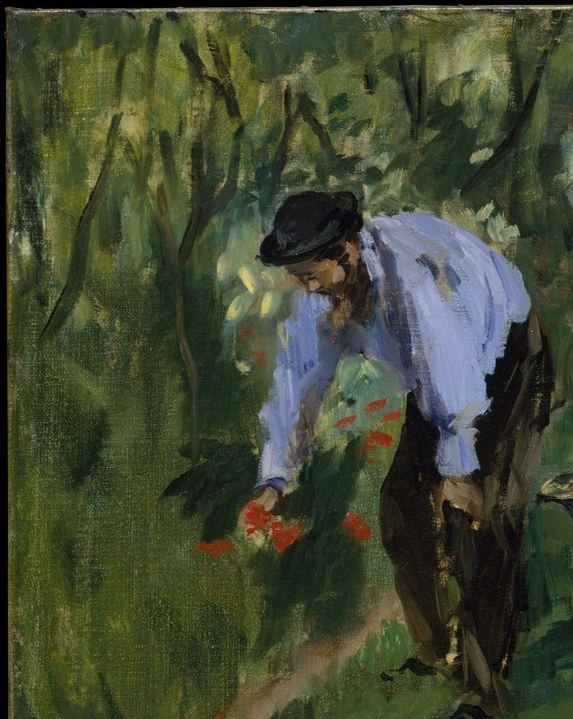
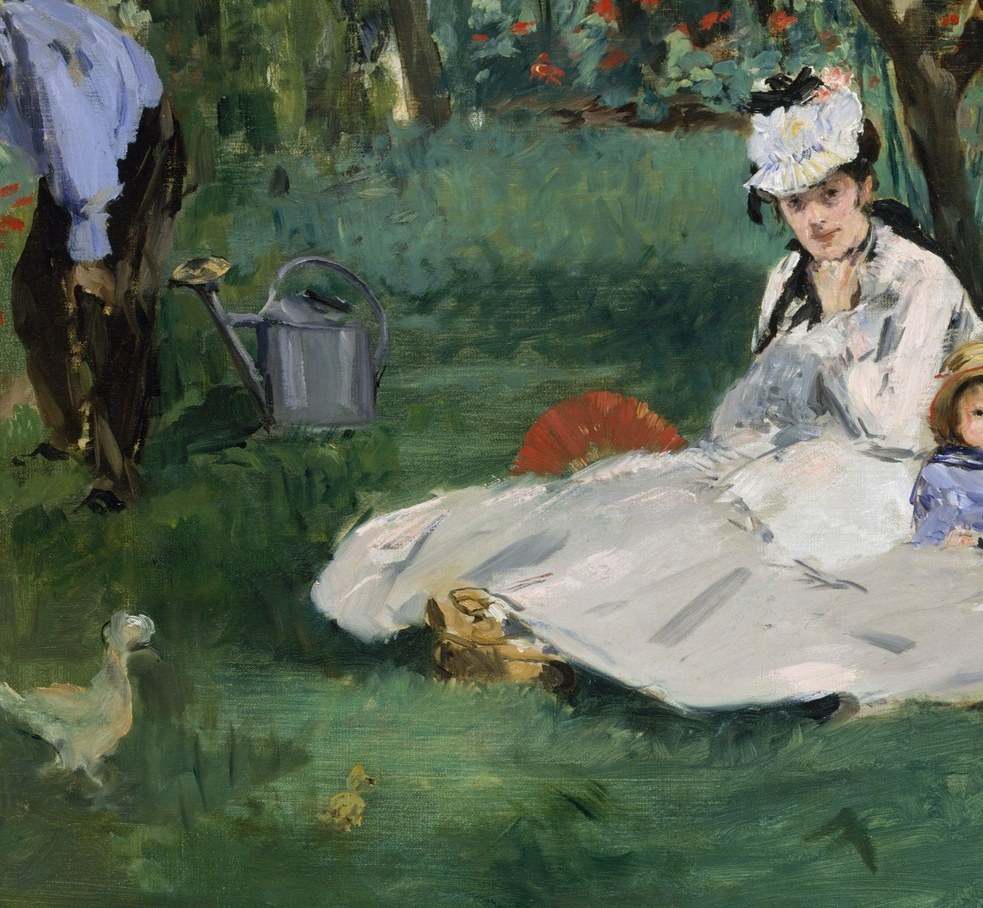
Look at the division of roles. In the back, Claude Monet, the master of Impressionism, is cast as a gardener tending his plot, a worker, not a guest. In the foreground, his wife Camille is a vision of bourgeois leisure, her white dress painted with a few astonishingly fast strokes. Her plumed hat and reclining son signal a world untouched by the garden's labour.
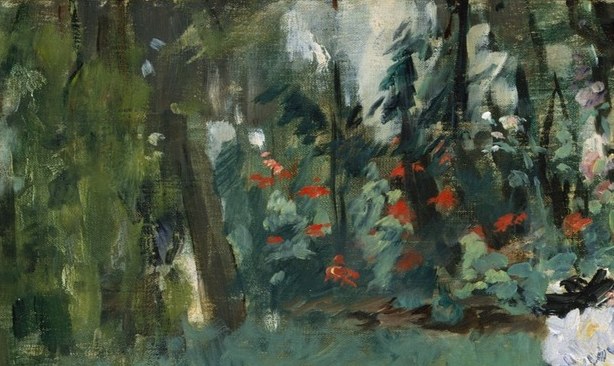
The backdrop is its own message. The dense, loose wall of greenery is painted in a manner closer to Monet's own technique than Manet's usual style. Standing in his friend's garden, Manet experiments with the very plein-air approach Monet championed, creating a quiet visual dialogue between the two painters.
What you are seeing is a social and artistic map of a single afternoon: labour, leisure, and a shared language of light, all stated plainly on one canvas.
Details
Transcript
1874. Manet visits his friend Monet at home. He paints the family in the garden. Look at Claude, in the back. Manet frames the master of Impressionism as a gardener. A labourer. Now Camille, in front. White dress, plumed hat. She is leisure itself, painted with astonishing economy. Behind her, a flat wall of green. This is Monet's own painting technique. Manet maps their whole world. Work in the back, leisure in the front, and the light that binds them.