Three Minatarree Indians by Catlin, George
Painted in 1861 by George Catlin, "Three Minatarree Indians" at the Smithsonian American Art Museum is part of a monumental effort by a lawyer-turned-artist to document Native American life.
Catlin, originally a lawyer, pivoted to art with a mission: to create a visual record of Indigenous peoples before their societies were irrevocably altered by westward expansion. This painting, depicting three members of the Minatarree (a subgroup of the Plains peoples), showcases the intricate regalia and unique identities he sought to preserve.
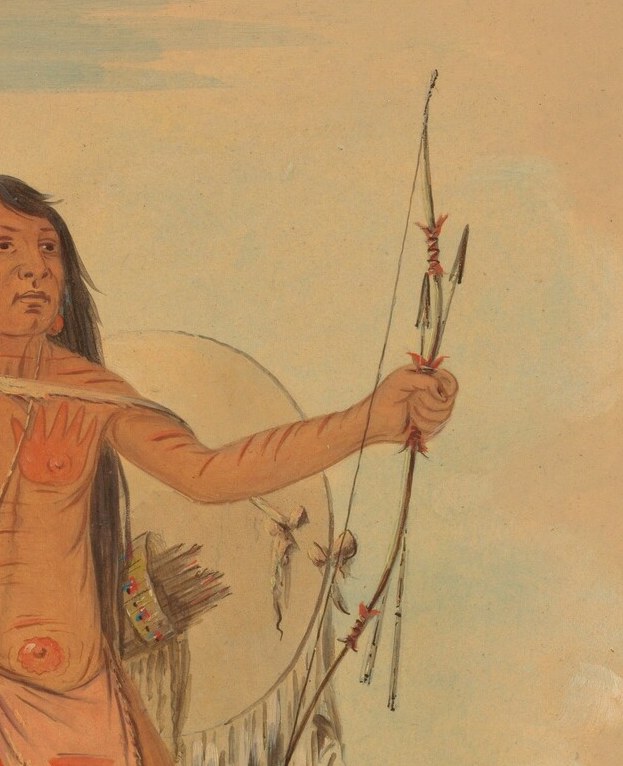
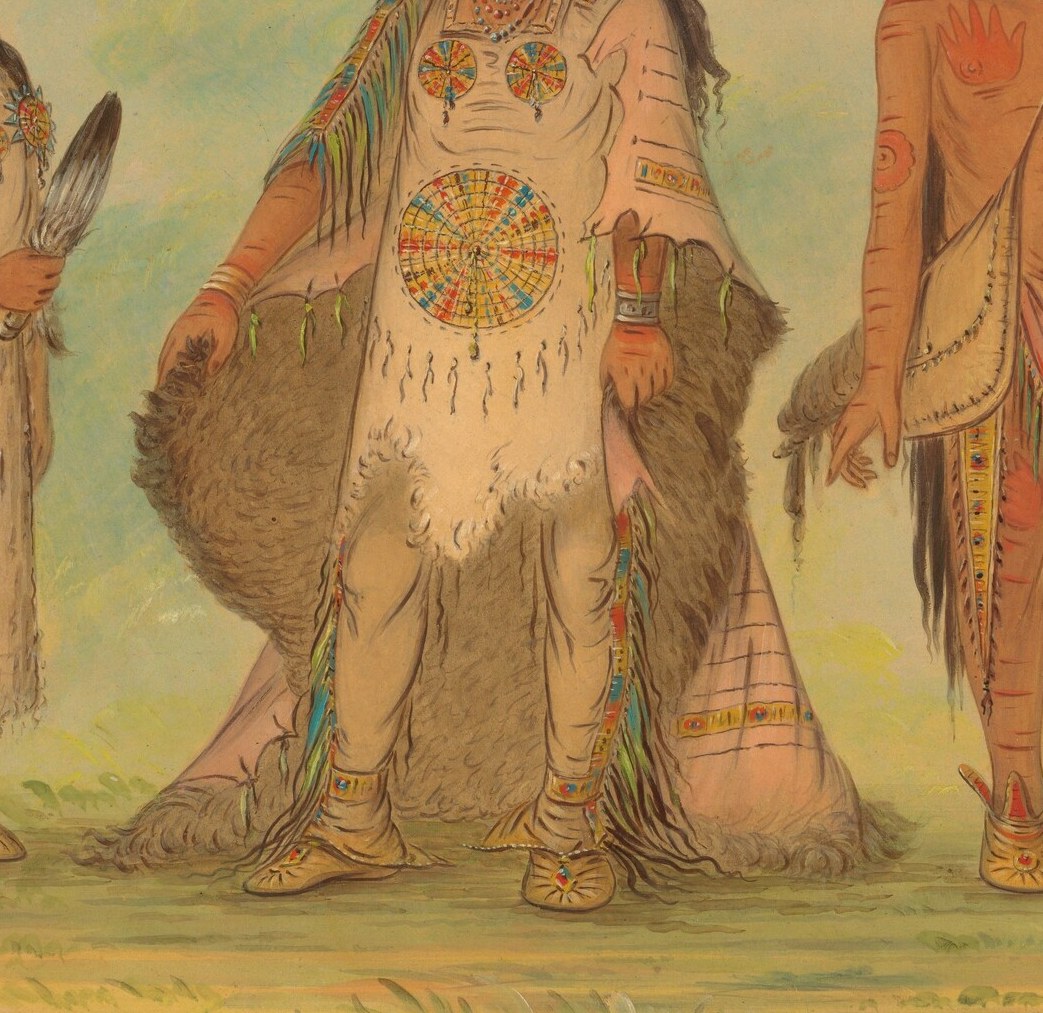
He embarked on five expeditions across the American frontier between 1830 and 1835, producing a vast body of portraiture and ethnographic notes. His detailed brushwork, especially visible in the beadwork and painted chest, highlights cultural markers that might otherwise have been lost to history.
Catlin's dedication ensured that a vital visual legacy of these cultures endured for future generations. What details in their attire capture your attention the most?
Details
Transcript
This painter was a lawyer, not an artist. He became an artist to document Native American life. He painted hundreds of portraits on five frontier expeditions. Look at the red handprints on this man's chest. And this incredibly detailed beaded robe. This work helped preserve their visual record forever.