Man of Sorrows by http://www.wikidata.org/.well-known/genid/39b840a887c36eec385c31043bcb9c21
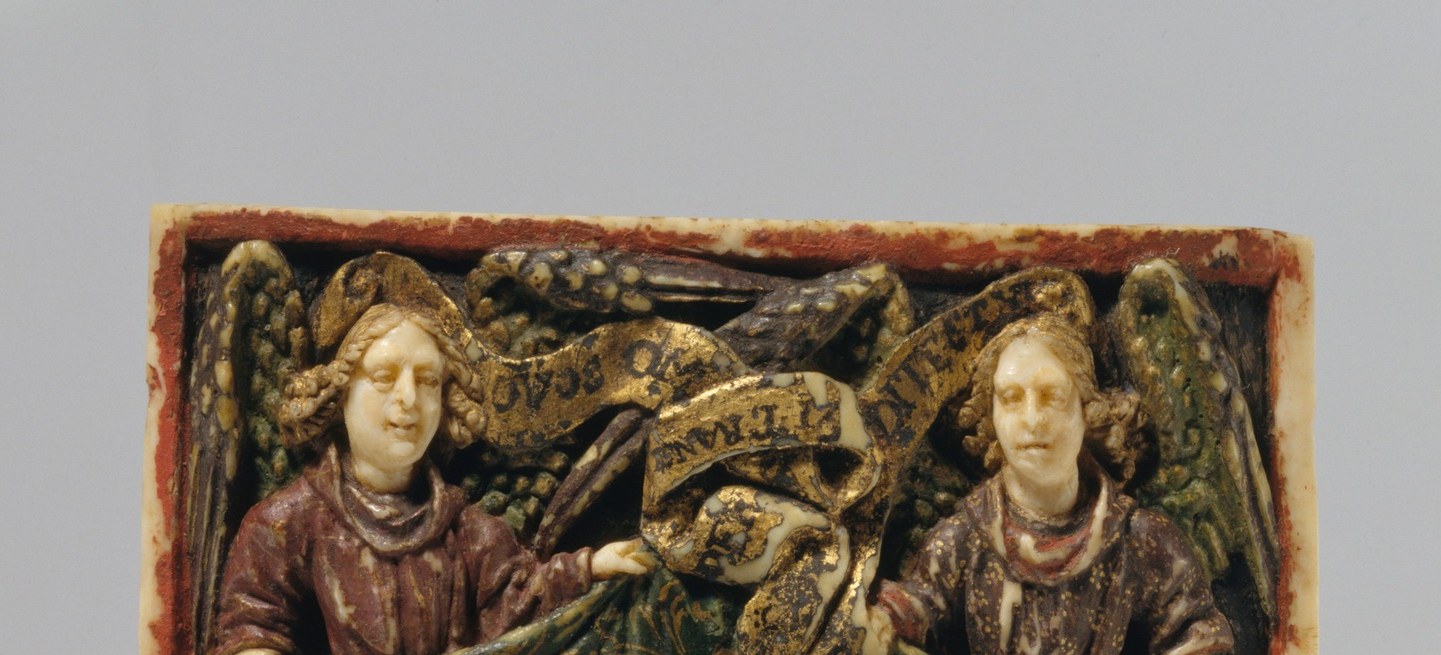
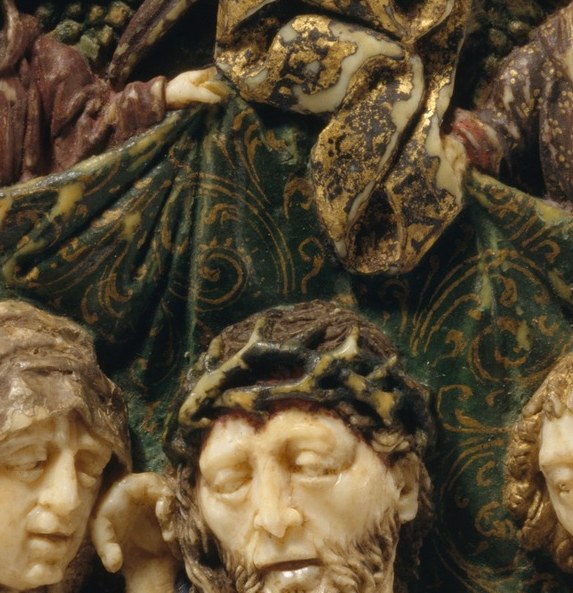
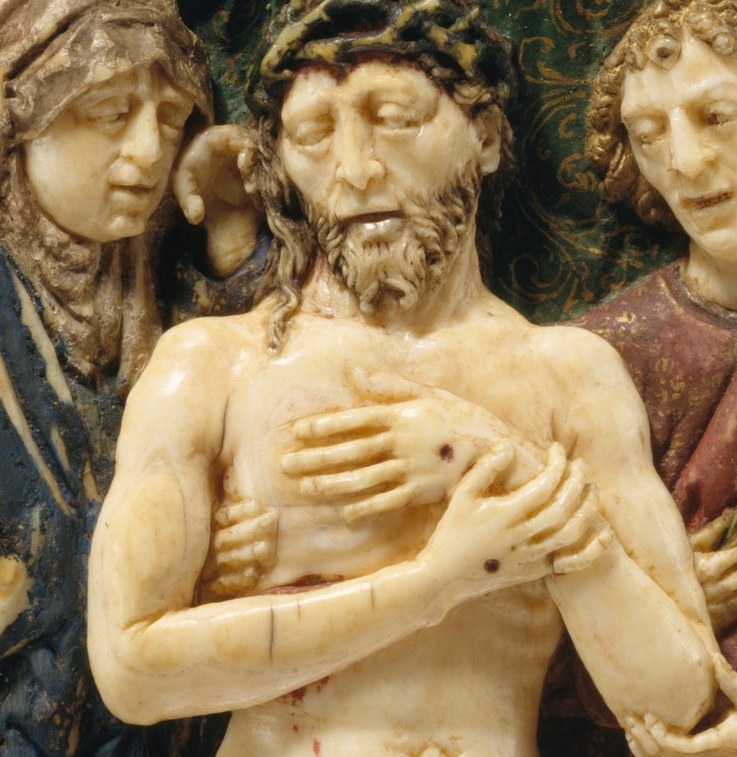
Gerard David's 'Man of Sorrows' (c. 1500) at the Rijksmuseum is an example of understated suffering that, at times, was seen as controversial. Instead of depicting overt wounds, David focuses on Christ's quiet exhaustion after the crucifixion.
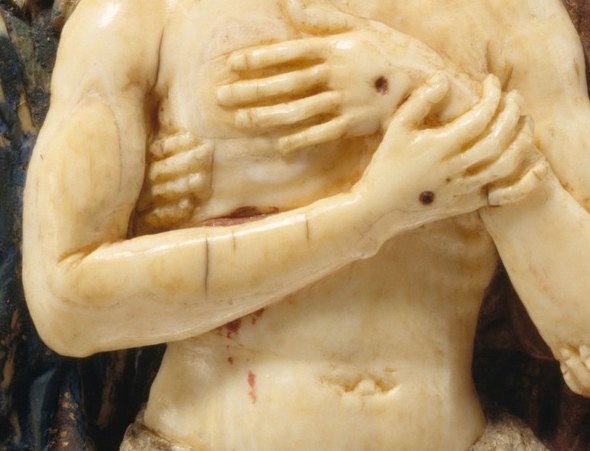
Notice the absence of graphic detail on Christ's bare chest and the gentle clasp of his hands. This deliberate choice by David emphasizes a more internal, human suffering, rather than a physical one.
While his refined style was highly sought after, such subtle portrayals sometimes deviated from expectations for religious imagery, where more dramatic depictions of pain were common. Yet, this approach allows for a deeper, more contemplative connection to the scene.
What do you think of this choice to show suffering with such restraint?
Details
Transcript
This Man of Sorrows captures Christ after the crucifixion. The painter was a master of the Northern Renaissance. But his choices sometimes provoked controversy. Look closely at his bare chest and clasped hands. There are no overt wounds, no graphic suffering shown. This understated suffering was sometimes considered scandalous. Yet it makes his weariness more intimate and human.