Profile Portrait of a Young Man by Florentine 15th Century
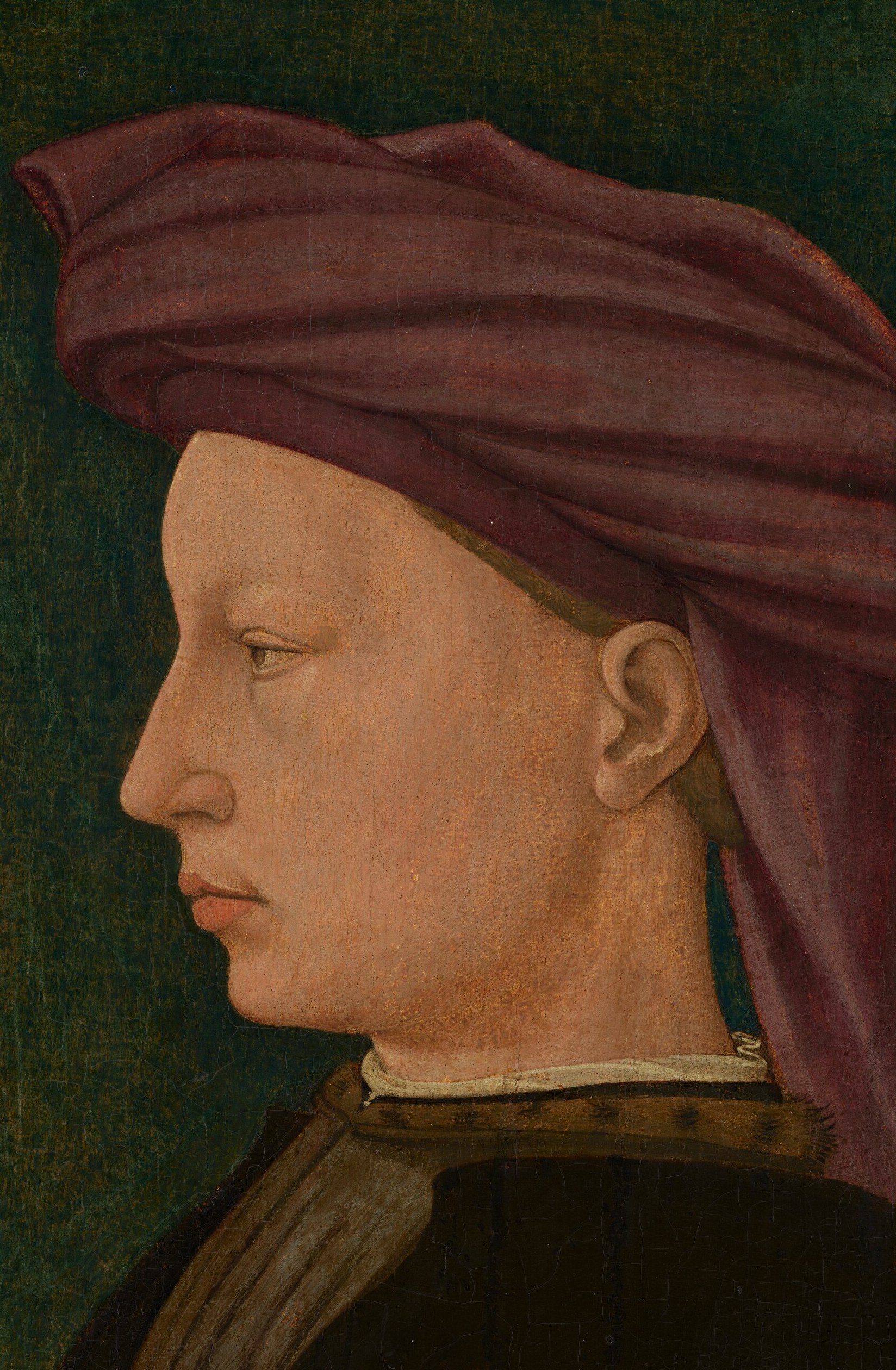
The Profile Portrait of a Young Man, painted between 1430 and 1450 by an unknown Florentine artist, is a remarkable example of tempera painting from the early Renaissance, housed at the National Gallery of Art. The portrait captures a serene, almost glowing quality in the subject's face, a testament to the meticulous technique of the period.
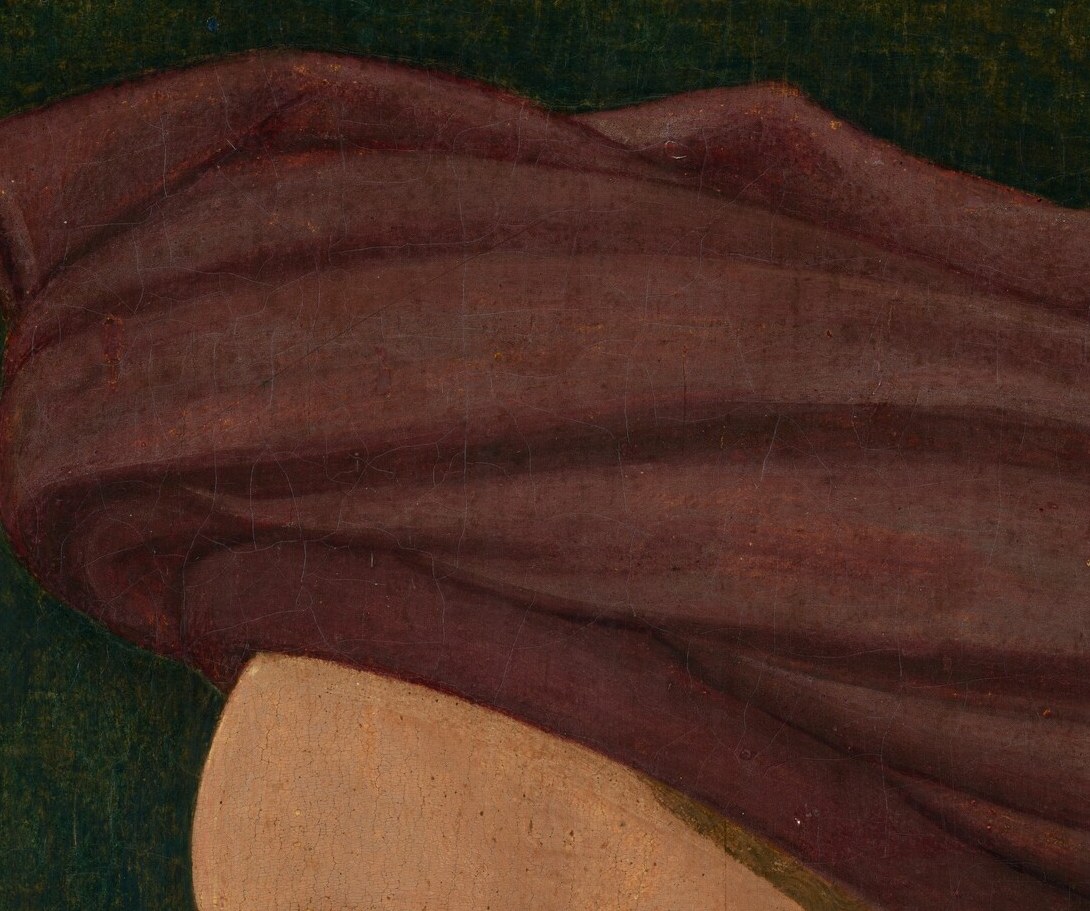
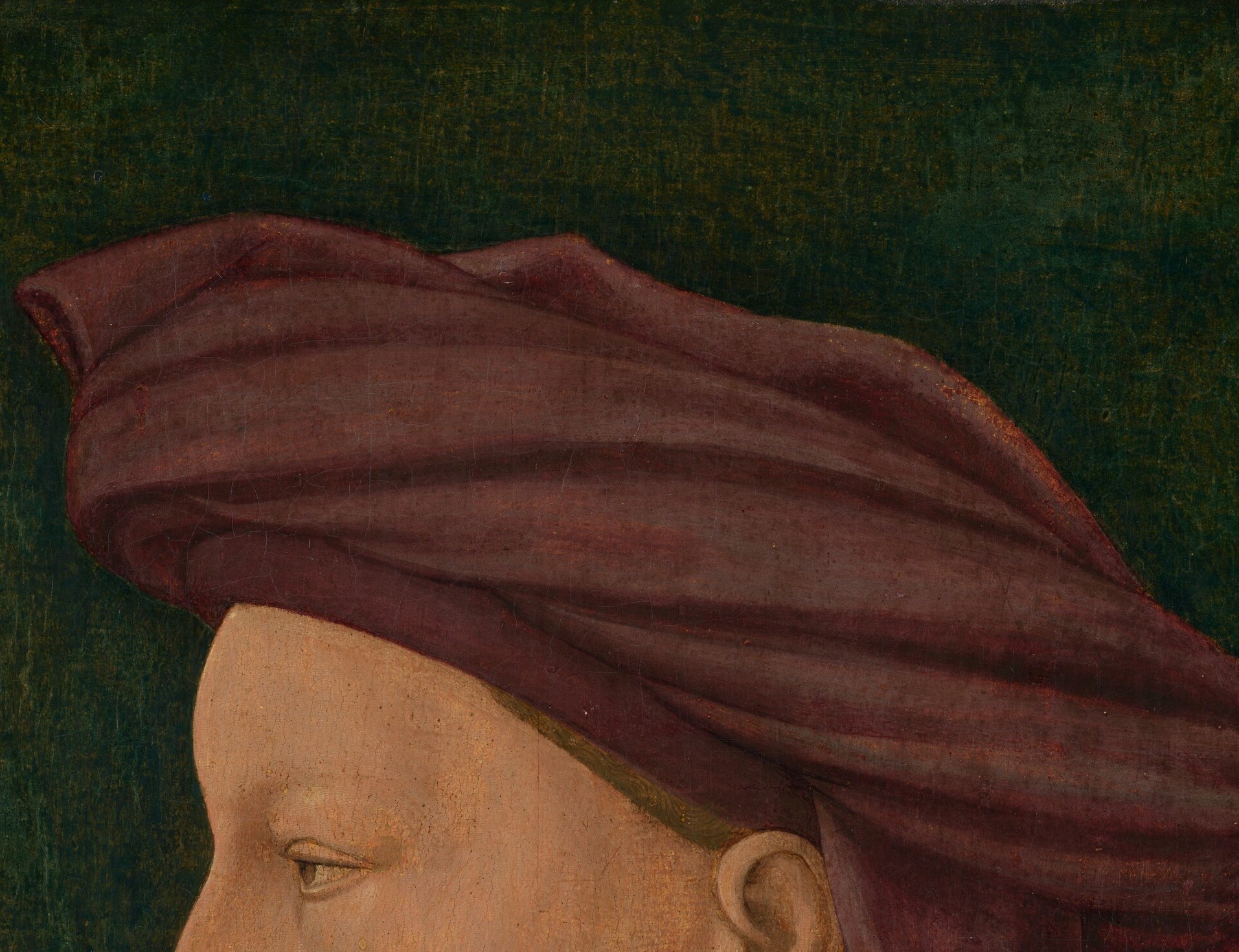
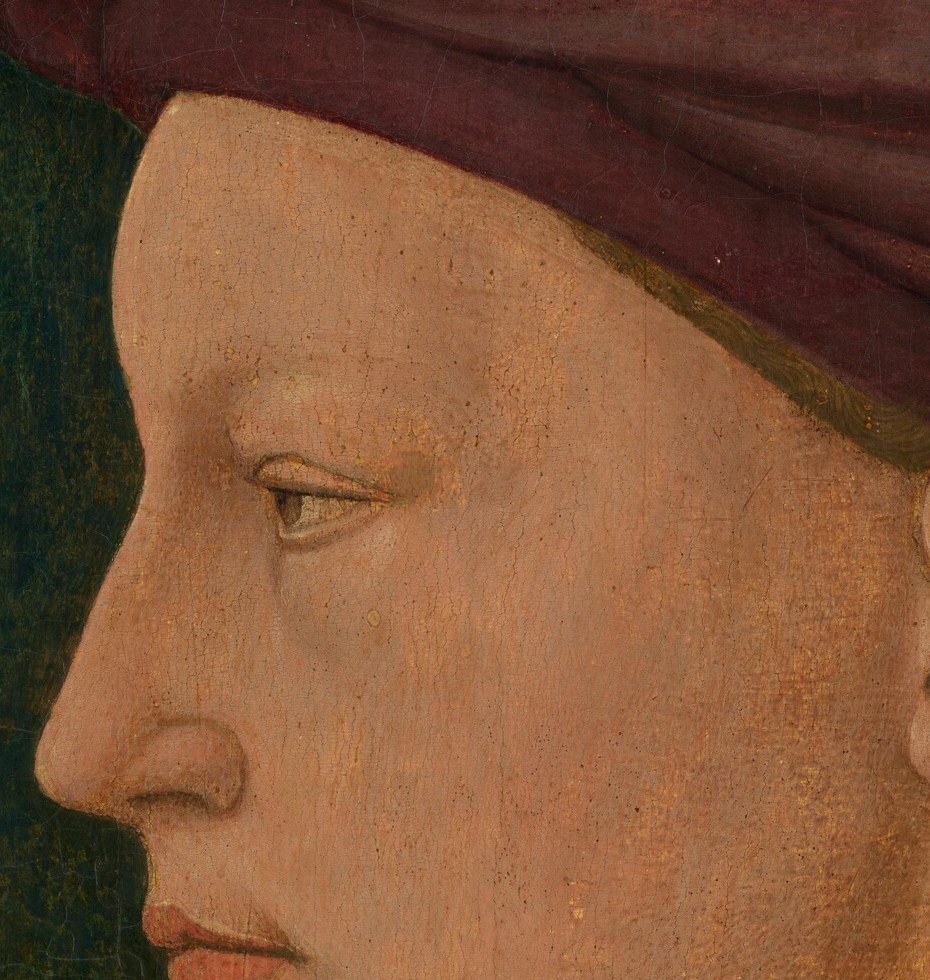
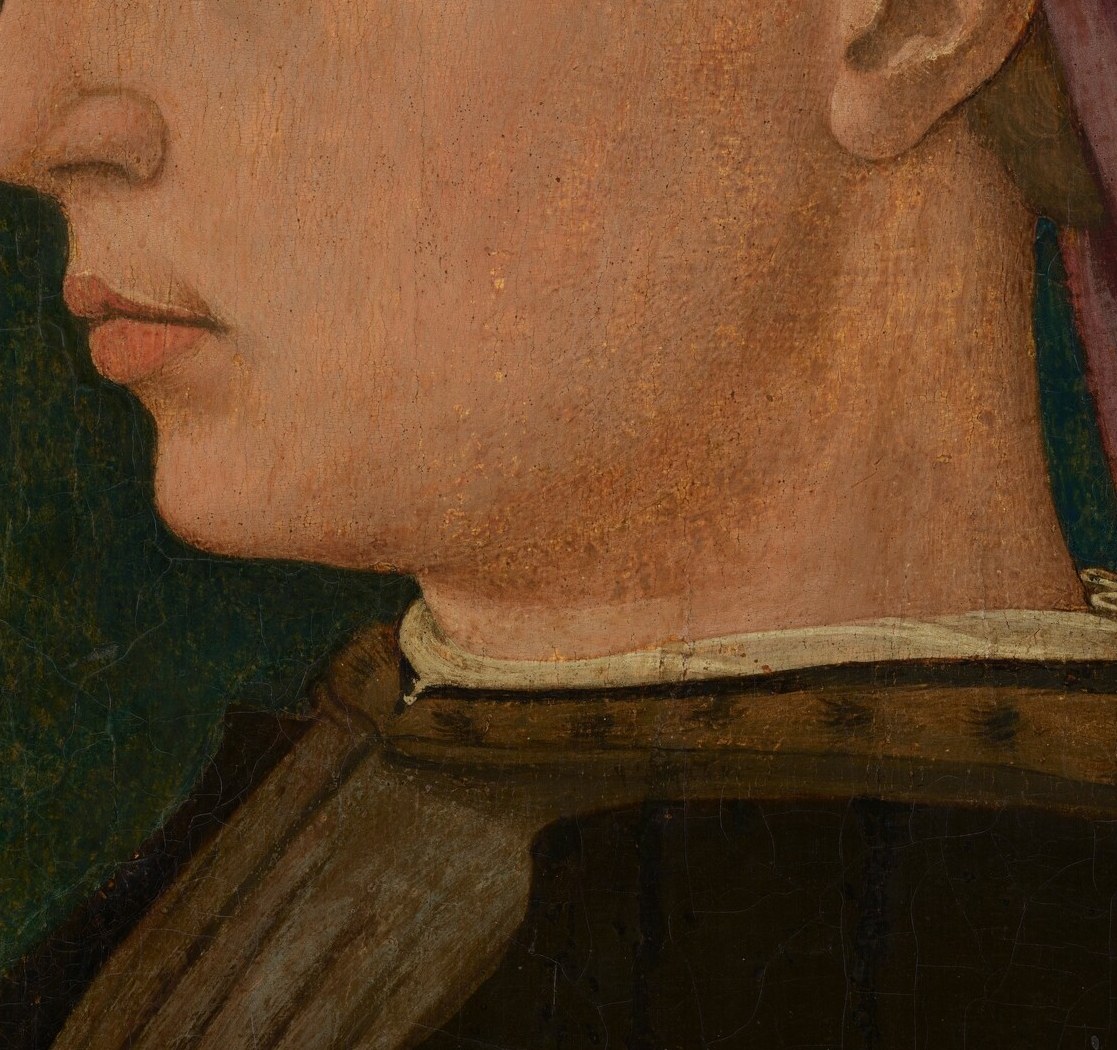
Look closely at the young man's forehead, where the light appears to reflect softly. This luminosity is achieved through the painstaking application of tempera paint. Unlike oil paint, tempera (made from pigments mixed with egg yolk) dries almost instantly, requiring artists to build up tones and shadows with countless fine, dry brushstrokes, a technique called hatching.
This method allowed the artist to create incredible detail and a smooth, almost translucent finish that glows from within. While the identity of both the painter and the sitter remain a mystery, the technical mastery in this portrait offers a captivating glimpse into the artistic innovations of 15th-century Florence.
What other subtle details do you notice in his expression?
Details
Transcript
This young man appears impossibly smooth, almost glowing. It's painted in tempera, a fast-drying medium. Look closely at his forehead, where the skin catches light. The painter built the skin tone with tiny, dry brushstrokes. This meticulous hatching creates the illusion of soft, luminous skin. A glowing effect from powder, egg yolk, and pure patience.