The Overturned Bouquet by Abraham Mignon
Abraham Mignon's "The Overturned Bouquet" from 1670, held at the Rijksmuseum, is more than just a beautiful floral arrangement; it's a commentary on life's delicate balance.
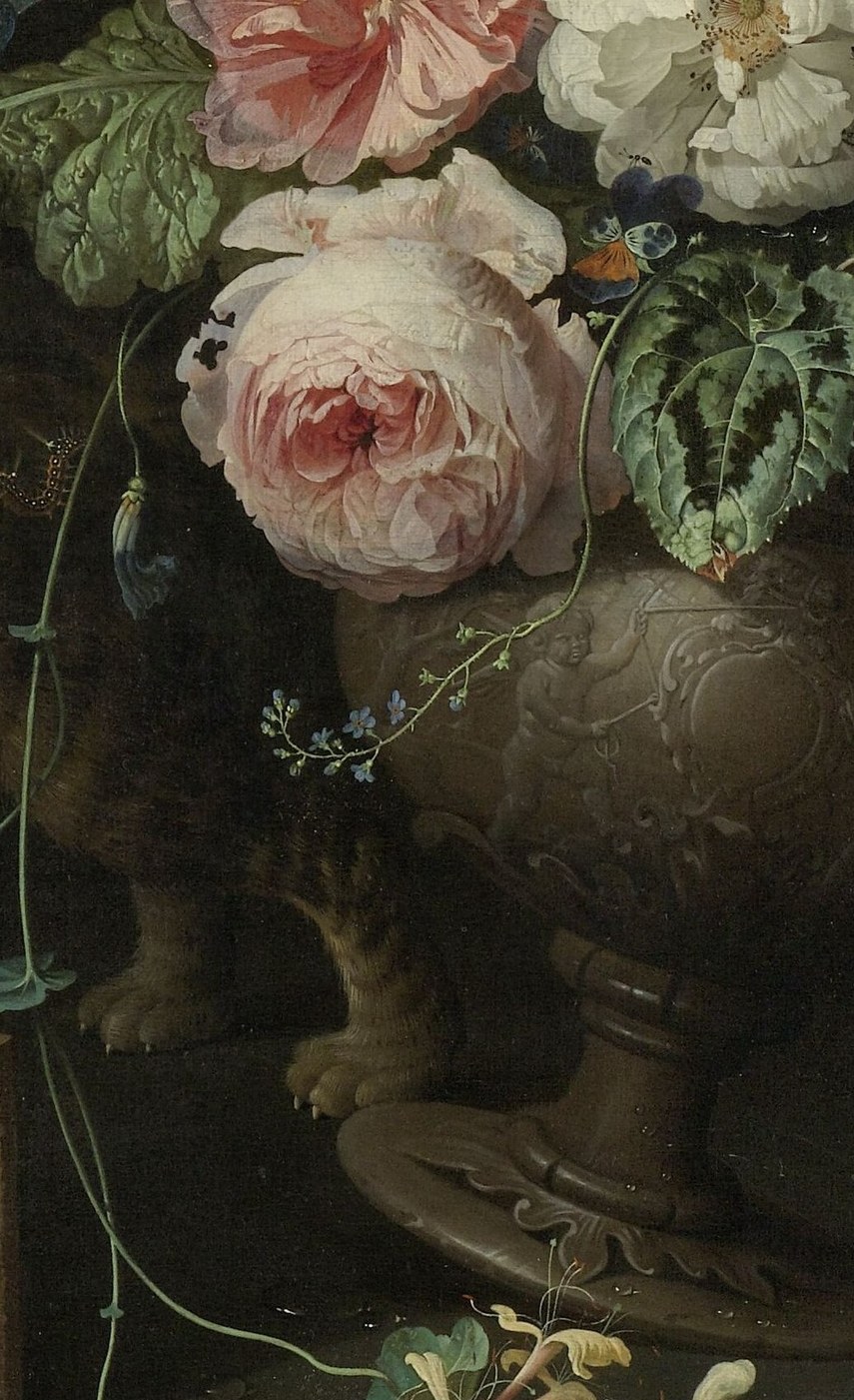
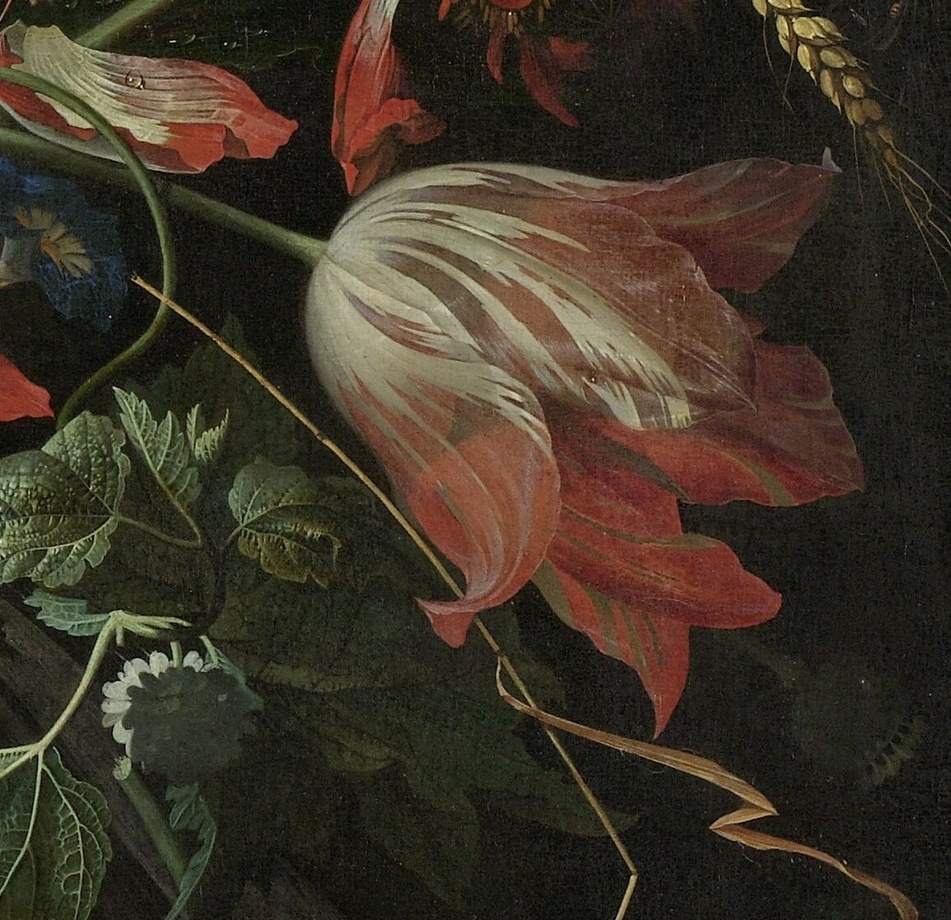
While the vibrant tulips, roses, and irises spill across the canvas, two tiny details offer a deeper meaning. Look for the butterfly, a classic symbol of transformation and the ephemeral nature of life. Its delicate presence is easily overlooked amidst the opulent flowers.
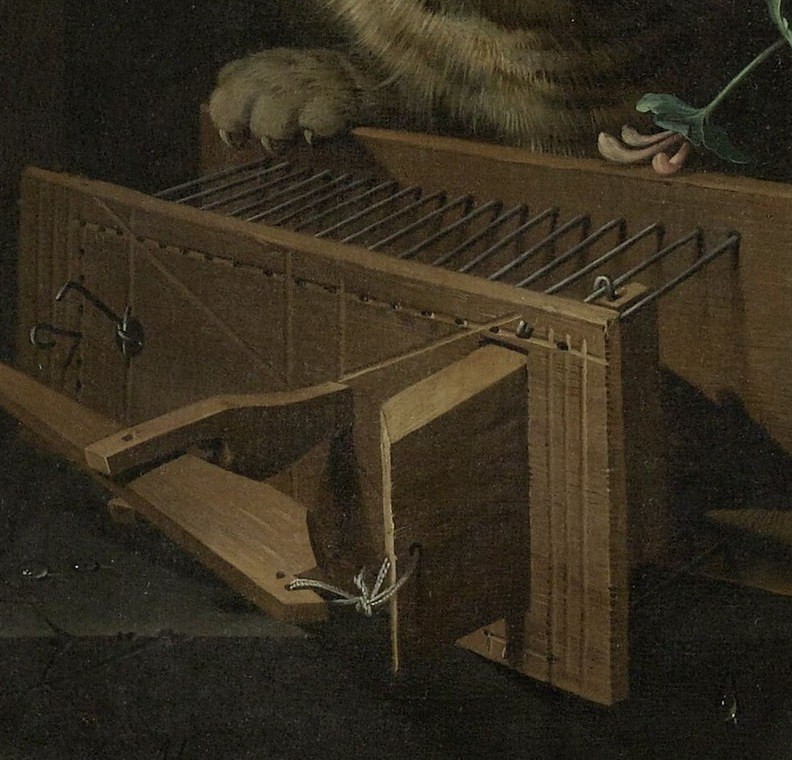
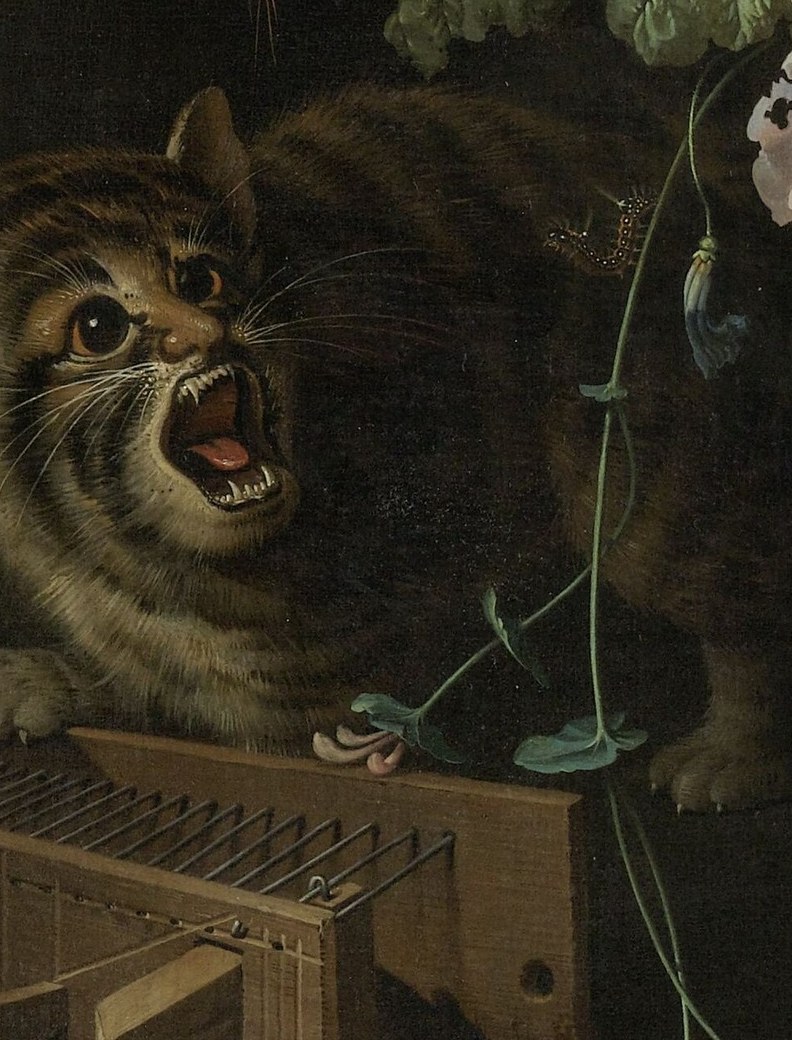
Then, discover the wooden mouse trap, set and ready. This seemingly out-of-place object introduces a stark contrast, reminding viewers of the constant presence of danger and the fleeting beauty of existence. Mignon, a master of Dutch still life, often wove such symbolic elements into his meticulous works, which were highly sought after by collectors.
These hidden details invite us to contemplate the delicate line between vitality and decay, beauty and peril. What other hidden symbols do you see?
Details
Transcript
This painting looks like a beautiful bouquet, overturned. It was painted by Abraham Mignon in 1670, a Dutch still-life master. But look closely at the chaos on the table. Amidst the petals, a delicate butterfly rests. A symbol of transformation and life's fleeting nature. And next to it, a wooden mouse trap, set. A stark reminder of danger and the brevity of existence.