Portrait of a Young Man by Venetian 16th Century
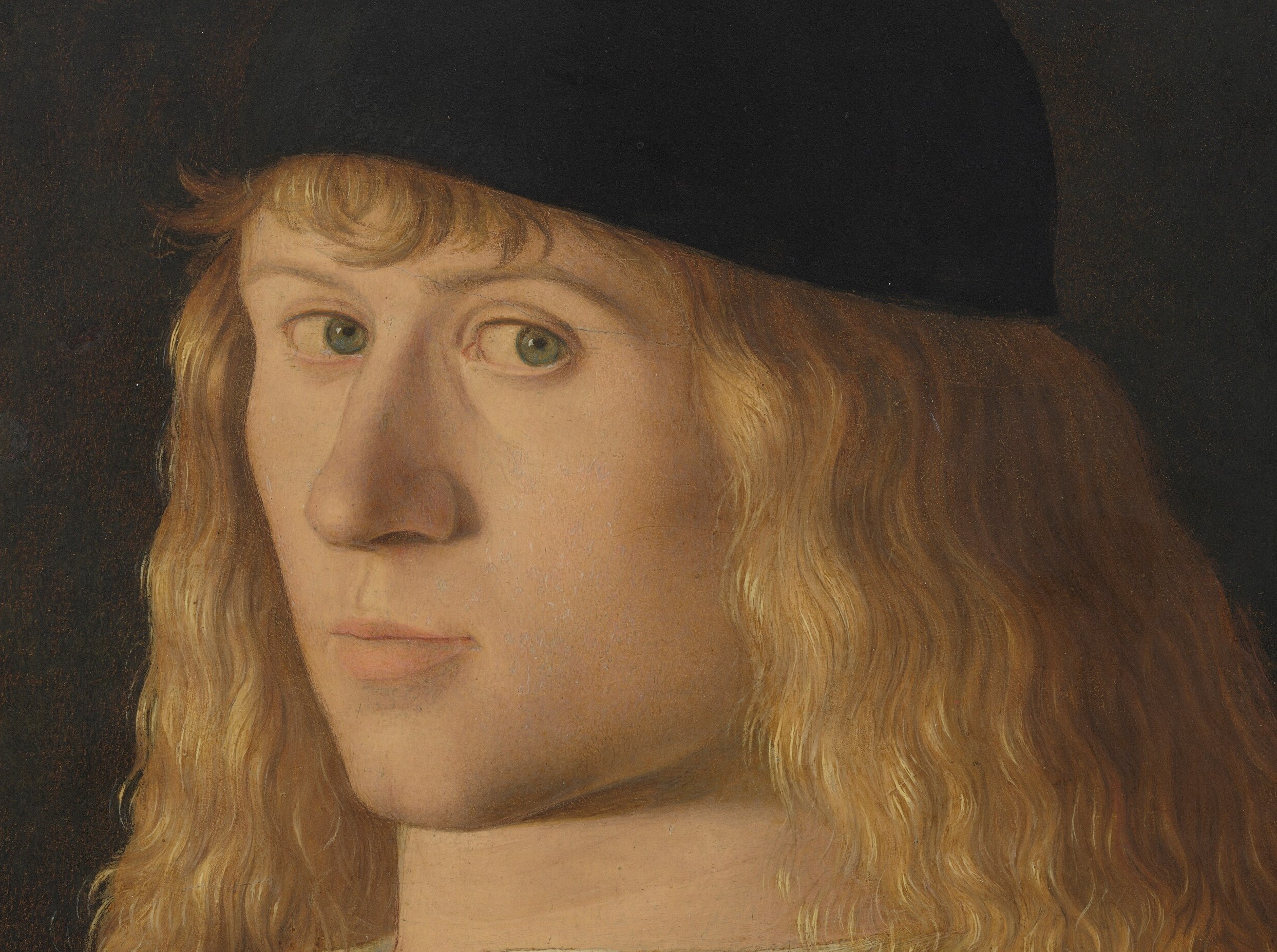
This "Portrait of a Young Man" (c. 1505) by a Venetian 16th Century artist, housed at the museum, is more than just a likeness; it's a visual code. The subtle details of his attire and demeanor reveal much about his status and aspirations in early 16th-century Venice.
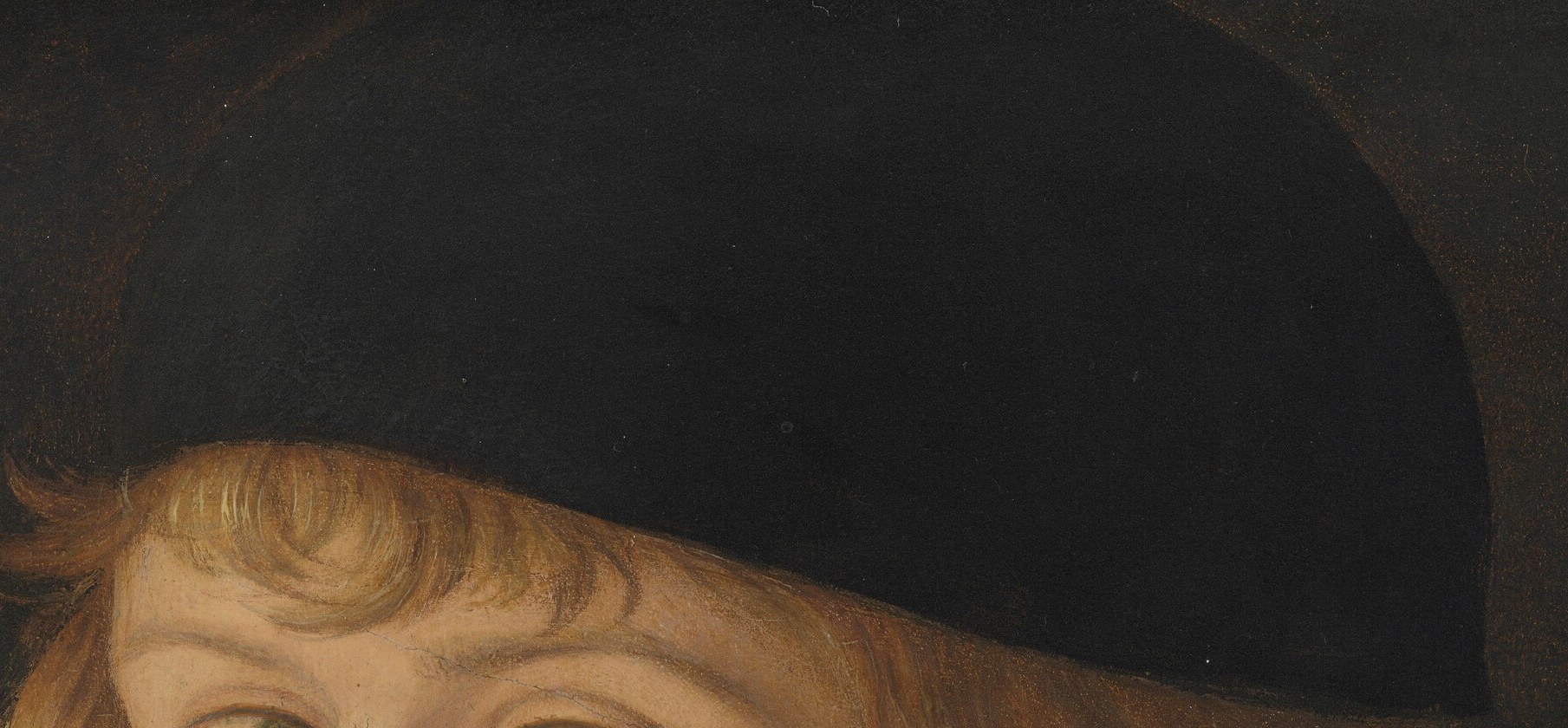
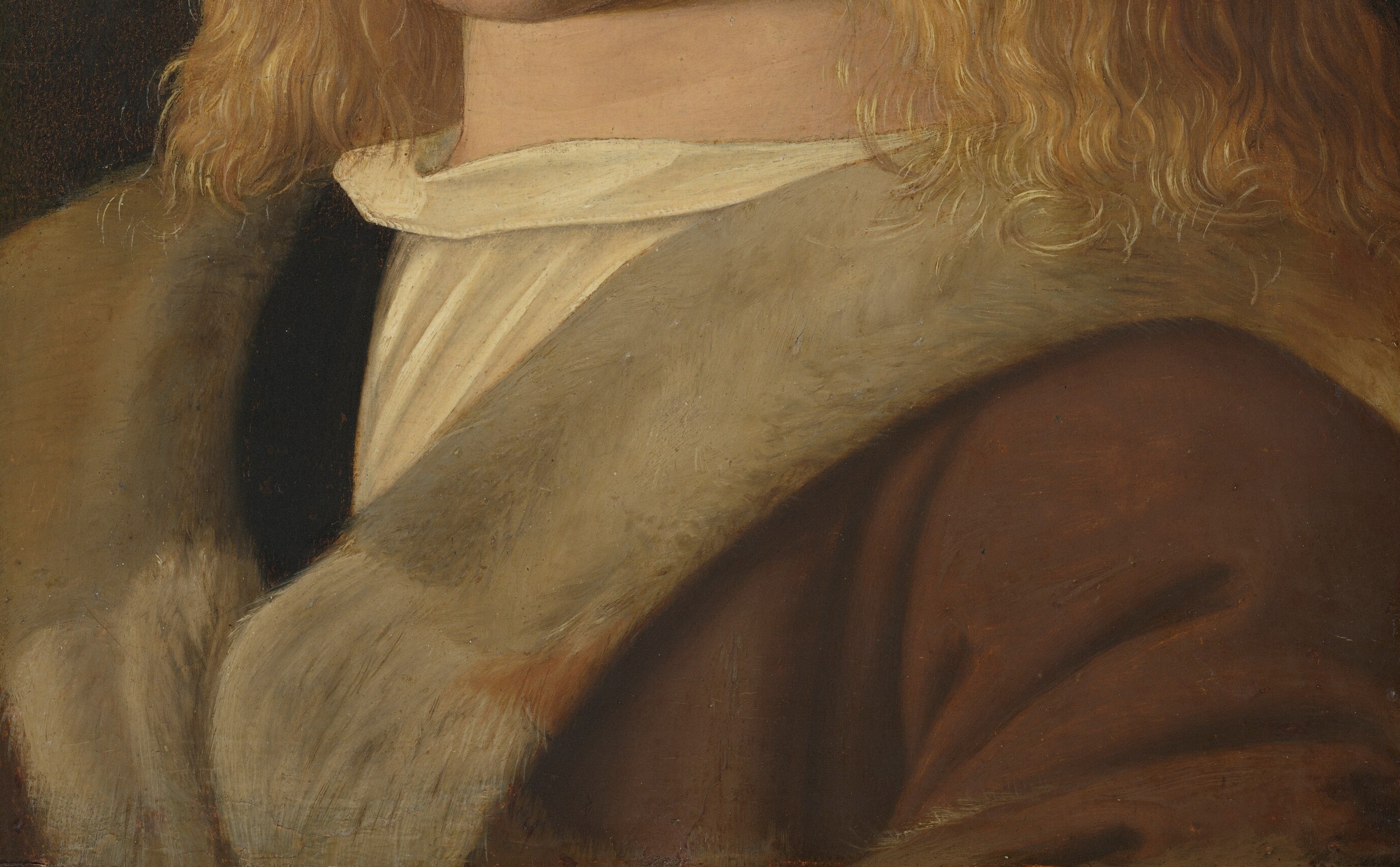
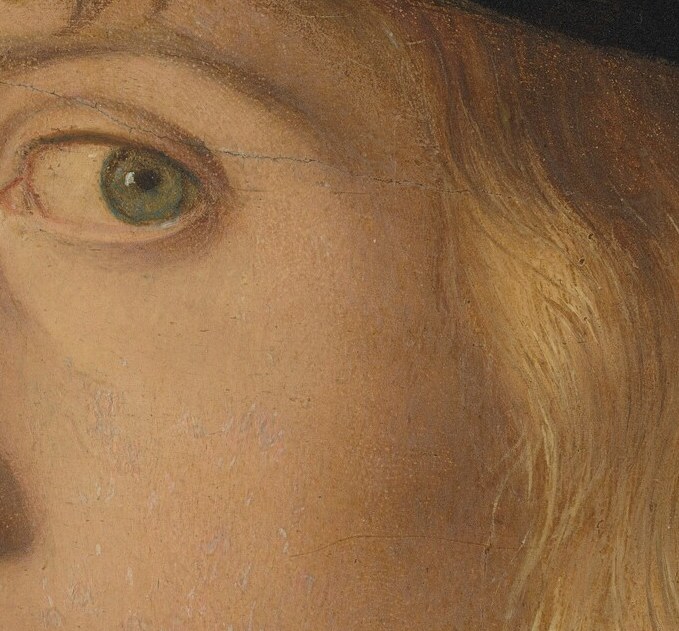
Notice his flat black cap, a common signifier in Venice for unmarried men, and his long, auburn hair, which was fashionable among patrician youth under the age of thirty. His simple dark doublet, while understated, reinforces his status as a member of the nobility.
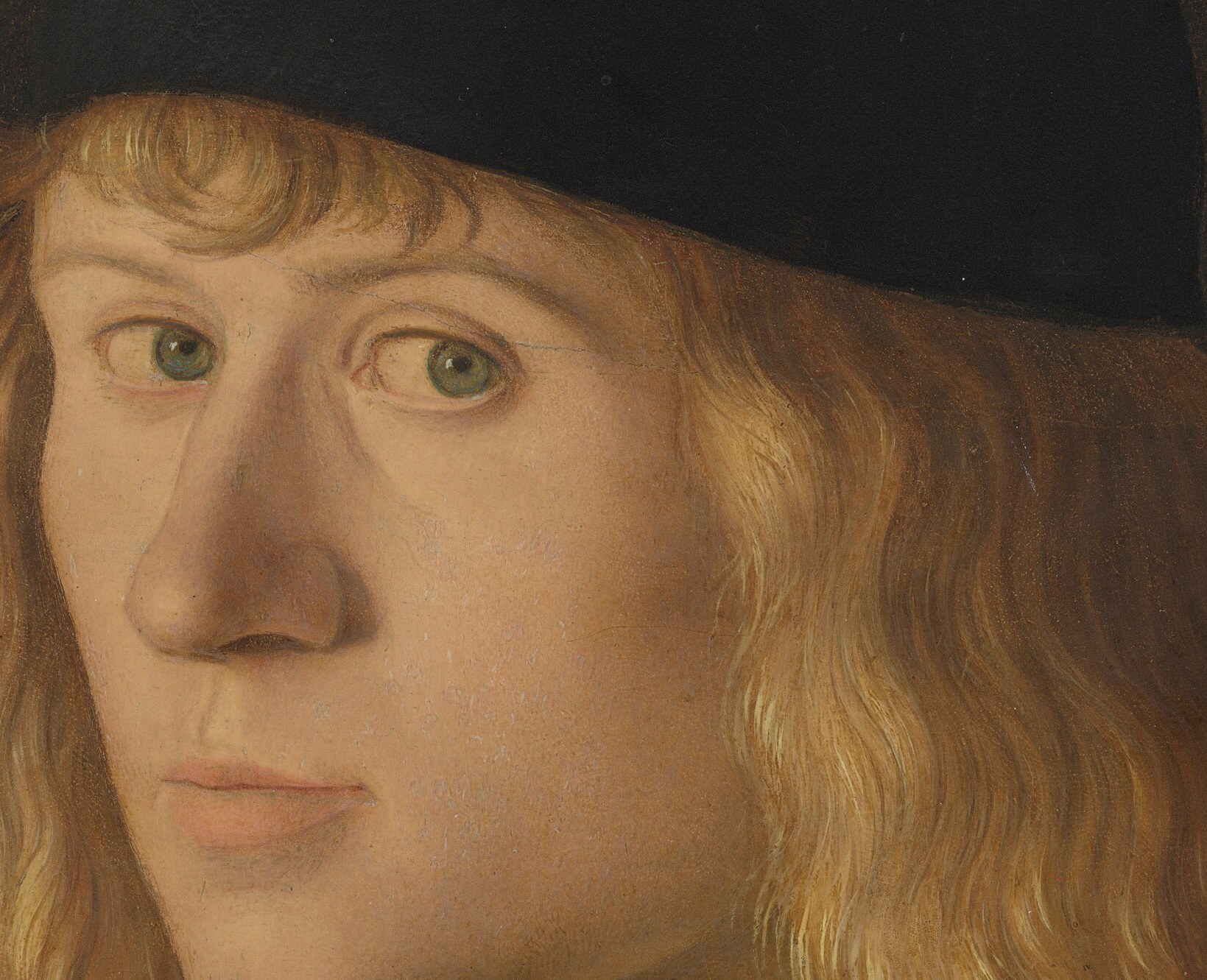
Together, these elements paint a picture of a young man poised on the brink of adulthood, likely preparing for marriage or an important public role. The artist's focus on these seemingly minor details provides a rich historical context for understanding the subject's place in Venetian society.
What other hidden messages do you think portraits might contain?
Details
Transcript
This young man has a secret. His plain black cap shows he is unmarried. Loose, flowing hair marks him as a youth, under thirty. His simple doublet confirms he is a patrician. His direct gaze tells you he's ready for what's next. This is a portrait of a rising young Venetian.