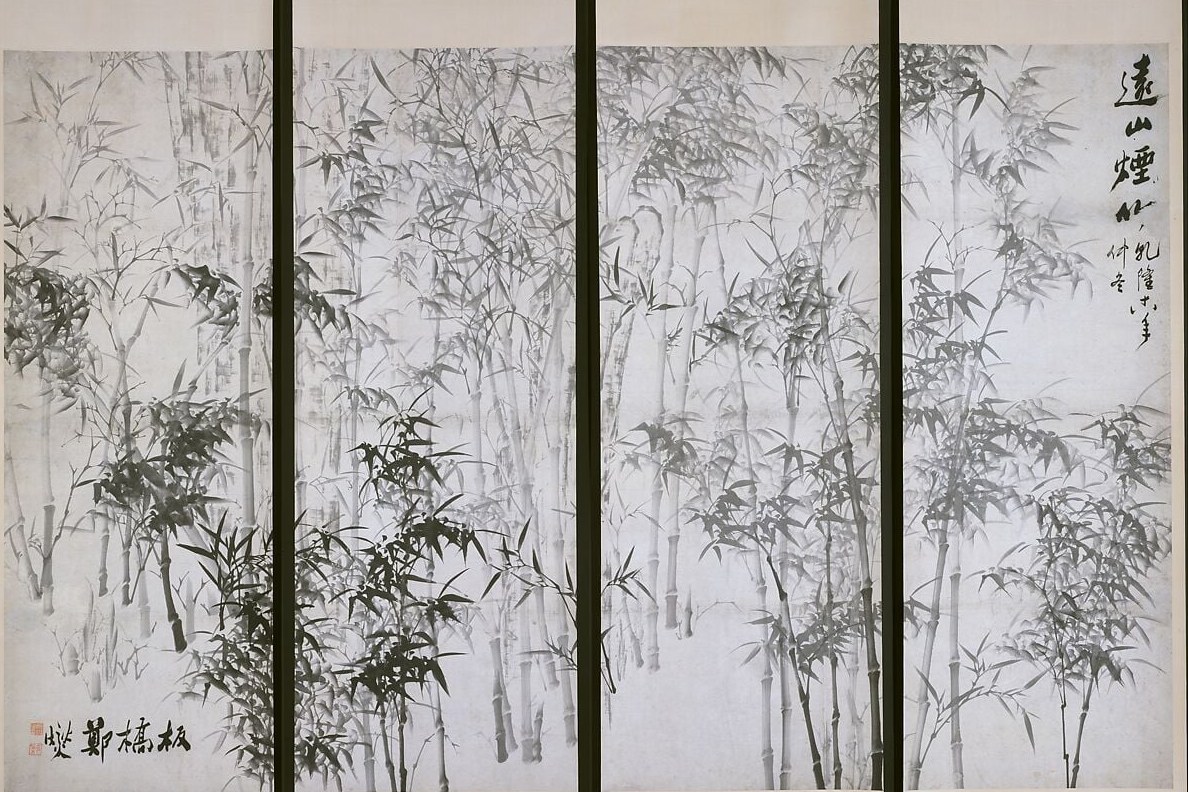
清 鄭燮 遠山煙竹圖 軸|Misty Bamboo on a Distant Mountain by Zheng Xie
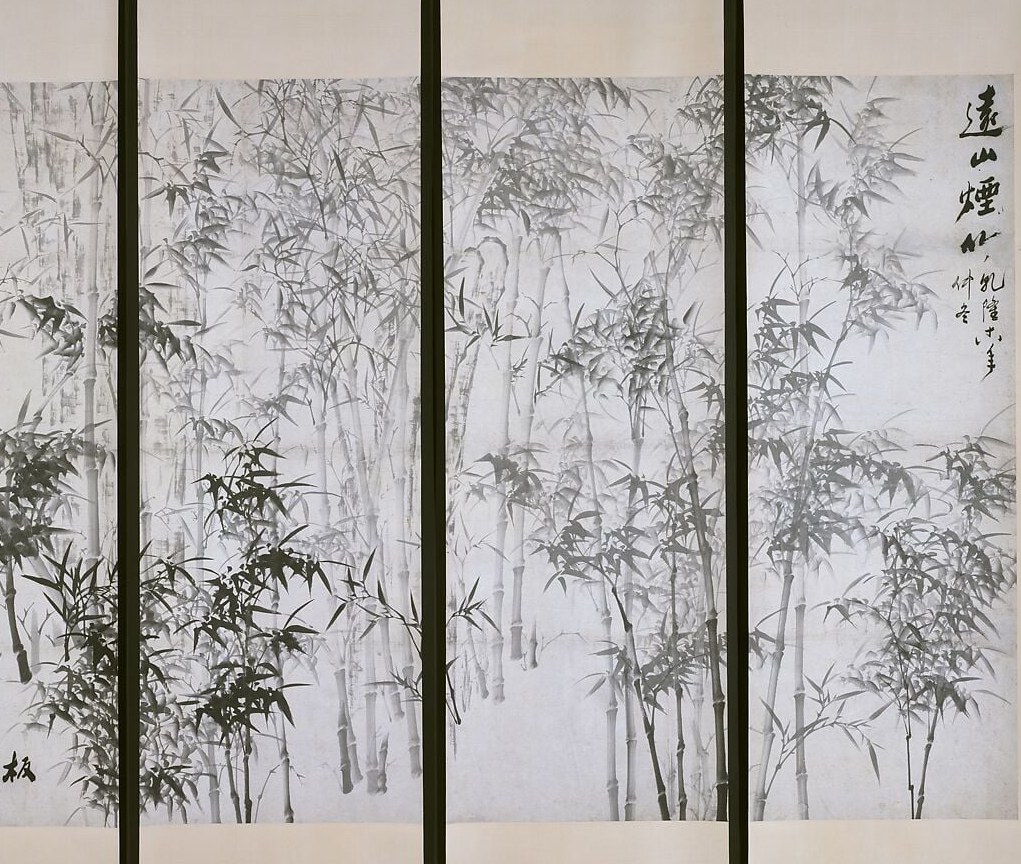
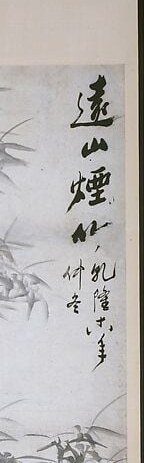
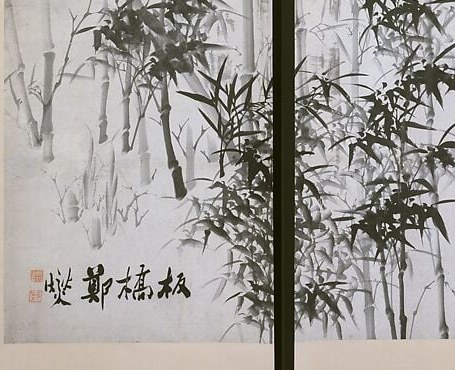
Misty Bamboo on a Distant Mountain, painted by Zheng Xie in 1753, is more than a beautiful landscape; it's a painting rich with symbolic meaning. This ink on paper hanging scroll, now in a museum collection, uses the enduring motif of bamboo to convey deeper virtues.
Look closely at the various elements of the bamboo. The strong, upright stalks, the delicate leaves, and even the misty mountains in the background all contribute to a sense of tranquility and steadfastness. The artist's brushwork emphasizes both the fragility and the resilience of nature.
In Chinese culture, bamboo is a powerful symbol. Its ability to bend without breaking represents resilience and integrity. Its hollow stems are often seen as a metaphor for humility and an open mind, while its evergreen nature signifies longevity and perseverance.
Zheng Xie, a renowned artist of the Qing dynasty, masterfully uses this natural imagery to communicate values that resonated deeply in his time and continue to inspire today. What message do you find in this ancient code?
Details
Transcript
This isn't just a landscape, it's a coded message. The artist, Zheng Xie, painted it in 1753. In Chinese culture, bamboo represents resilience and strength. Its hollow stems symbolize humility and inner peace. And its evergreen leaves mean longevity. Through the bamboo, the painter conveys noble virtues.