A Young Woman as a Shepherdess ("Saskia as Flora") by Rembrandt
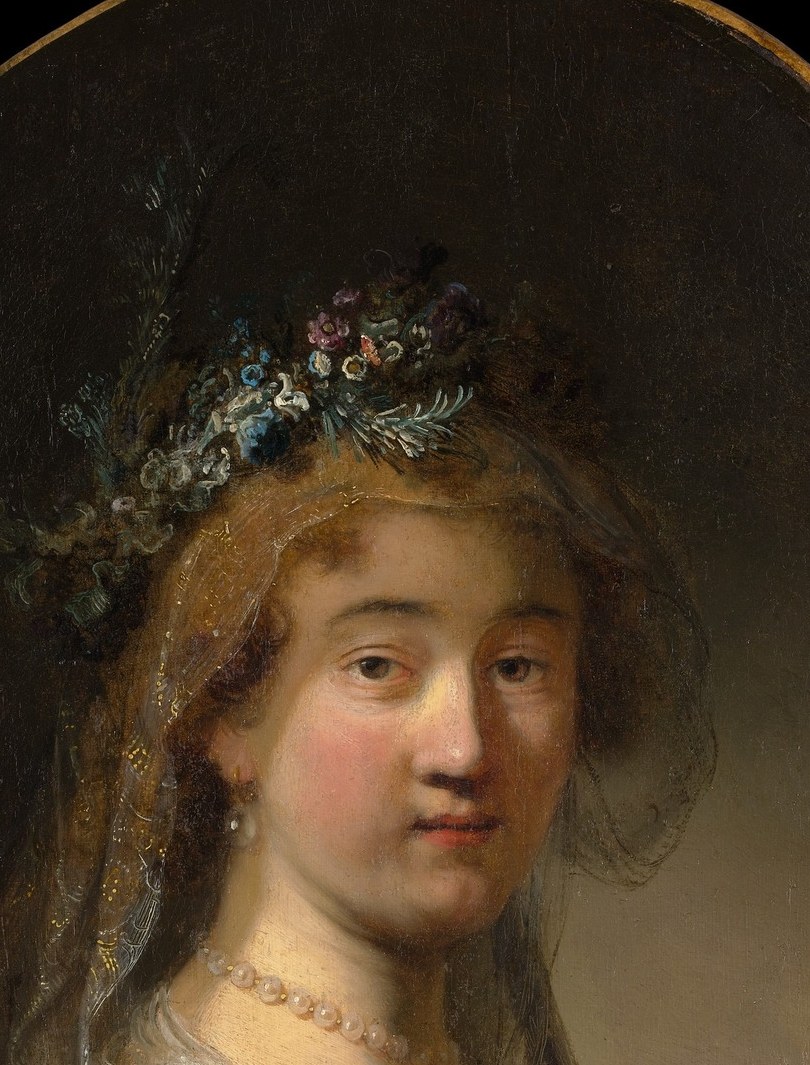
Rembrandt's A Young Woman as a Shepherdess, painted around 1650, is more than just a mythological scene; it's an intimate portrait of his beloved wife, Saskia van Uylenburgh, as Flora, the Roman goddess of spring.
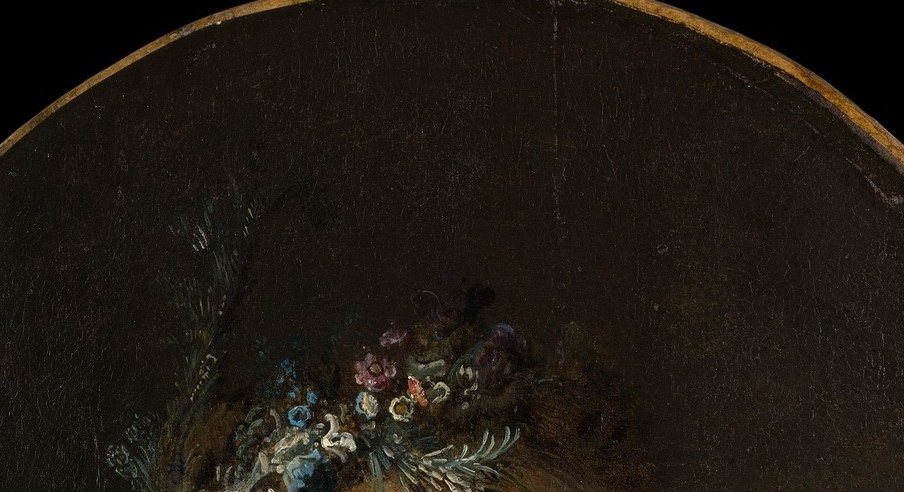
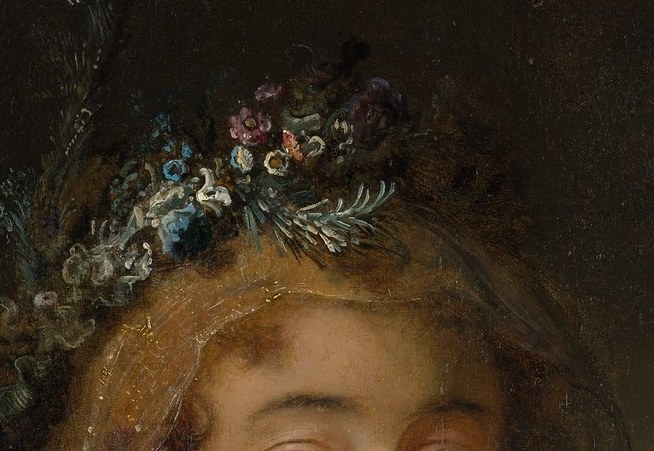
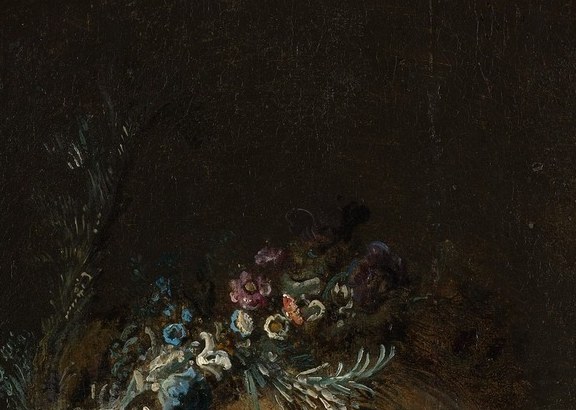
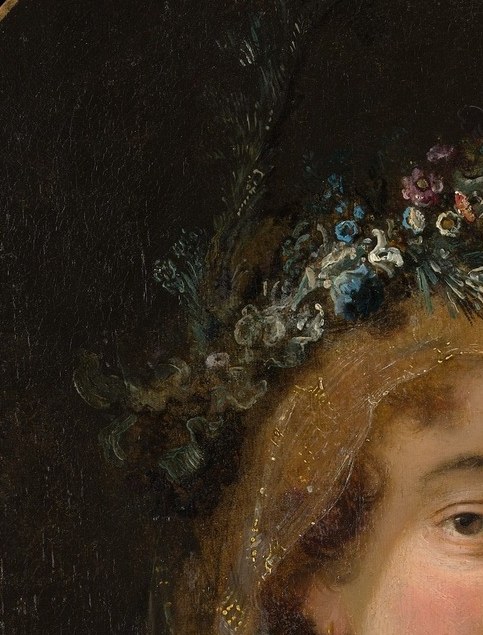
Notice the delicate floral crown adorning her head, the primary signifier of her divine role. Yet, Rembrandt masterfully imbues her with a profoundly human presence. Her downcast, sidelong gaze and softly parted lips suggest a moment of reverie, inviting us into her inner world rather than presenting an idealized goddess.
Rembrandt, a leading figure of the Dutch Golden Age, frequently explored diverse subjects and experimented with his techniques. This painting, housed at The Metropolitan Museum of Art, is a beautiful example of how he blended classical themes with personal portraiture, creating works that resonate with enduring human emotion. It offers a rare, tender glimpse into their connection.
What emotions do you feel when you look into Saskia's eyes?
Details
Transcript
Rembrandt painted his wife, Saskia, as Flora, goddess of spring. This floral crown signals her mythological role. Yet he captures her as a real woman, not an ideal deity. Her gaze, lost in thought, suggests a private world. This intimate portrait was painted around 1650. A rare glimpse into a loving marriage.