墨竹扇面図|Bamboo and Rocks by a Stream by Takaku Aigai
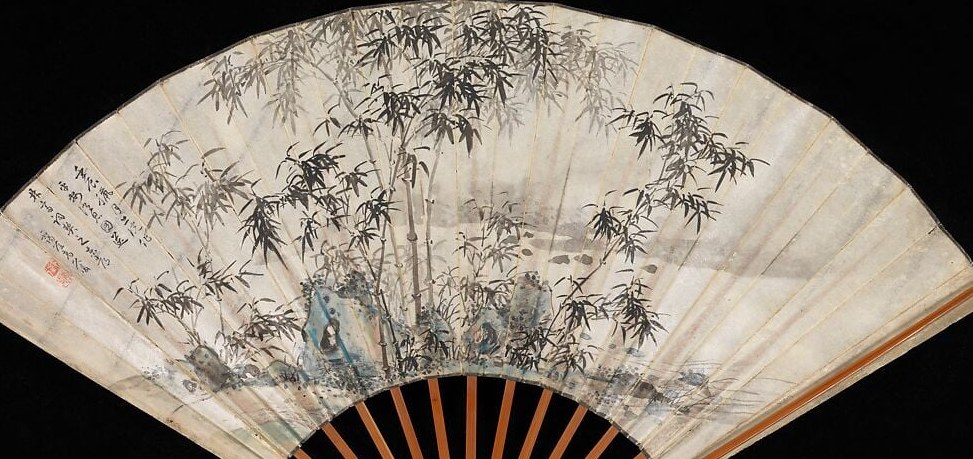
Takaku Aigai's “Bamboo and Rocks by a Stream,” created in 1832, isn't just a painting; it's an ink painting on a folding fan. This beautiful work is part of a larger tradition of art integrated into functional objects, designed for personal use and portability rather than display on a wall.
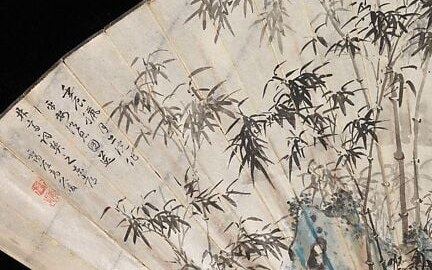
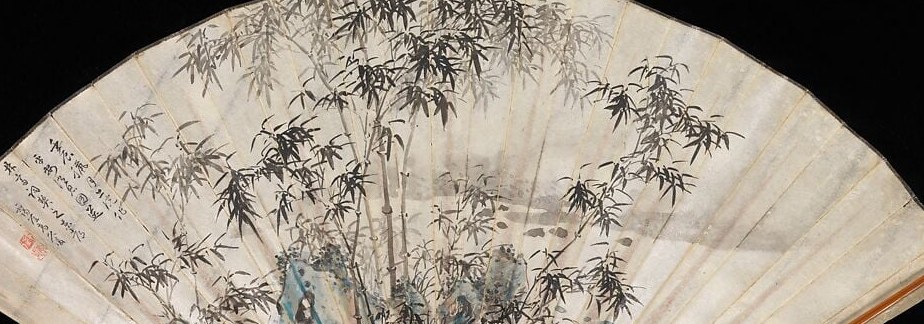
Notice how the artist skillfully used the unique, curved surface of the fan. The elegant bamboo stalks and the subtle ink washes for the rocks and stream demonstrate a mastery of technique on an unconventional canvas.
In East Asian culture, bamboo often symbolizes resilience and scholarly virtue, making it a fitting subject for an object that would be held and admired up close. Aigai's work shows the delicate balance between art and everyday life in 19th-century Japan. It's a reminder that art can be found in the most unexpected places.
Have you ever seen art on an object meant for everyday use?
Details
Transcript
This looks like a painting on paper. Look closely at the bottom, though. These are wooden ribs, part of a folding fan. The artist, Takaku Aigai, painted directly on a functional object. It was meant for personal use, not hanging on a wall. The composition adapts to the fan's unique curved surface.