Self-portrait by Ferdinand Bol
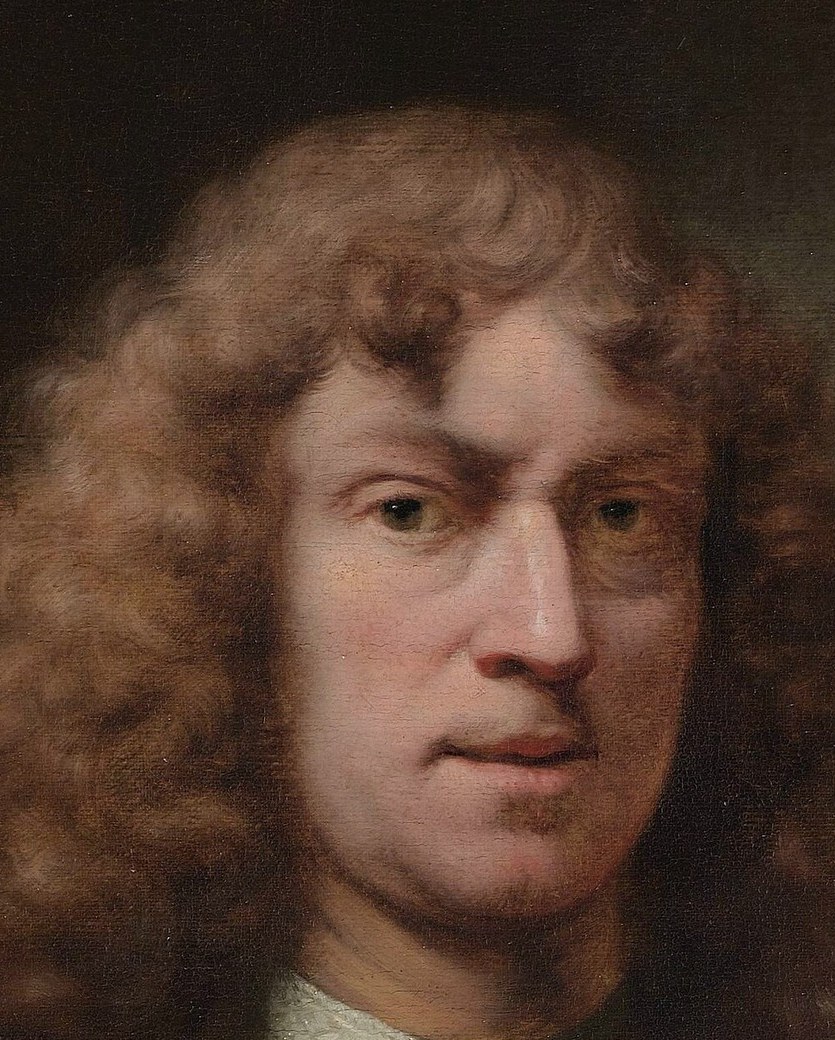
Ferdinand Bol's 'Self-portrait', painted around 1669 and held at the Rijksmuseum in Amsterdam, is more than just a likeness; it's a coded message of love and new beginnings.
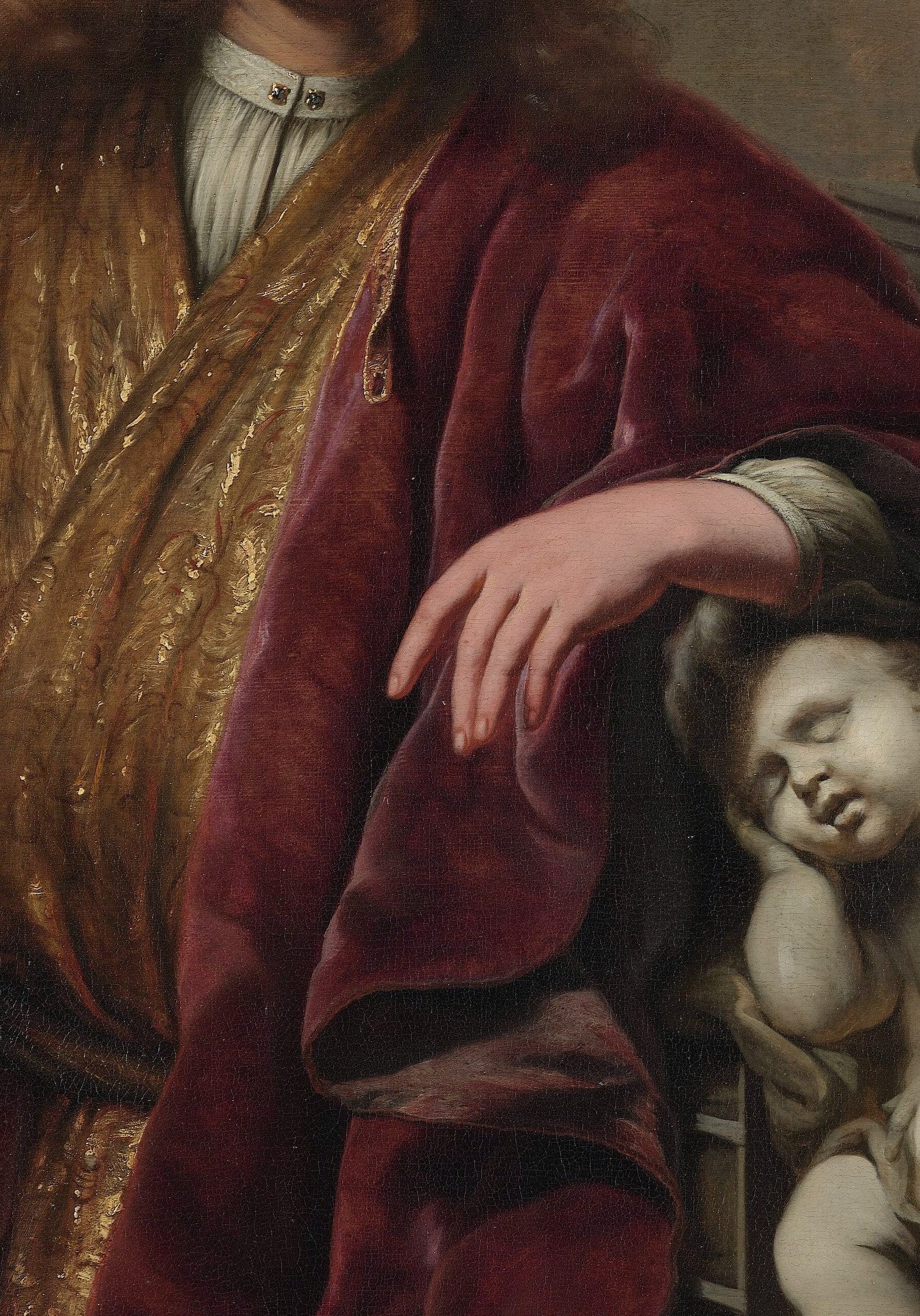
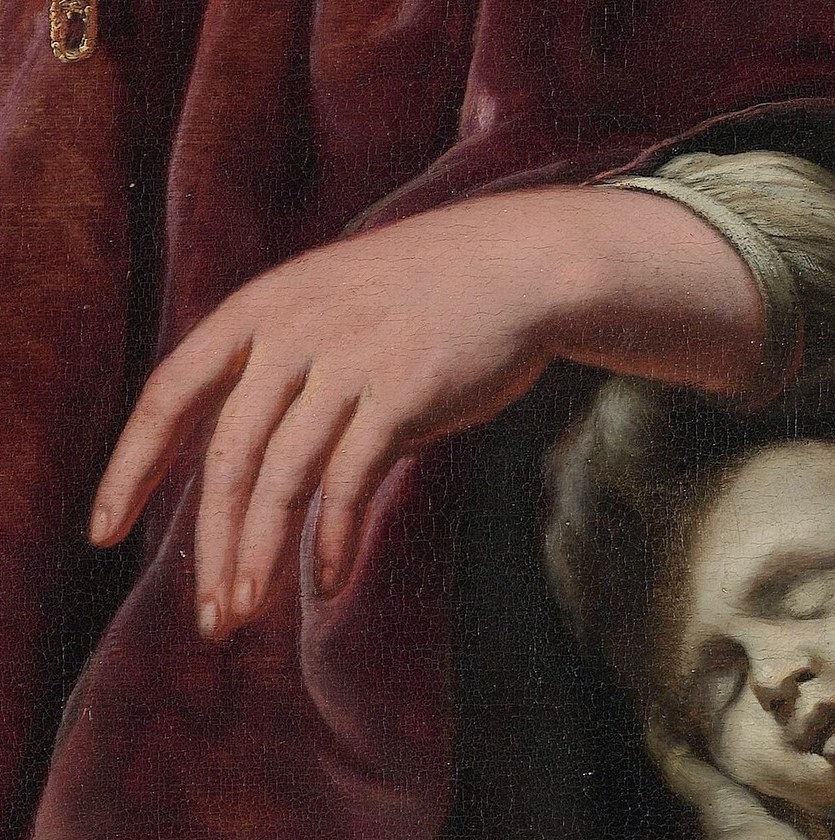
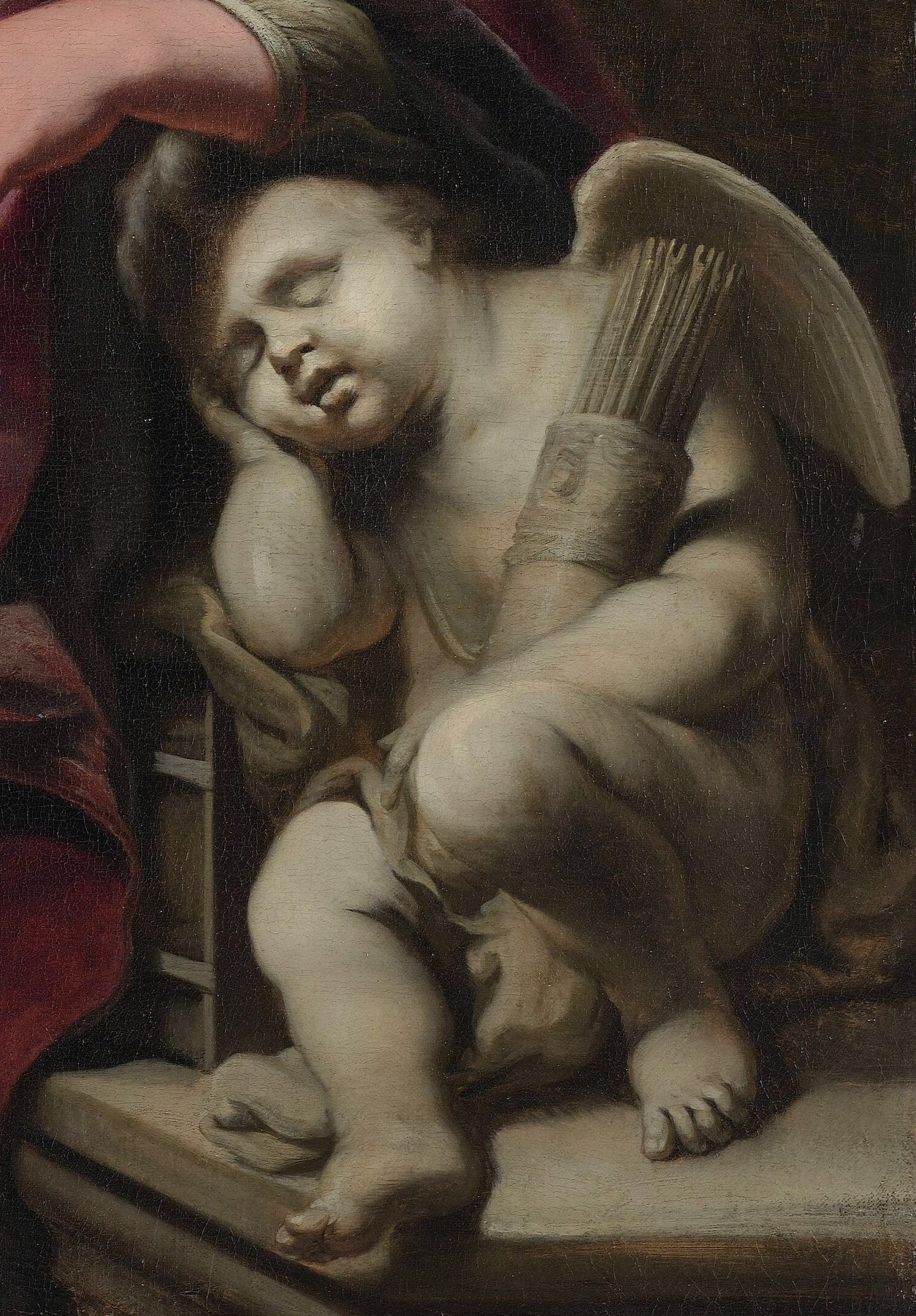
Look closely at the artist's pose and the figure he rests upon. The opulent embroidered robe speaks to his success, but it's his gentle interaction with the sleeping Cupid sculpture that reveals the true meaning. Cupid, the Roman god of desire, lies at peace, his bow and arrow by his side.
This painting was created on the occasion of Bol's second marriage to Anna van Erckel in 1669. It’s a personal statement, a visual declaration of his happy state and a departure from the dramatic self-portraits of his mentor, Rembrandt.
Bol, a successful Dutch Golden Age painter, masterfully uses symbolism to convey a quiet, intimate moment. What do you think this painting communicates about love?
Details
Transcript
This painter shows himself in a luxurious robe. He was a successful artist, a student of Rembrandt. His left hand rests on a sculpture of Cupid. Cupid, god of love, here sleeps peacefully. This portrait celebrates his second marriage in 1669. He captures the quiet affection of a new beginning.