Richard Yates by Stuart, Gilbert
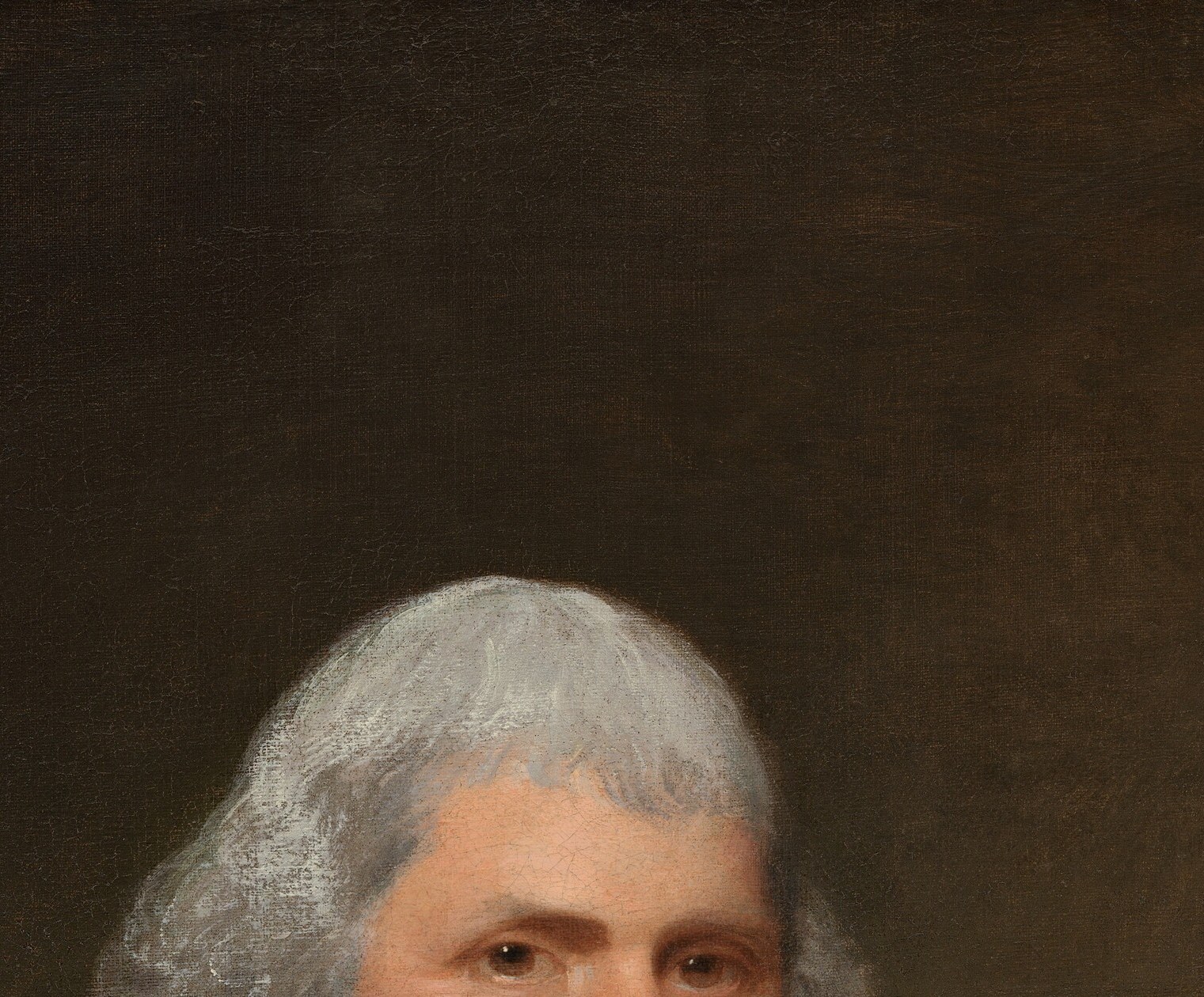
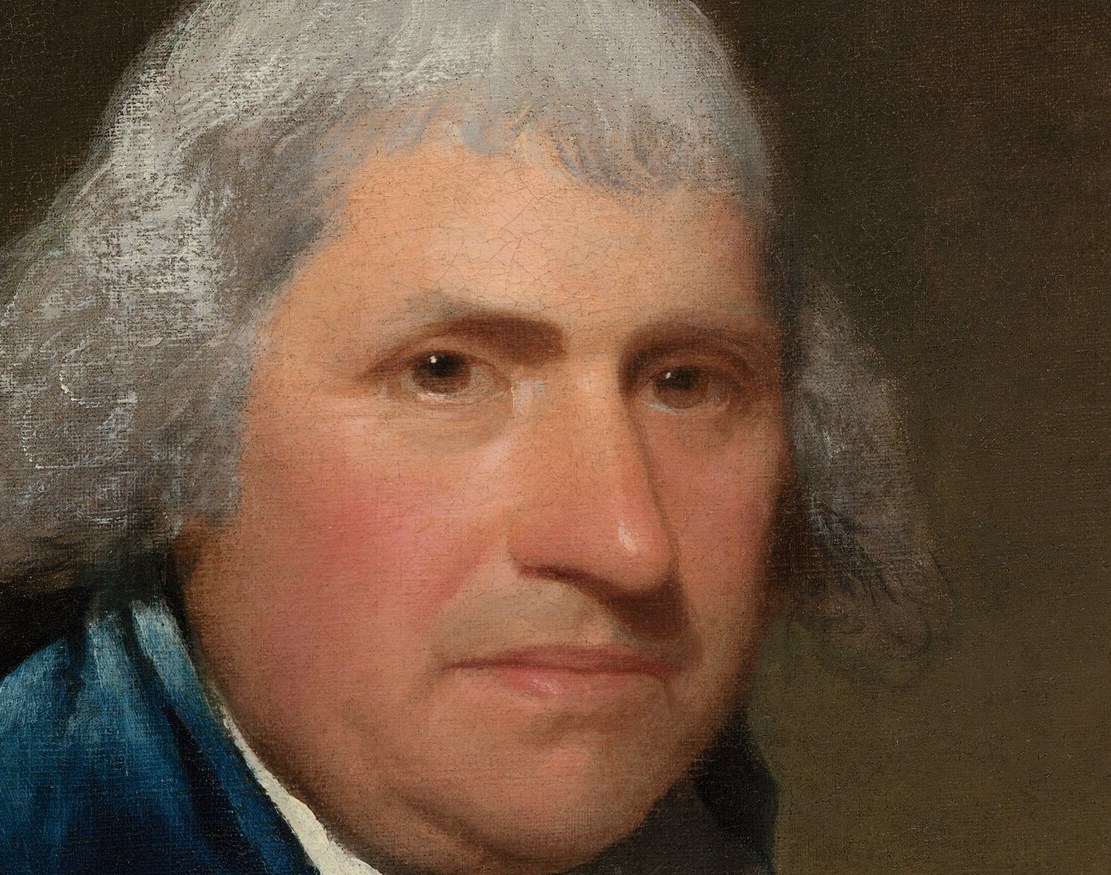
This is Richard Yates, painted by Gilbert Stuart in 1794. It hangs in the National Gallery of Art. What you're looking at is a window into the mercantile class of the early American republic, a man who likely traded goods between New York, Philadelphia, and London, sitting for his portrait in the same years the nation was ratifying its identity.
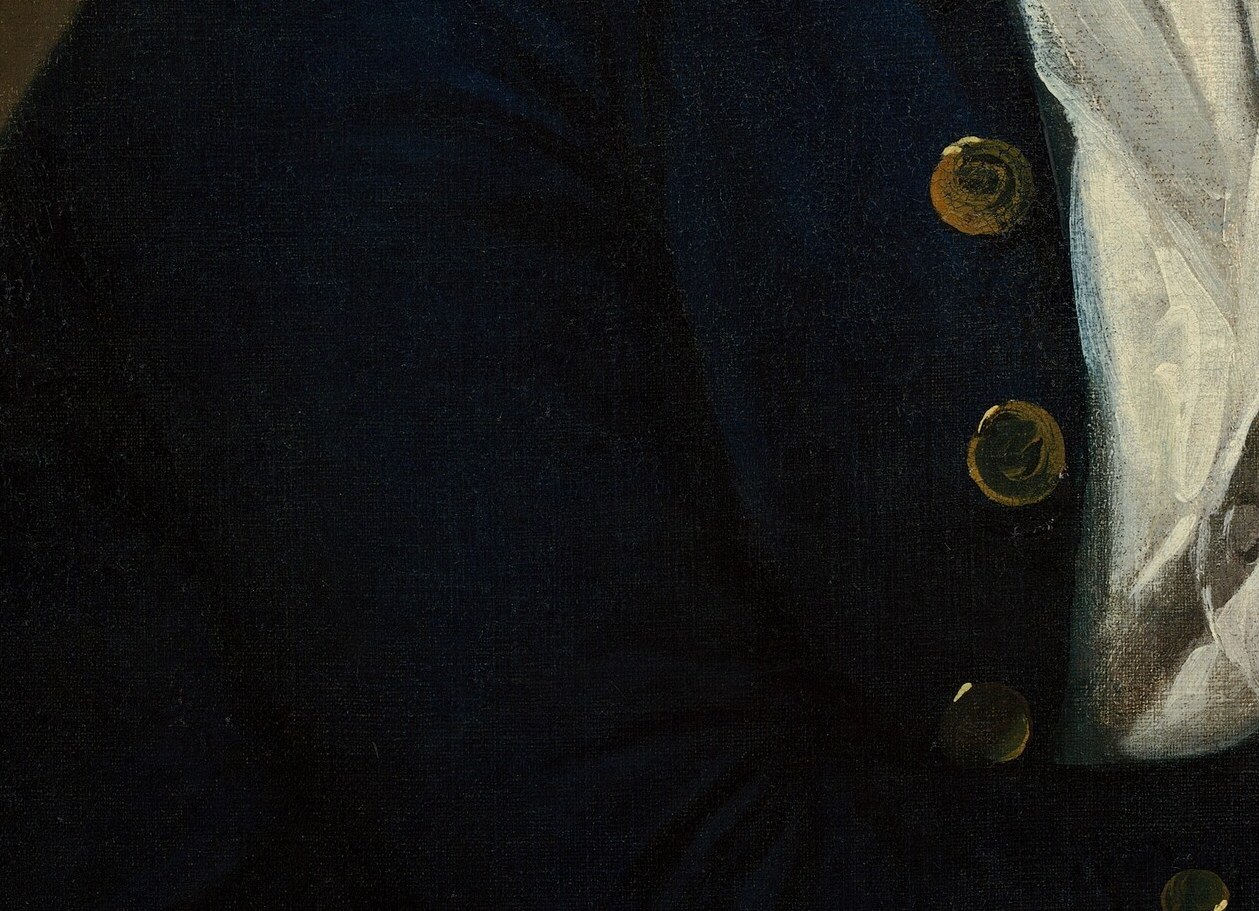
Look at the white cravat and the dark blue coat with brass buttons. Those are not aristocratic signals, they're the uniform of a prosperous American merchant. The wig places him precisely in the 1790s, when such powdered hair was still standard professional dress. His hand rests not on a sword or a book of peerage, but on documents: ledgers, letters, the paper trail of commerce.
Gilbert Stuart was the most sought-after portraitist in Federal America. Born in Rhode Island in 1755, he trained in London under Benjamin West before returning to paint the faces of the new nation's elite. Just a year or two after this portrait, he would begin his famous series of George Washington paintings, one of which has lived on the U.S. dollar bill for over a century.
The confidence in Yates's eyes is the real story. Stuart had a gift for capturing psychological presence, and here the sitter meets your gaze with the directness of a man who believed he was shaping something new. A republic of merchants, letters, and ledgers.
Details
Transcript
New York or Philadelphia, 1794. A new republic is finding its feet. This man helped build it. The powdered wig was not an affectation, it was a uniform. He's a merchant. The papers under his hand are ledgers. Gilbert Stuart was the portraitist everyone in Federal America wanted. In a few years he'd paint George Washington.