Three Figures Dressed for a Masquerade by Le Lorrain, Louis-Joseph
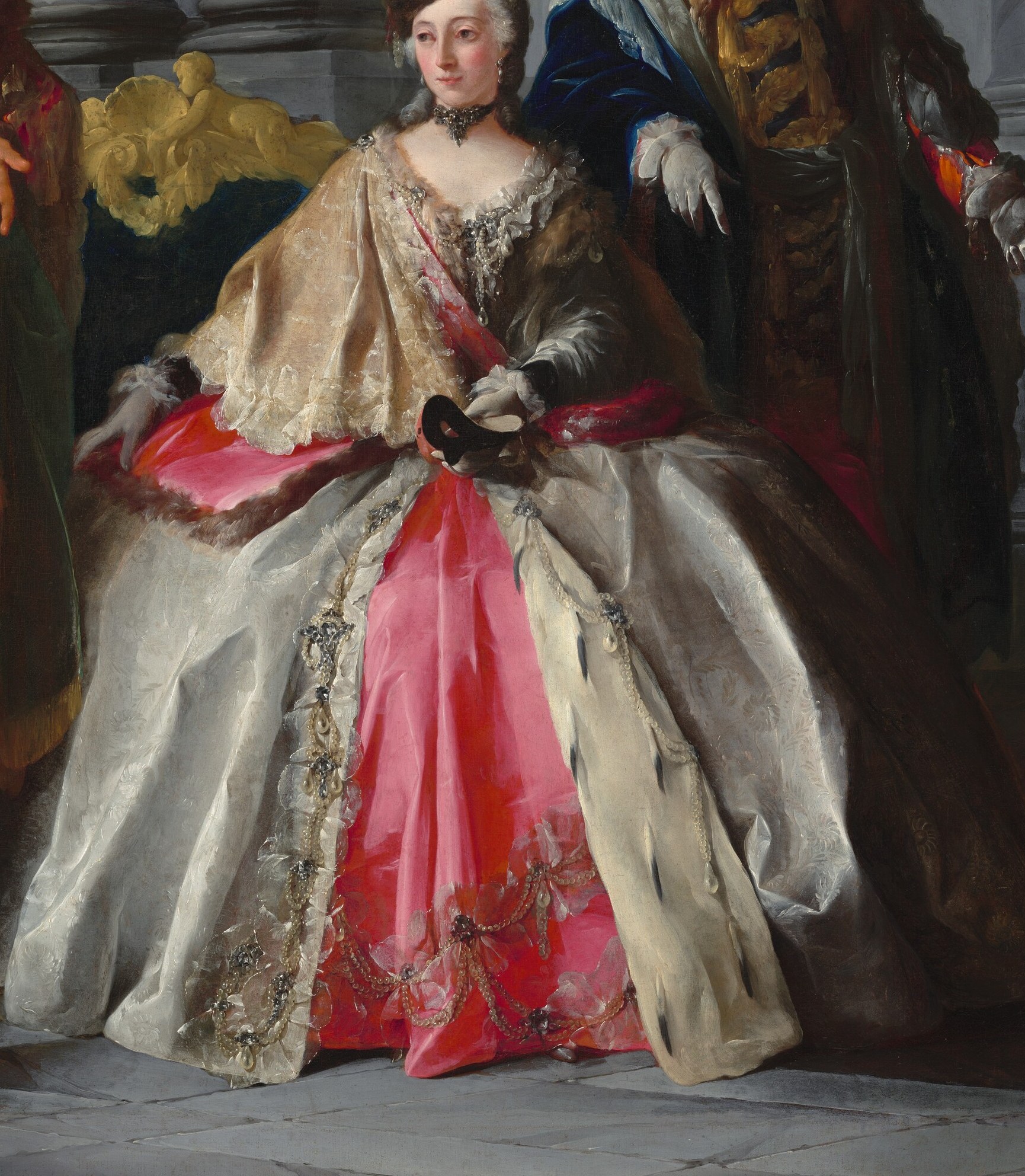
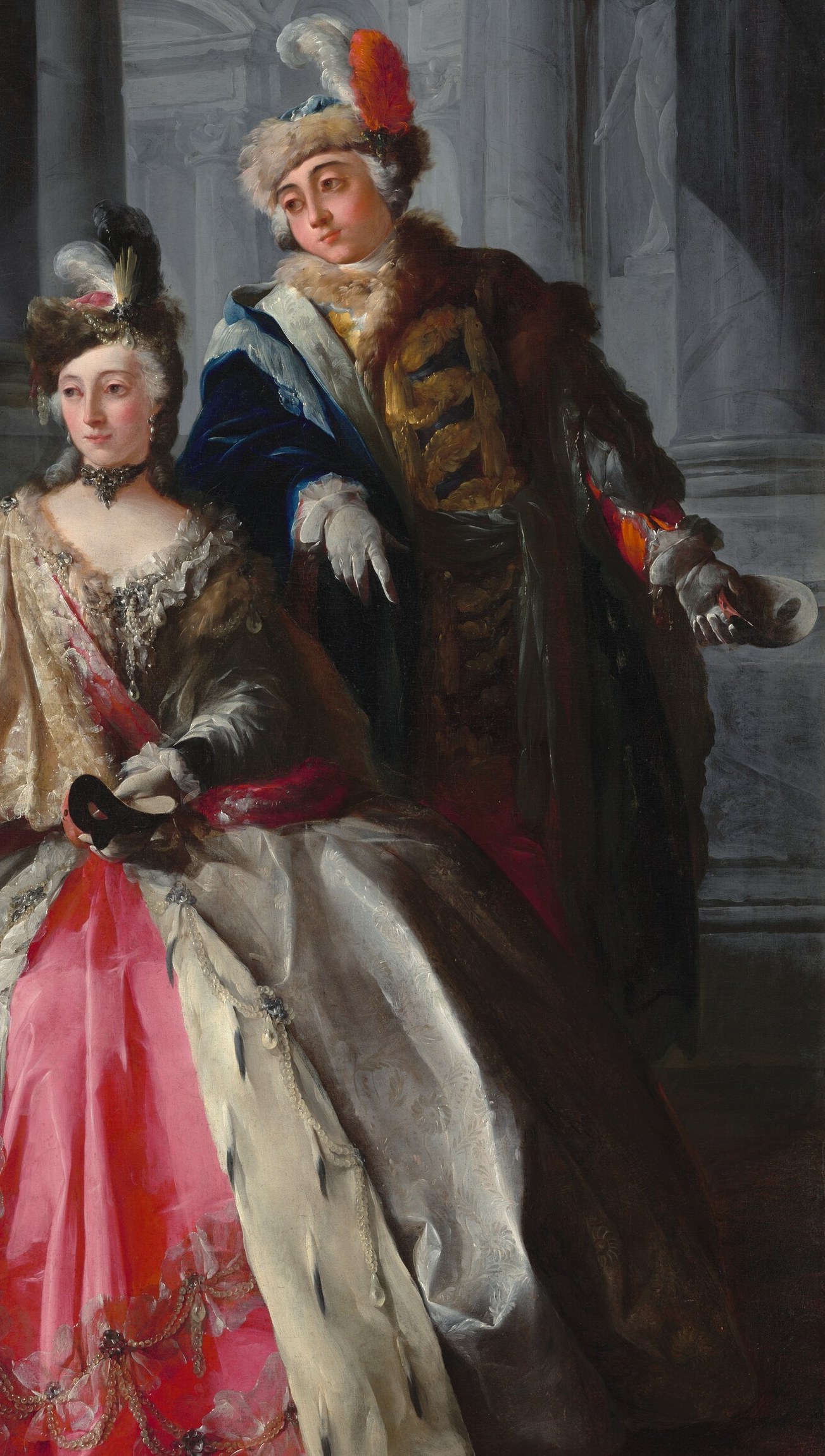
Louis-Joseph Le Lorrain's 'Three Figures Dressed for a Masquerade,' from around 1744, captures the elaborate world of Rococo-era courtly entertainment, where identity was often a playful performance.
Look closely at the central figure's black mask, held delicately in her hand. This object, along with the sumptuous costumes worn by all three figures, is more than just attire; it's a key to understanding the painting's themes of hidden identity and theatricality.
Le Lorrain, an artist active in the mid-18th century, excelled at depicting such scenes, rich with dramatic chiaroscuro and tactile illusions. His work is a window into the aristocratic leisure and elaborate social rituals of the time.
What do you think these figures might be hiding behind their masks?
Details
Transcript
This painter, Louis-Joseph Le Lorrain, captured a masquerade. A masquerade is a ball where identities are hidden. This black mask hides her true face. Her elaborate gown and the other costumes are also disguises. The artist was known for these theatrical, disguised scenes. Here, identity is a performance.