The Bridge by Jacob Maris
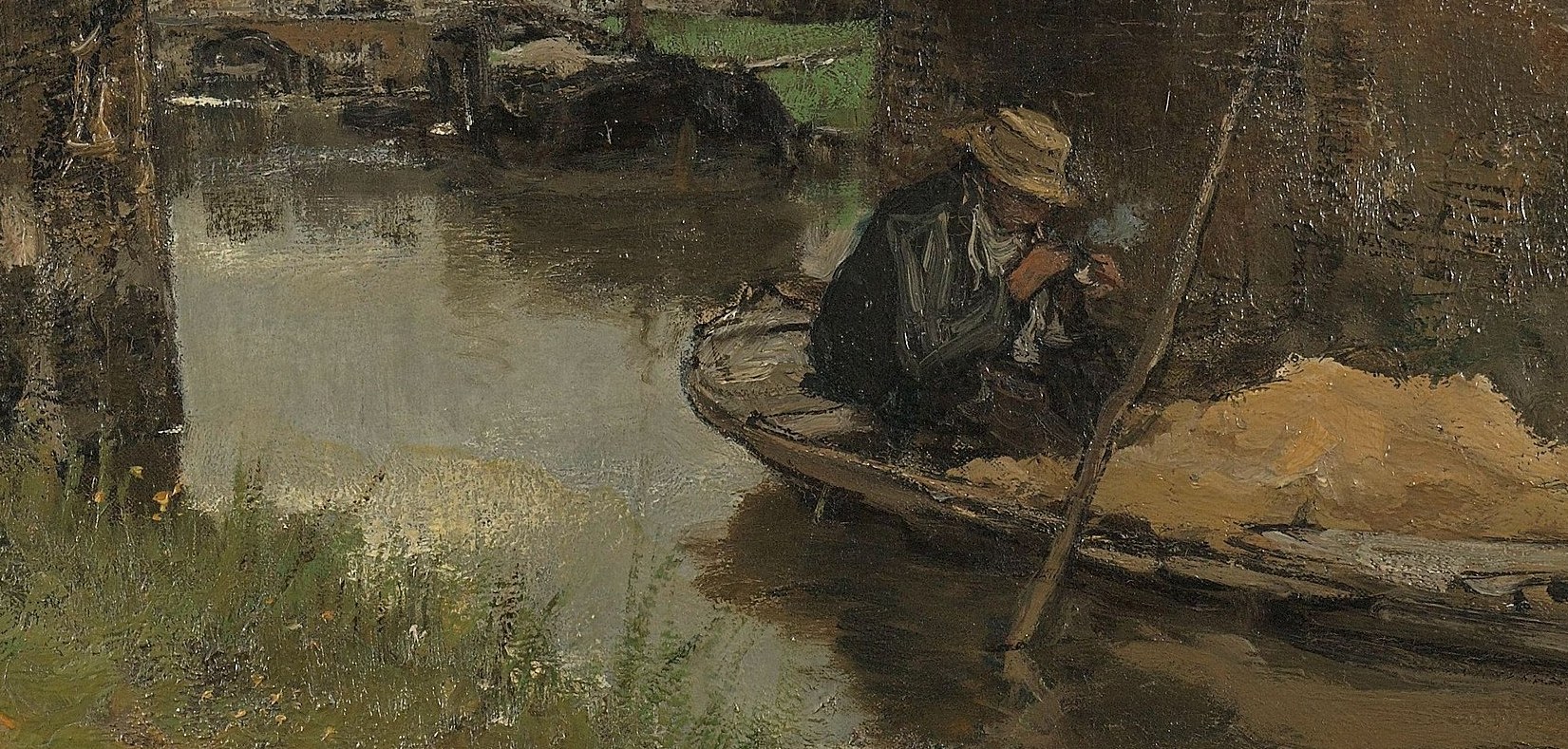
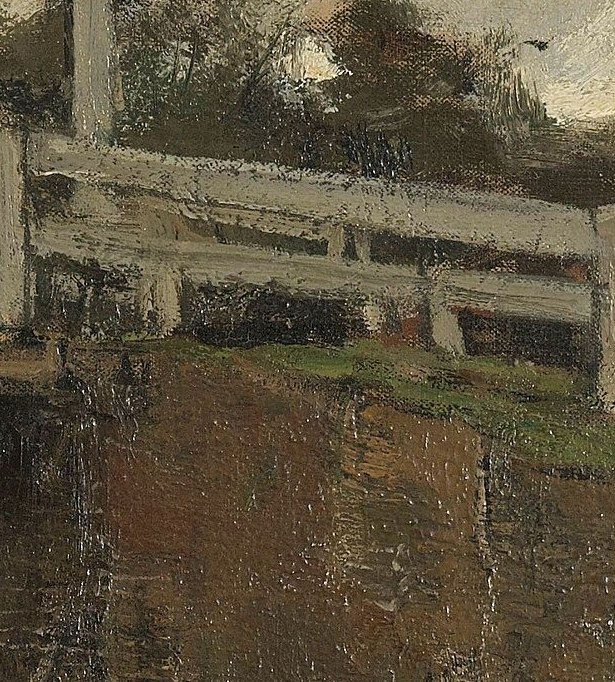
Jacob Maris's "The Bridge," painted in 1890 and now at the Rijksmuseum, is more than a simple landscape; it's a subtle reflection on Dutch life and progress.
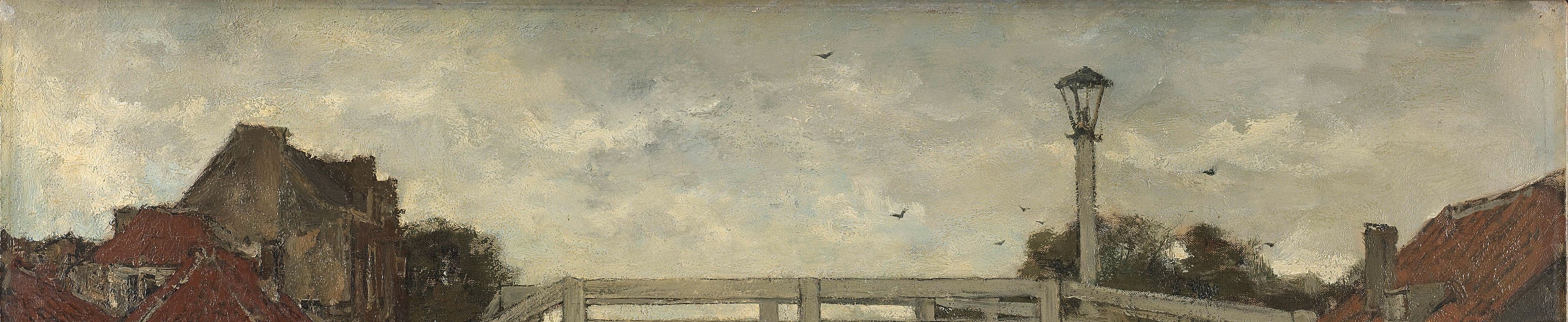
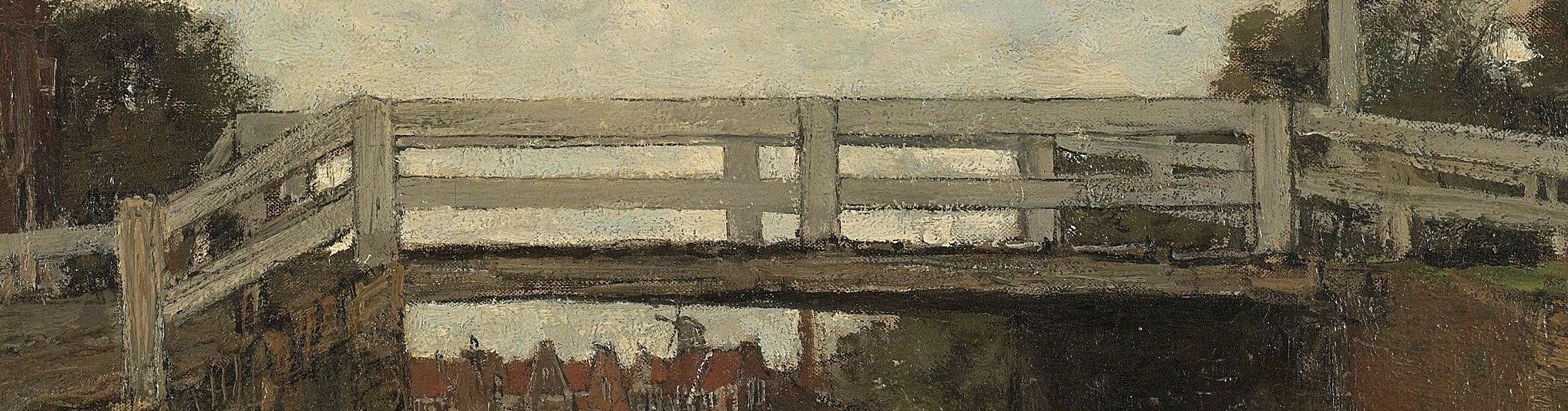
Maris, a key figure of the Hague School, uses everyday elements to convey deeper meaning. Notice the distant windmill, a timeless symbol of Dutch ingenuity and heritage. Contrast this with the street lamp, a modern addition that hints at the industrial changes sweeping through the Netherlands.
His loose brushstrokes and muted palette capture the characteristic atmospheric quality of the Dutch skies, grounding the scene in its specific environment. It's a testament to Maris's skill that he could infuse such depth into a seemingly ordinary moment.
What other subtle details do you notice that speak to the painting's quiet narrative?
Details
Transcript
This painter, Jacob Maris, defined Dutch landscape art. He captures a quiet canal scene, a moment of daily life. Look closely at the distant windmill, a symbol of Dutch ingenuity. And this street lamp, a modern touch, hints at coming change. The muted tones capture the ever-present Dutch weather. Maris uses these details to paint a portrait of his homeland.