Venetian Lagoon by Francesco Guardi
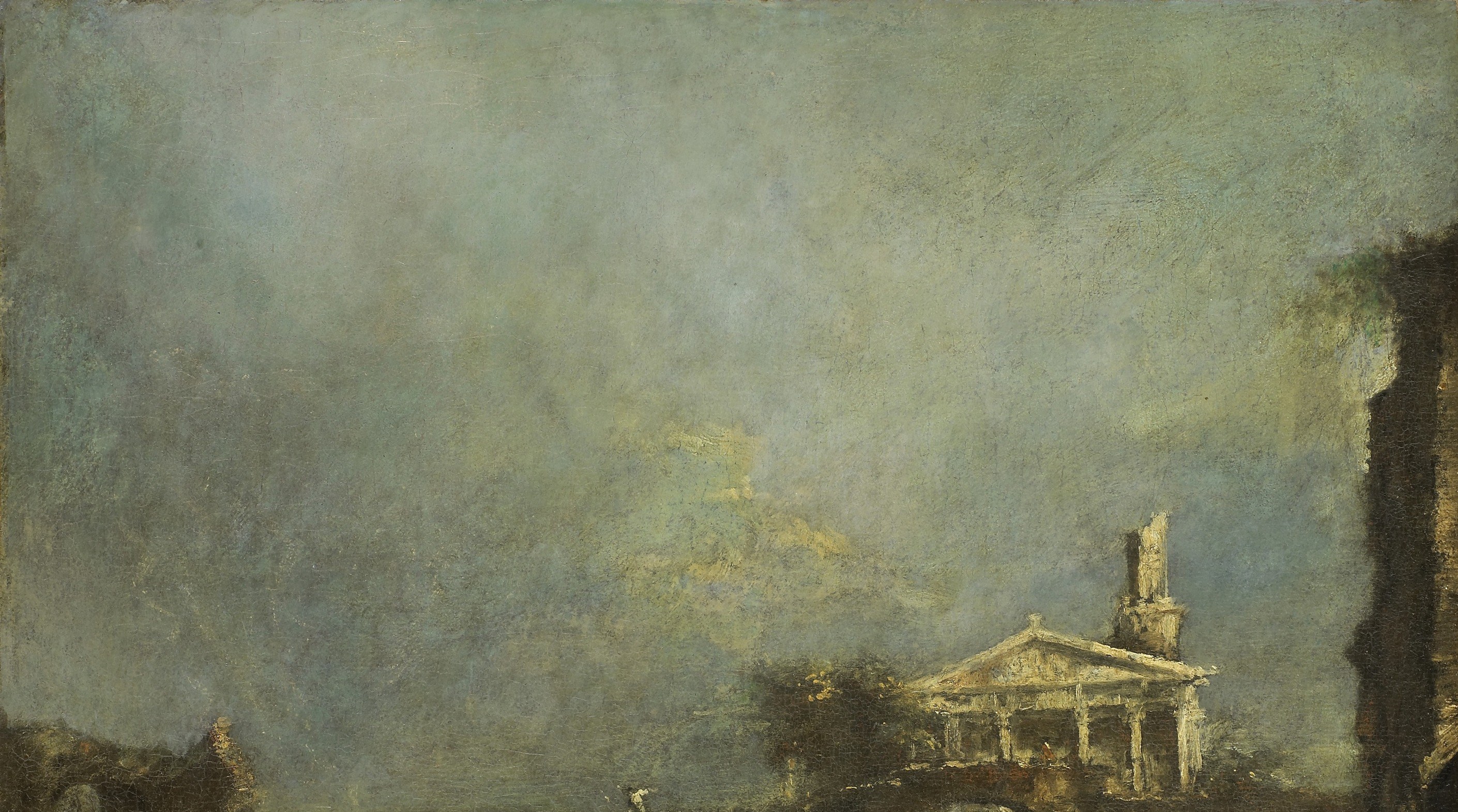
Francesco Guardi's "Venetian Lagoon," painted around 1500, offers a serene glimpse of Venice's quieter waters at twilight. This oil painting, part of the Rijksmuseum's collection, showcases the artist's unique approach to capturing the city's atmospheric beauty.
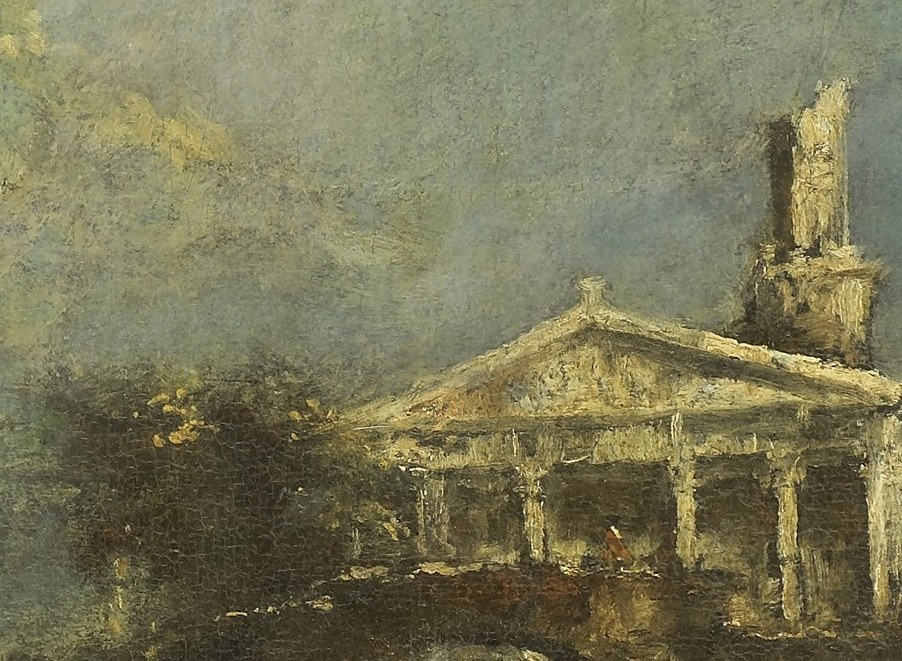
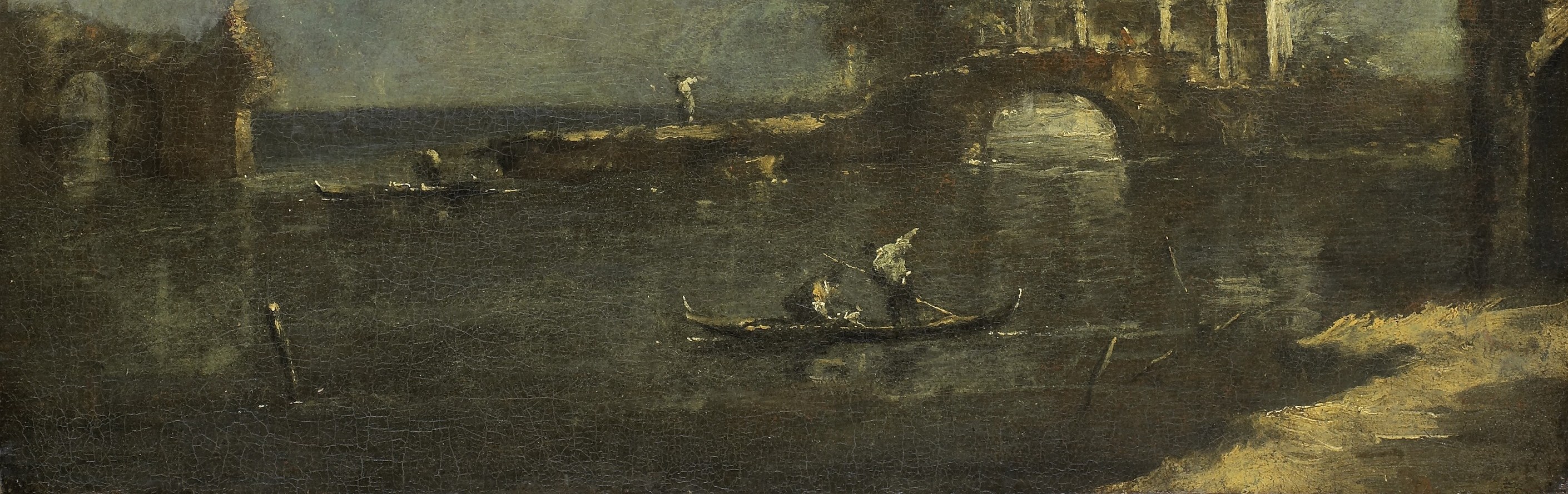
Look closely at the soft reflections in the water and the hazy, expressive sky. Guardi's spirited brushwork creates a sense of mood and light, rather than precise architectural detail, drawing you into the tranquil scene.
Initially, Guardi collaborated with his brother, Gian Antonio, on religious paintings. After Gian Antonio's death in 1760, Francesco turned to painting vedute, or cityscapes. His style evolved, becoming looser and more imaginative, departing from the more rigid influences of his predecessors.
This painting captures the essence of Venice, reflecting Guardi's later career focus on the city's unique environment. What do you find most captivating in its quiet beauty?
Details
Transcript
This tranquil scene hints at Venice, but not the Grand Canal. It shows the quieter side of the Venetian Lagoon at twilight. The artist, Francesco Guardi, focused on these atmospheric cityscapes. But his early career involved painting religious works with his brother. After his brother's death, Guardi shifted to his signature loose style. His free brushwork captures the essence, not just the exact view.