Portrait of Lorenzo di Credi by Perugino, Pietro

This is the Portrait of Lorenzo di Credi, painted by Pietro Perugino around 1504 and now in the National Gallery of Art in Washington, DC. The sitter was a fellow artist and a close personal friend of Perugino, the painting was likely a testament to that bond.

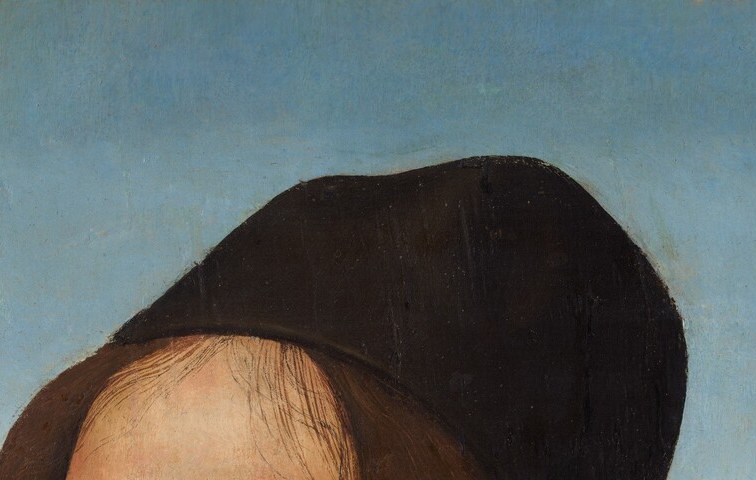
Look at the deliberate plainness: an unadorned black cap, a simple dark robe with no status markers. Perugino strips away social rank to focus everything on the mind and the face. Behind him, a luminous pale sky functions like a natural halo, while a lone tree on the right, a Renaissance emblem of virtue and solitude, quietly characterizes the man.

At some point in its history, this panel was physically attacked. Conservators discovered a long, vertical slash running straight through the face. The painting has since been cleaned, repaired, and transferred from its original wood panel onto canvas. Even an intimate portrait between friends was not safe.

A blade across the face, and five centuries later he still meets our eyes, slightly averted, but entirely composed.

#arthistory #renaissance #perugino

Details
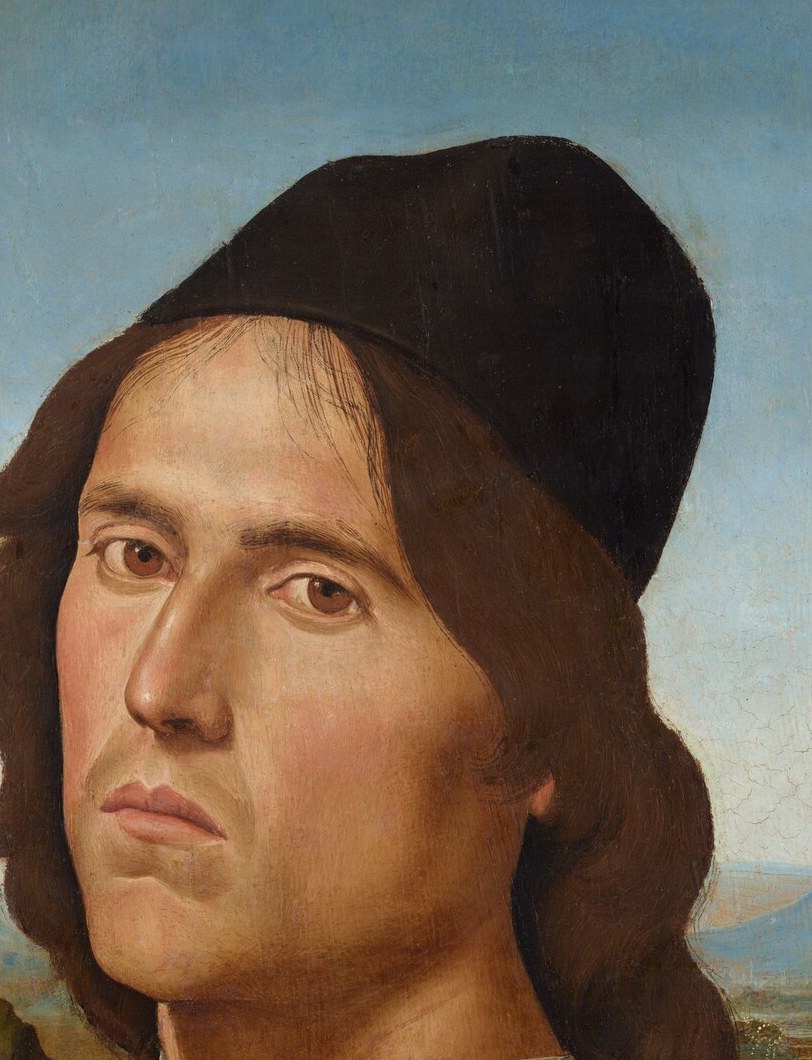
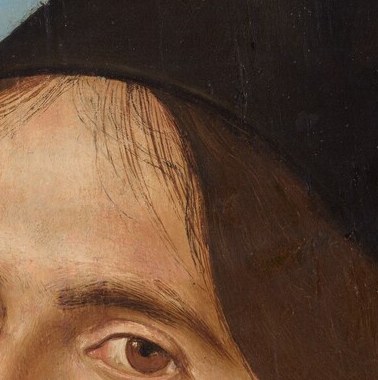
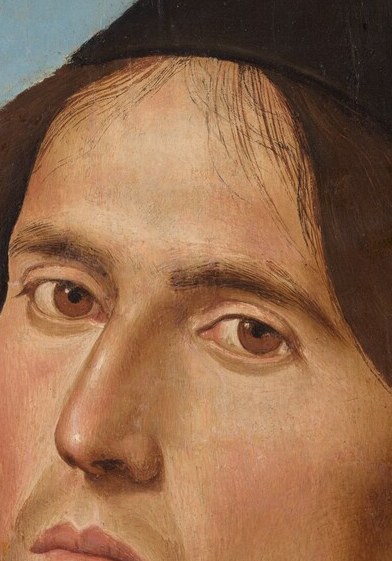
The psychological core of the portrait , slightly averted gaze, composed lips, and angular cheekbones convey the sitter's self-contained temperament; the turn of the head creates dynamic tension against a static body.
The unadorned black cap signals artistic or intellectual identity rather than noble rank; its horizontal brim bisects the upper painting and frames the face architecturally.
The eyes avoid direct contact with the viewer, a deliberate Perugino device that suggests inner reflection rather than social performance , unusual for a commissioned portrait.
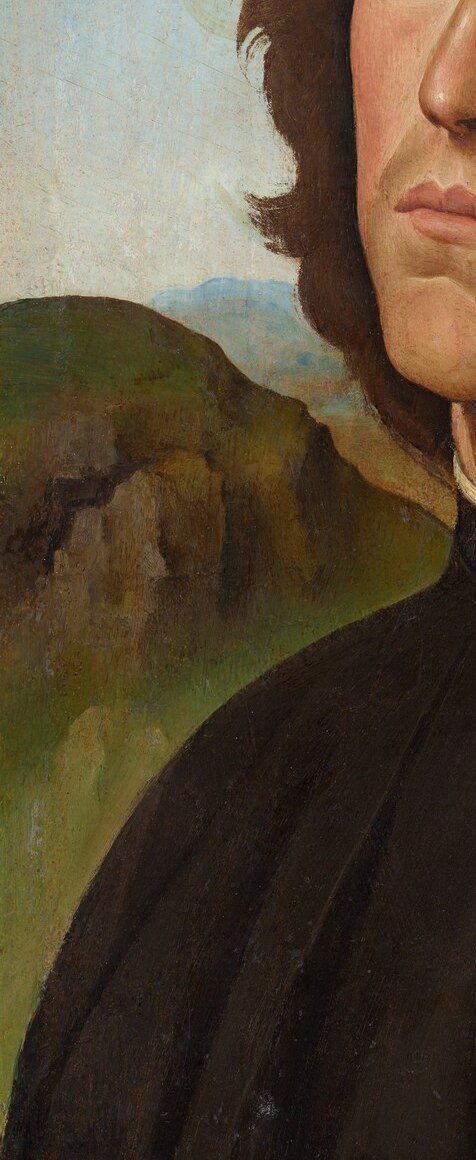
Soft rolling green hills recede in atmospheric perspective, typical of Perugino's Umbrian idiom , the same landscape vocabulary later absorbed by his student Raphael.
Perugino uses a single strong light source from the left to sculpt the face with firm volumetric shadows , technically demonstrating how oil paint on panel could rival carved relief.
Transcript

He looks like a quiet, self-possessed man. A fellow painter, and Perugino's close friend. No velvet, no jewels. The mind, not the rank. Look at the luminous sky behind his head. Conservators found a long, vertical slash through this face. Someone attacked this painting with a blade. It was stitched up, cleaned, and transferred to canvas. He survived the cut.