The Village Carpenter Bringing a Coffin for a Dead Child by Christen Dalsgaard
Christen Dalsgaard's "The Village Carpenter Bringing a Coffin for a Dead Child," painted in 1857, is a poignant example of Danish social realism. The work centers on a quiet, devastating moment of loss within a humble home.
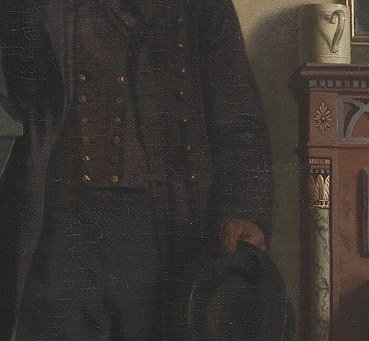
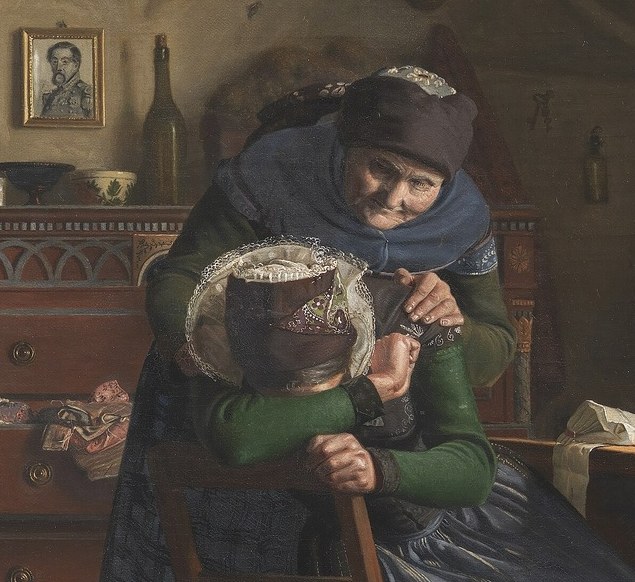
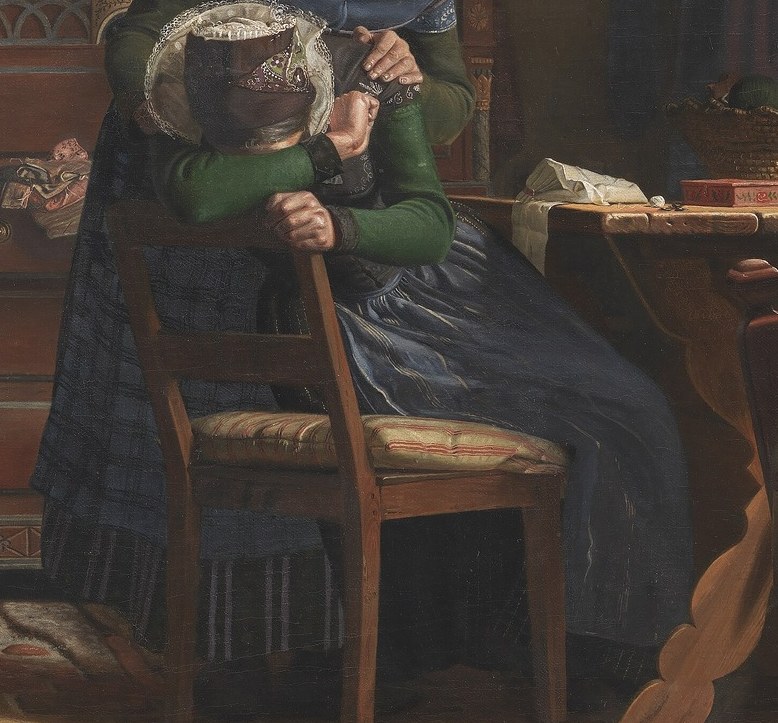
Look at the carpenter's stoic posture as he holds the small coffin, a stark symbol of the child's passing. Then, turn to the grieving woman, her downcast eyes and furrowed brow conveying profound sorrow, as she seems to be holding a child's hat.
Dalsgaard, a student of Christoffer Wilhelm Eckersberg, focused on depicting the realities of everyday life for ordinary people. This painting captures a difficult truth about infant mortality in rural 19th-century Denmark, rendered with sensitive detail and atmosphere.
The artist aimed to portray the lives and emotions of his subjects with authenticity and empathy.
Details

Transcript
A carpenter brings a small coffin. He carries it for a dead child. The artist was a student of Eckersberg. She seems to hold a child's hat. Her face shows deep, quiet sorrow. He showed the sadness of rural life.