Baby in Blue Cradle by American 19th Century
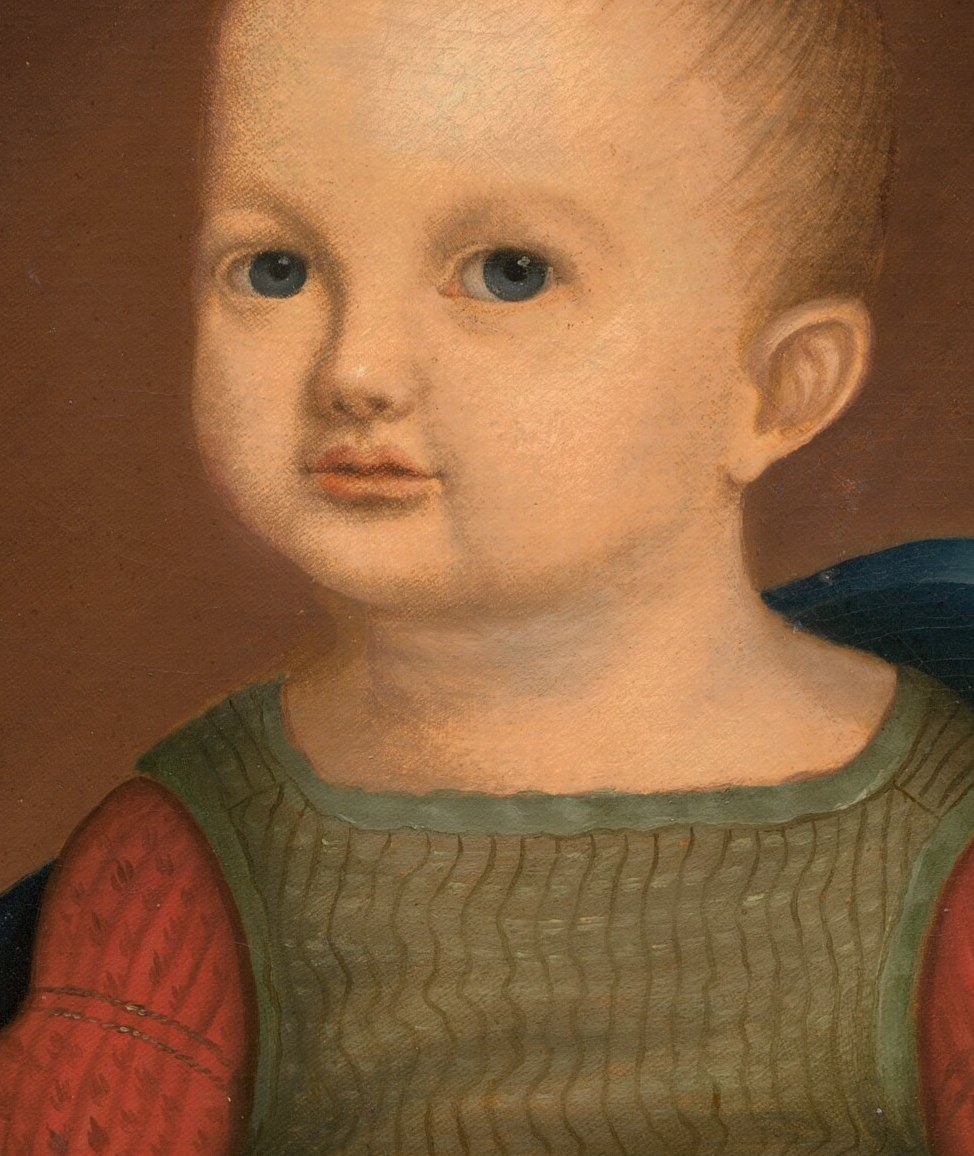
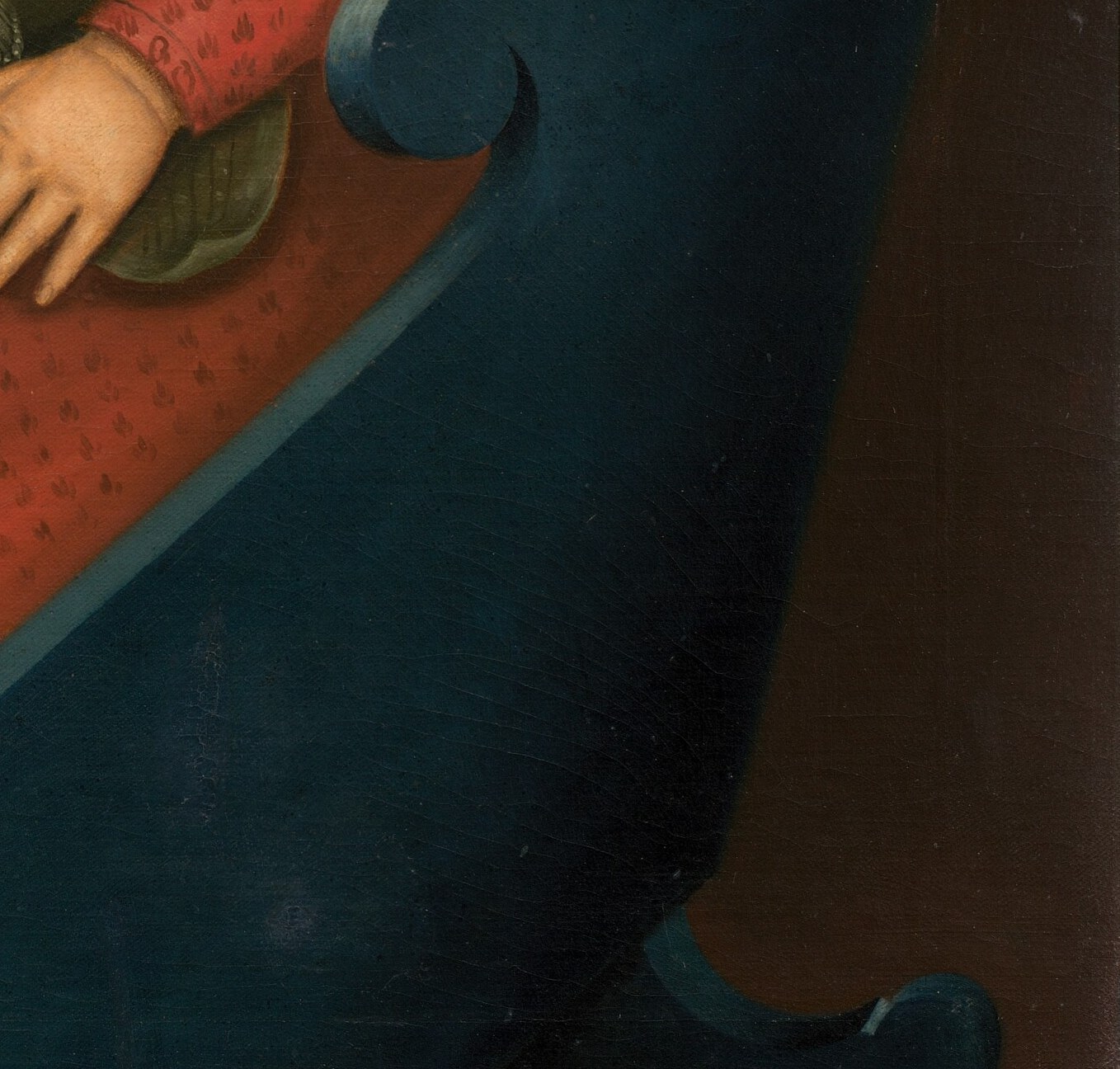
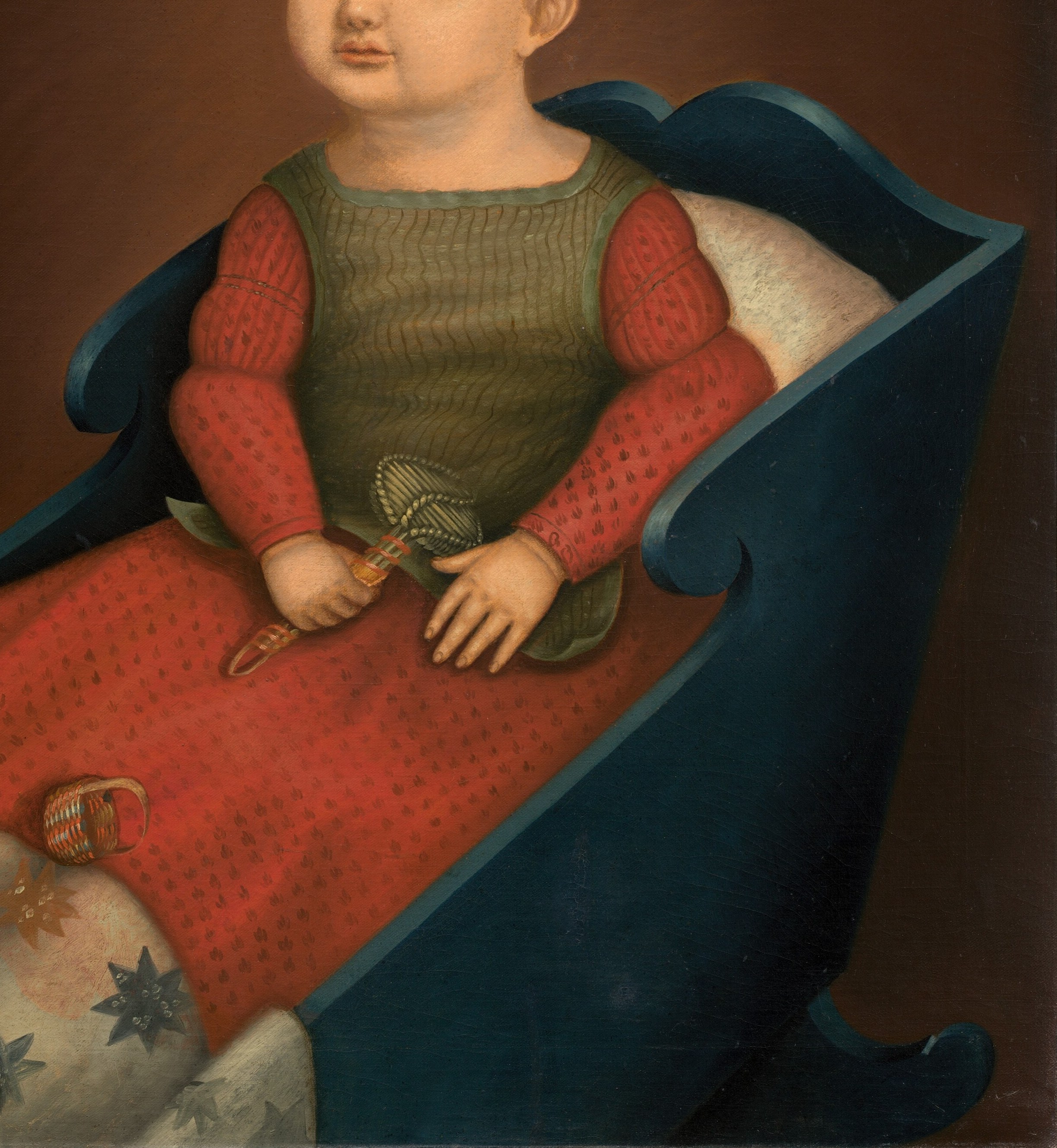
"Baby in Blue Cradle," painted around 1840 by an unknown American artist, is a poignant oil painting held in the National Gallery of Art. It captures a moment of serene innocence, focusing on the tranquil slumber of a newborn.
Look closely at the baby's delicate face and folded hands. The artist used thin, smooth layers of paint to achieve a remarkable softness, emphasizing the child's vulnerability and peacefulness.
During the 1840s, it was common for artists to depict intimate domestic scenes rather than grand historical narratives. This painting reflects that artistic interest, offering a quiet glimpse into the private life of the era.
This simple, yet deeply moving, composition continues to resonate, reminding us of the enduring beauty of new beginnings. What emotions does this peaceful scene evoke for you?
Details
Transcript
A baby sleeps, tucked in a blue cradle. Its peaceful face, illuminated by soft light. The artist applied thin layers of oil paint for this softness. Folded hands, so small and delicate. In the 1840s, such private moments were often painted. A quiet, universal image of new life.