Young Man and Woman in an Inn by Frans Hals
View the artwork: Young Man and Woman in an Inn →
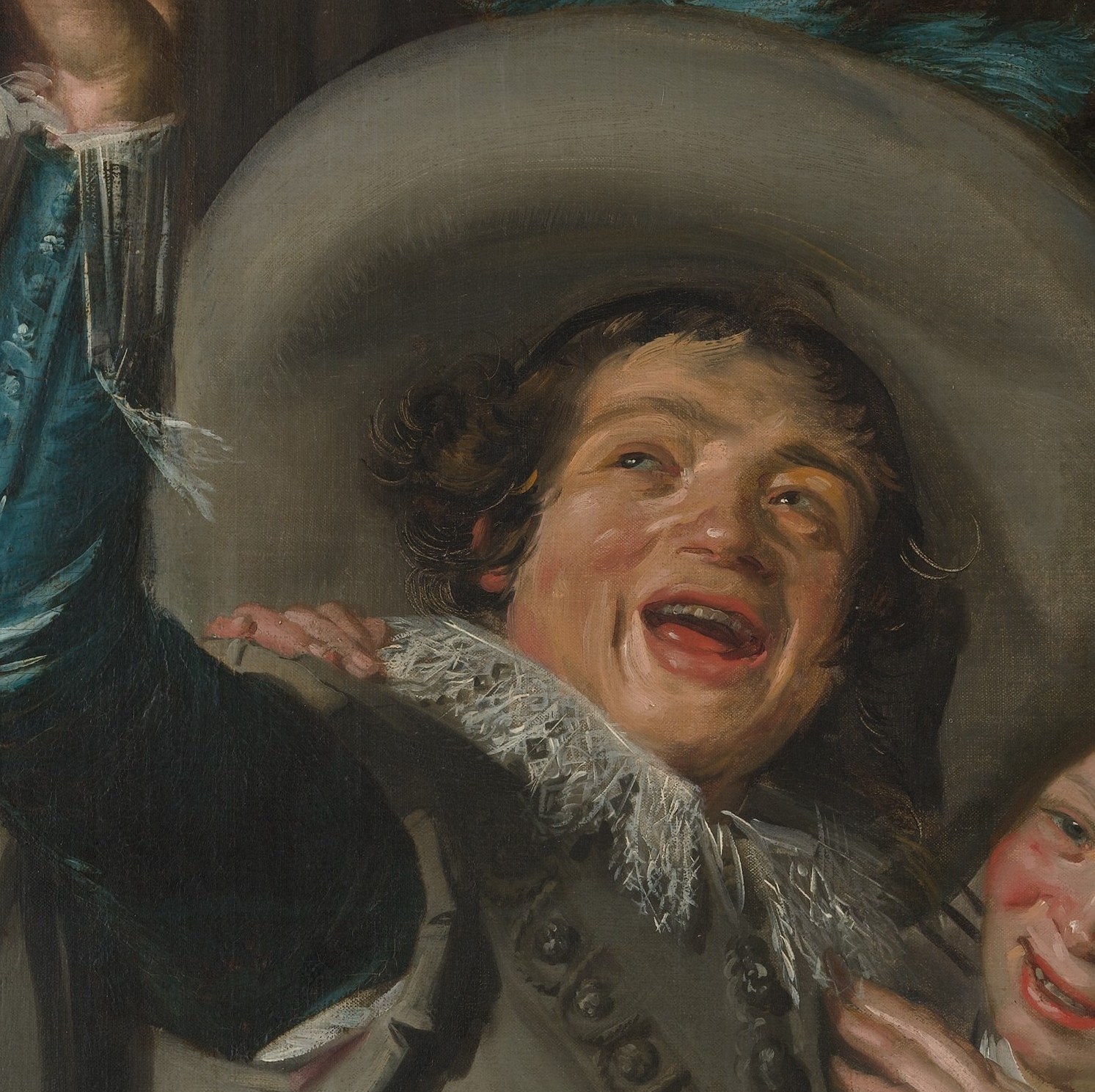
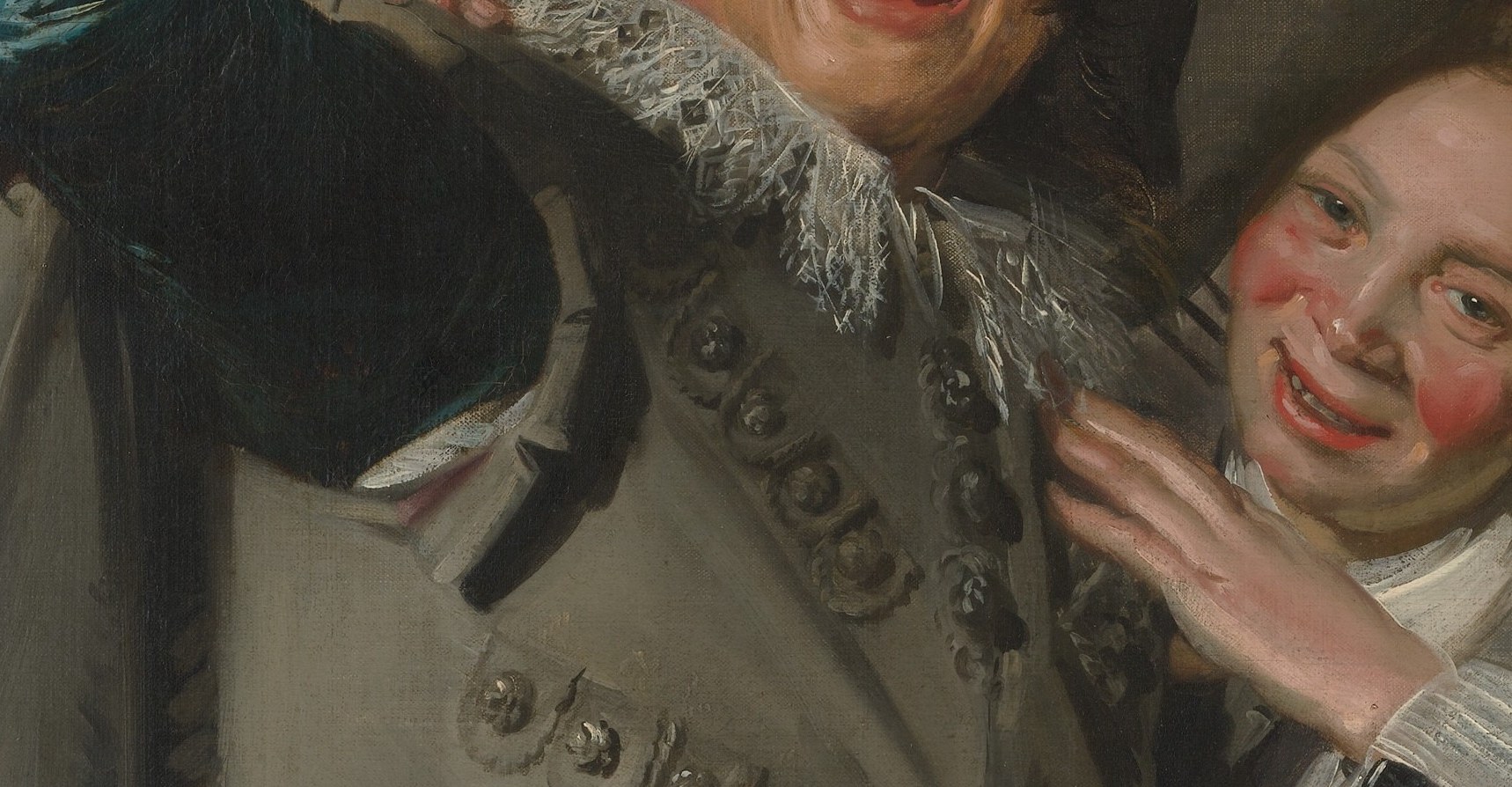
Frans Hals painted "Young Man and Woman in an Inn" in 1623, and it now hangs in the Metropolitan Museum of Art. The single most radical thing about it is that open mouth. In the early 1600s, a formal portrait kept the lips sealed. Teeth were vulgar. A painted smile was technically difficult to control and was read as a lapse in decorum, a fleeting grimace unworthy of a serious commission.
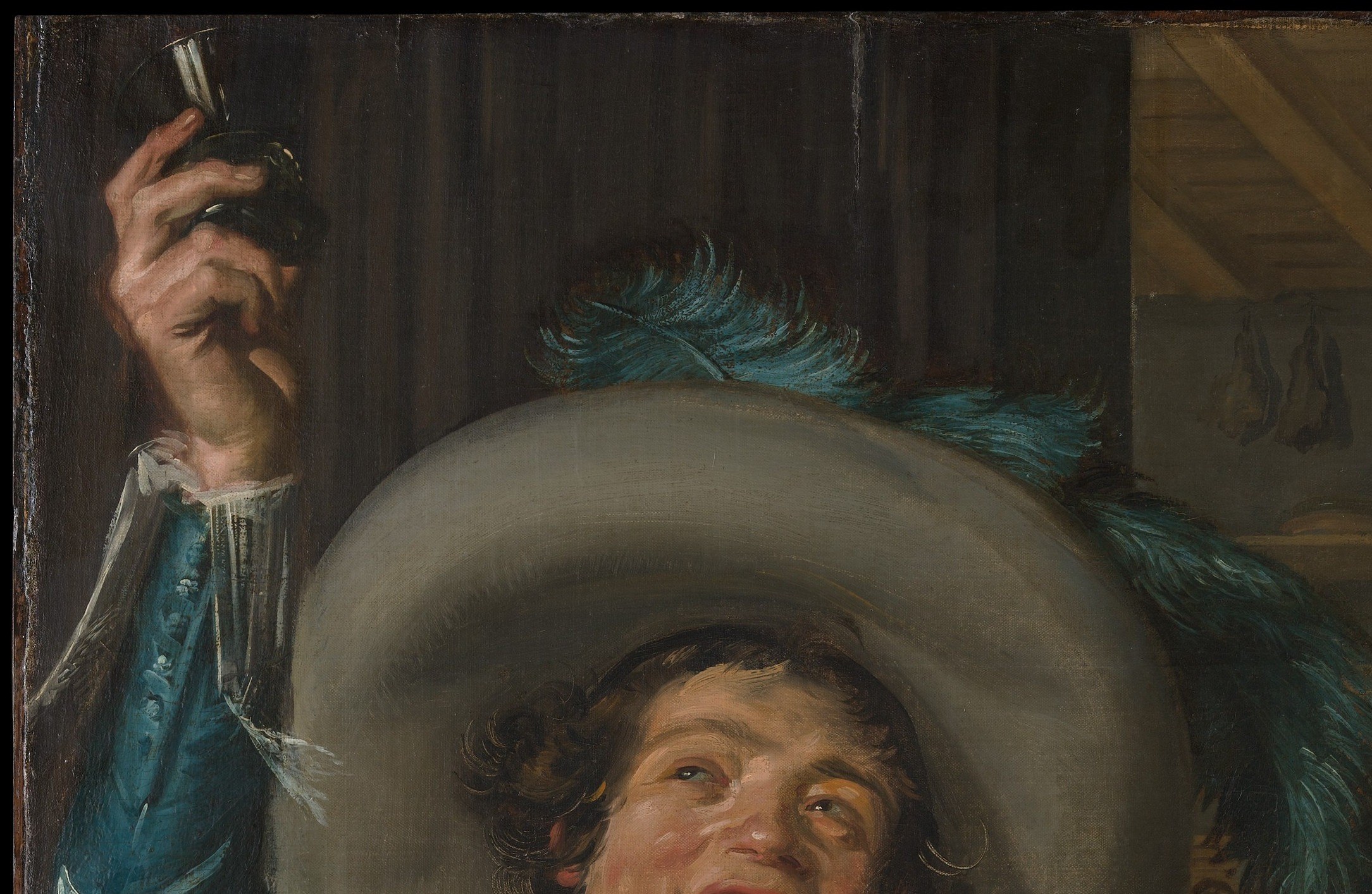
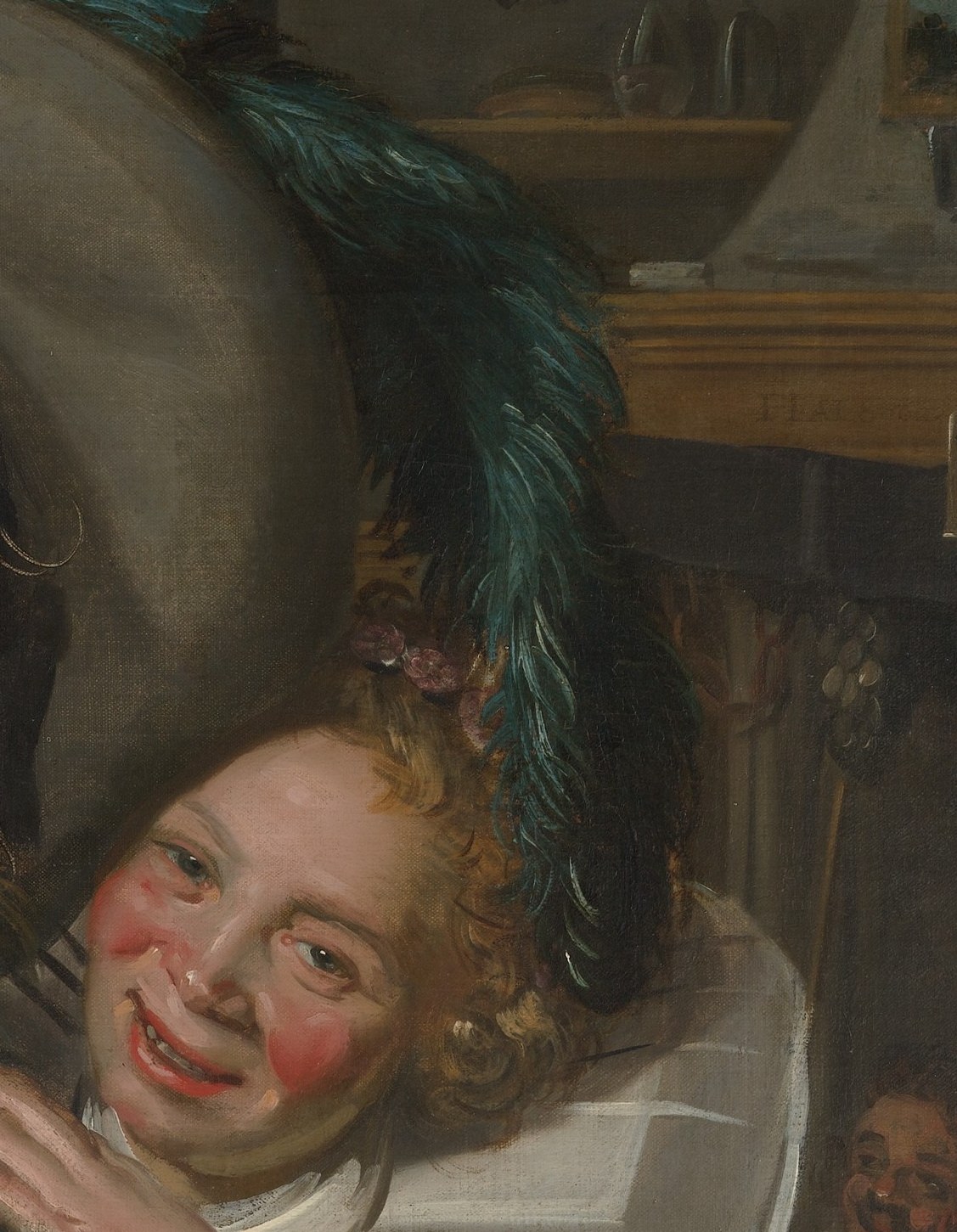
Hals ignored every bit of that. Look at the young man's bared teeth and the loose, almost Impressionistic brushwork on his raised sleeve. These are not accidents. Hals worked fast and wet into wet, dragging the brush to capture a passing expression rather than a frozen, eternal mask. Then look at the woman behind him. She peers over his shoulder with a knowing amusement that pulls you directly into the joke. She is not a prop. She is the narrative.
Hals lived this world. Born in Antwerp, his family fled Spanish rule and settled in Haarlem, a city that frowned on religious art but whose wealthy burghers wanted their homes filled with pictures. Here, in a tavern scene, Hals sidesteps the stiff, neat portraiture of his rivals and gives us a real night out. The shadowy drinkers in the background confirm it: this is a public inn, alive with noise and music.
He did not just break a rule. He replaced it with something warmer. He looked at a laughing friend and decided the whole moment was worth keeping.
#arthistory #franshals #dutchgoldenage
Details
Transcript
No one in 1623 painted teeth. A formal portrait kept the mouth closed. Always. Frans Hals didn't want formal. He wanted this. He painted a real laugh, with real teeth, in real oil paint. His loose brushwork caught a fleeting, living moment. She leans in. She's part of the joke, and she's letting you know it. Hals was 41. A struggling immigrant who finally found his way in Haarlem. He gave his subjects the full life he saw in them, and left the polished surface behind for good.