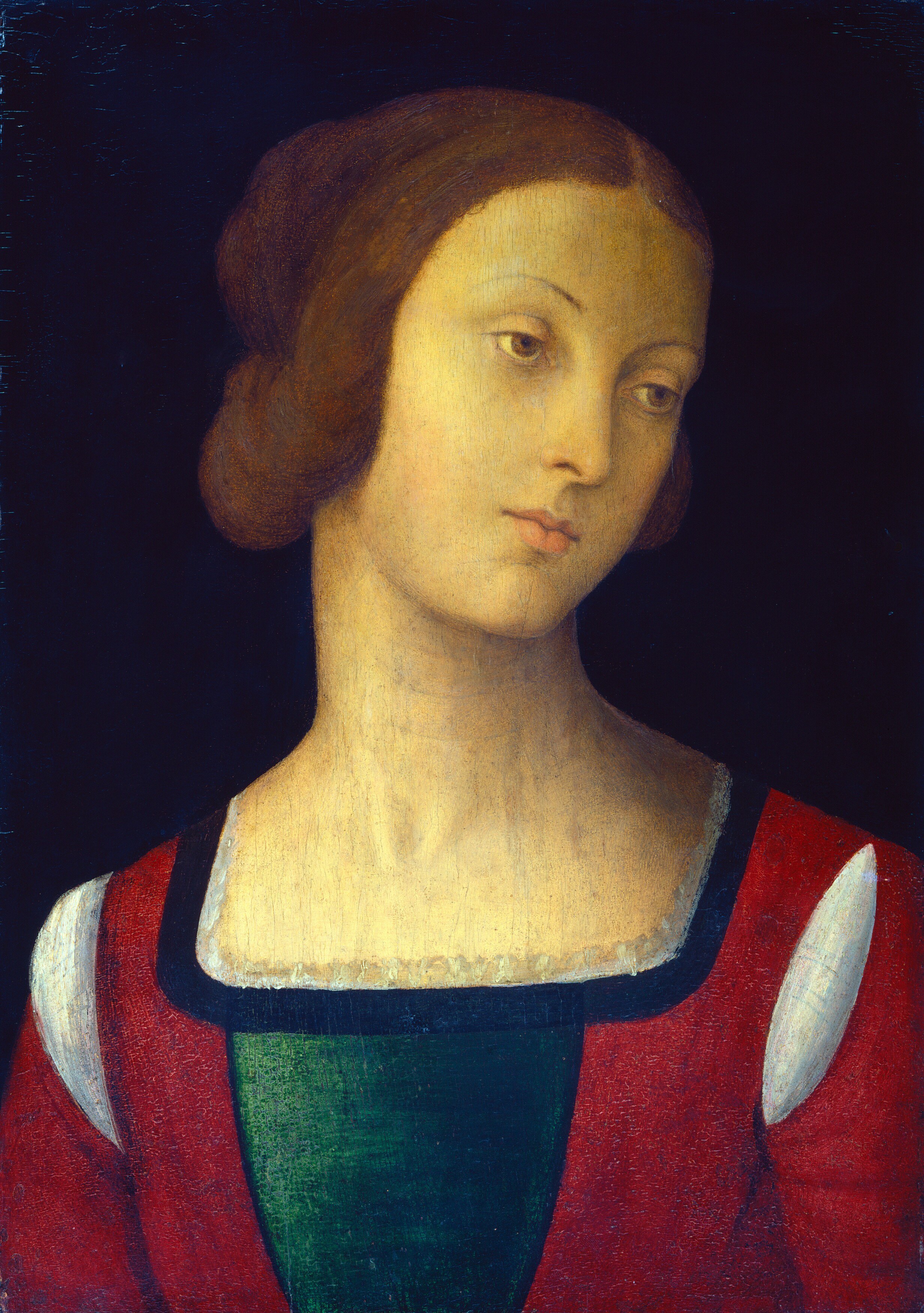
Head of a Woman by Umbrian 16th Century
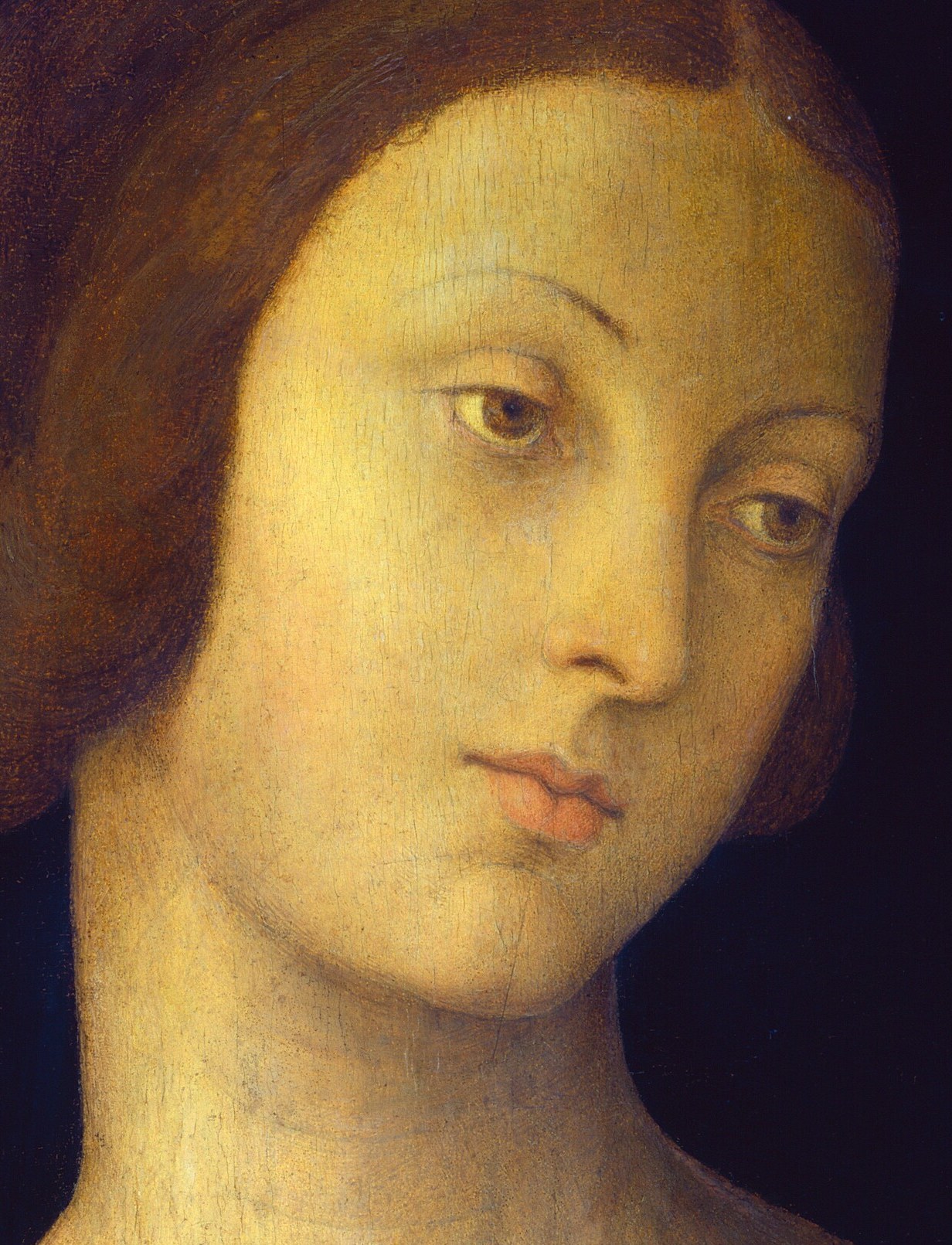
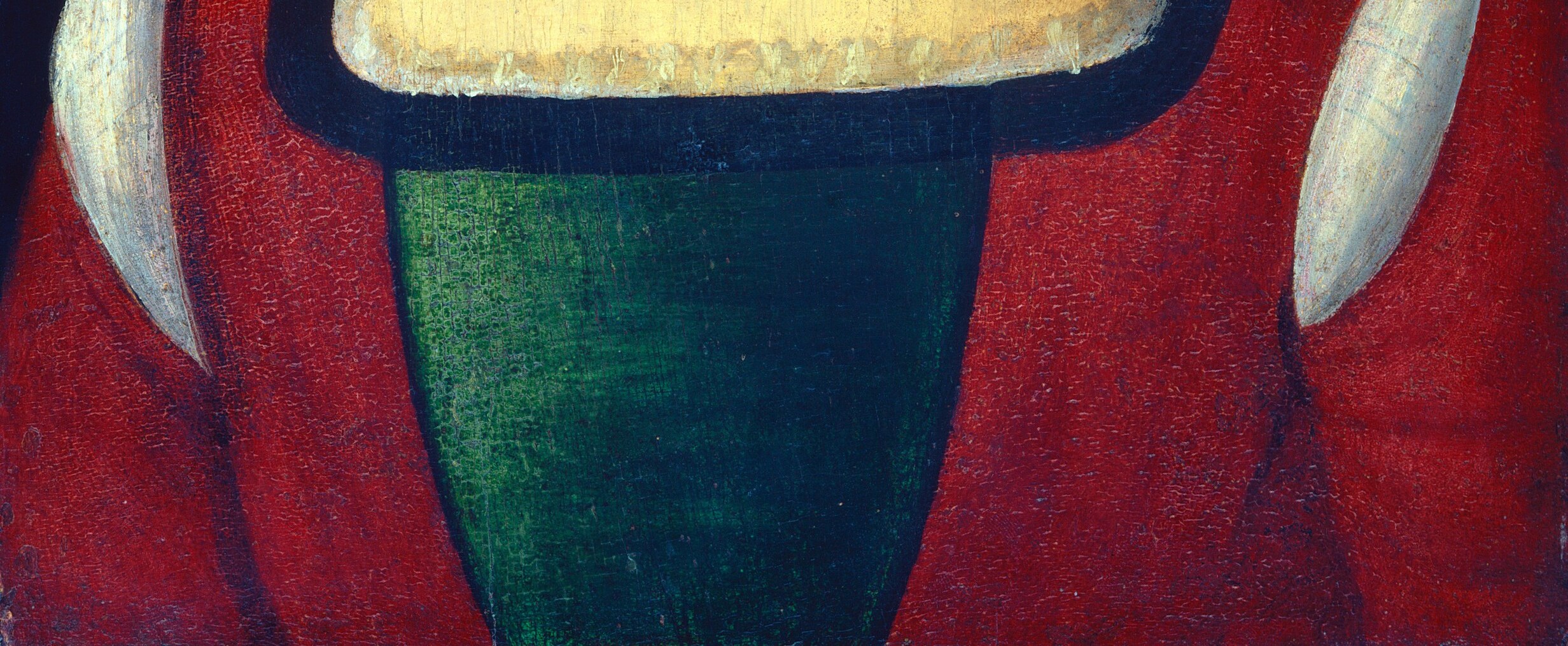
Once thought to be a lost masterpiece by Leonardo da Vinci, the 'Head of a Woman' (c. 1510/1520) by an anonymous Umbrian 16th Century artist, housed at the National Gallery of Art, Washington, D.C., carries a fascinating story of attribution and valuation.
Observe the woman's serene expression, often compared to the iconic Mona Lisa. The artist's use of chiaroscuro, a strong contrast between light and shadow, gives her face a sculptural quality, making her seem to emerge from the deep, dark background.
For decades, this painting baffled experts and excited collectors. Its stylistic similarities led to a mistaken attribution to Leonardo, driving its price to over 10 million dollars for one collector. However, rigorous examination later revealed it to be the work of a talented, yet unknown, Umbrian painter.
The painting's journey from a presumed masterpiece to an anonymous work highlights the complexities of art authentication and the enduring power of a compelling gaze, regardless of the artist's fame. What draws your eye to her face?
Details
Transcript
For decades, this painting was a puzzle. Notice her serene, almost Mona Lisa-like expression. Her hands are not shown. The background is a deep, dark void. Art dealers believed they had found a lost Leonardo. One art collector paid over 10 million dollars for it. Later, it was proven to be by an anonymous Umbrian artist. Her true worth is in the mystery, not the name.