Port by the Sea by Jan Peeters the Elder
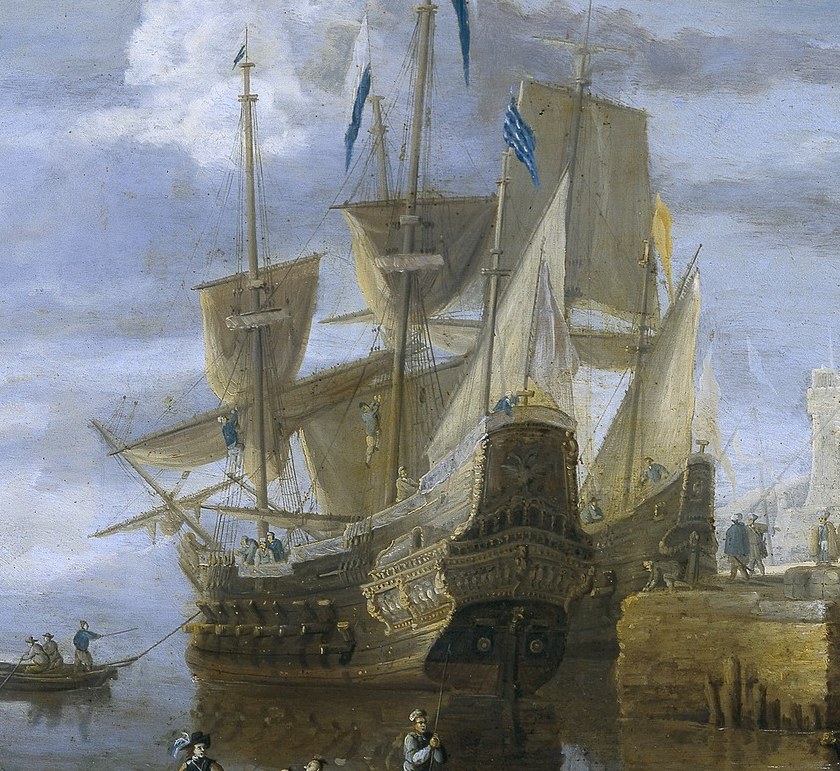
Jan Peeters the Elder's "Port by the Sea," painted in 1640, captures the bustling energy of a 17th-century harbor. This oil painting, part of the Flemish Baroque movement and held by the Museo del Prado, showcases the artist's early skill in depicting dynamic maritime environments.
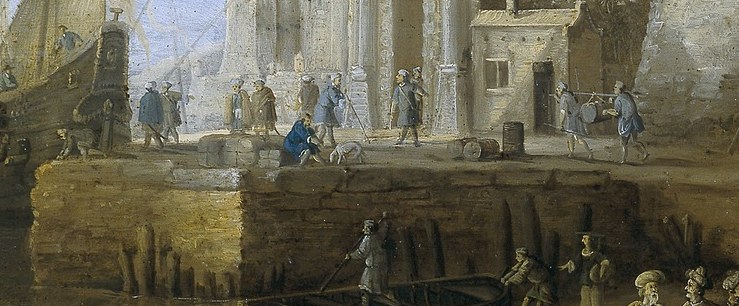
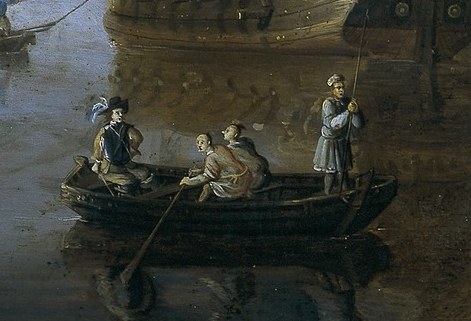
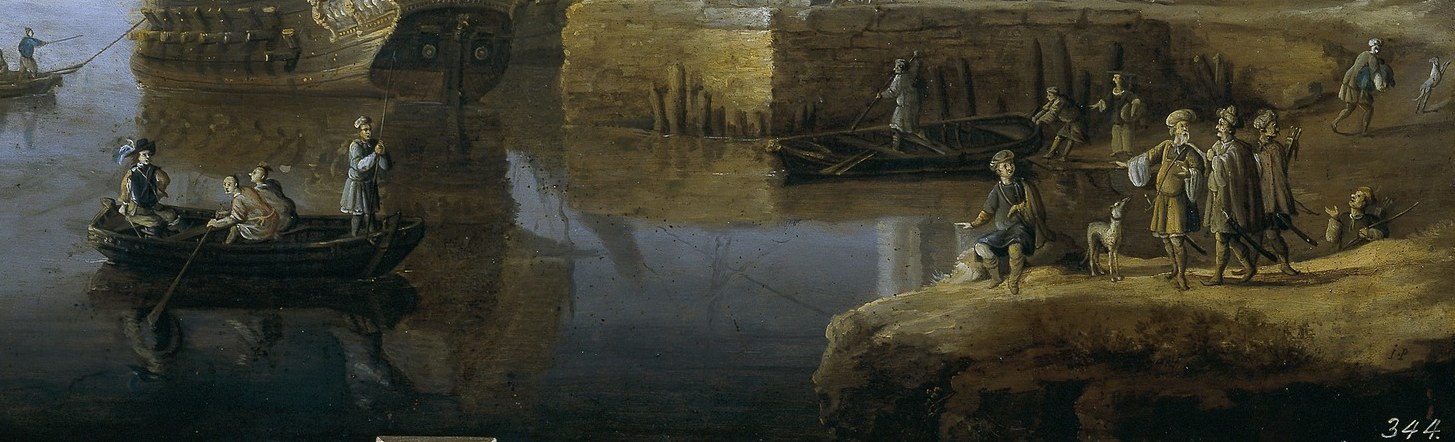
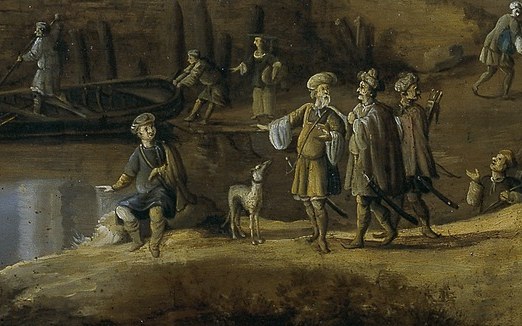
Look closely at the various figures on the dock and in the smaller boats. They bring the grand scene to life, illustrating the daily commerce and human activity that made these ports thrive, from laborers to those simply conversing.
Peeters specialized in seascapes and topographical works, often portraying the drama of the sea and coastal structures. This piece exemplifies his meticulous rendering of details, from the ships' rigging to the ancient, ruin-like quality of the stone tower.
It reminds us that even within the vastness of the sea, human stories and interactions are always at the heart of the narrative. What details do you notice?
Details
Transcript
In 1640, a young artist painted this lively port. He captures the sheer scale of maritime trade here. But look closer at the dock, filled with activity. People move goods, meet, and work on the water. This painter, Jan Peeters, specialized in seascapes. He found human stories even in vast, open seas.