River View by Corot, Jean-Baptiste-Camille
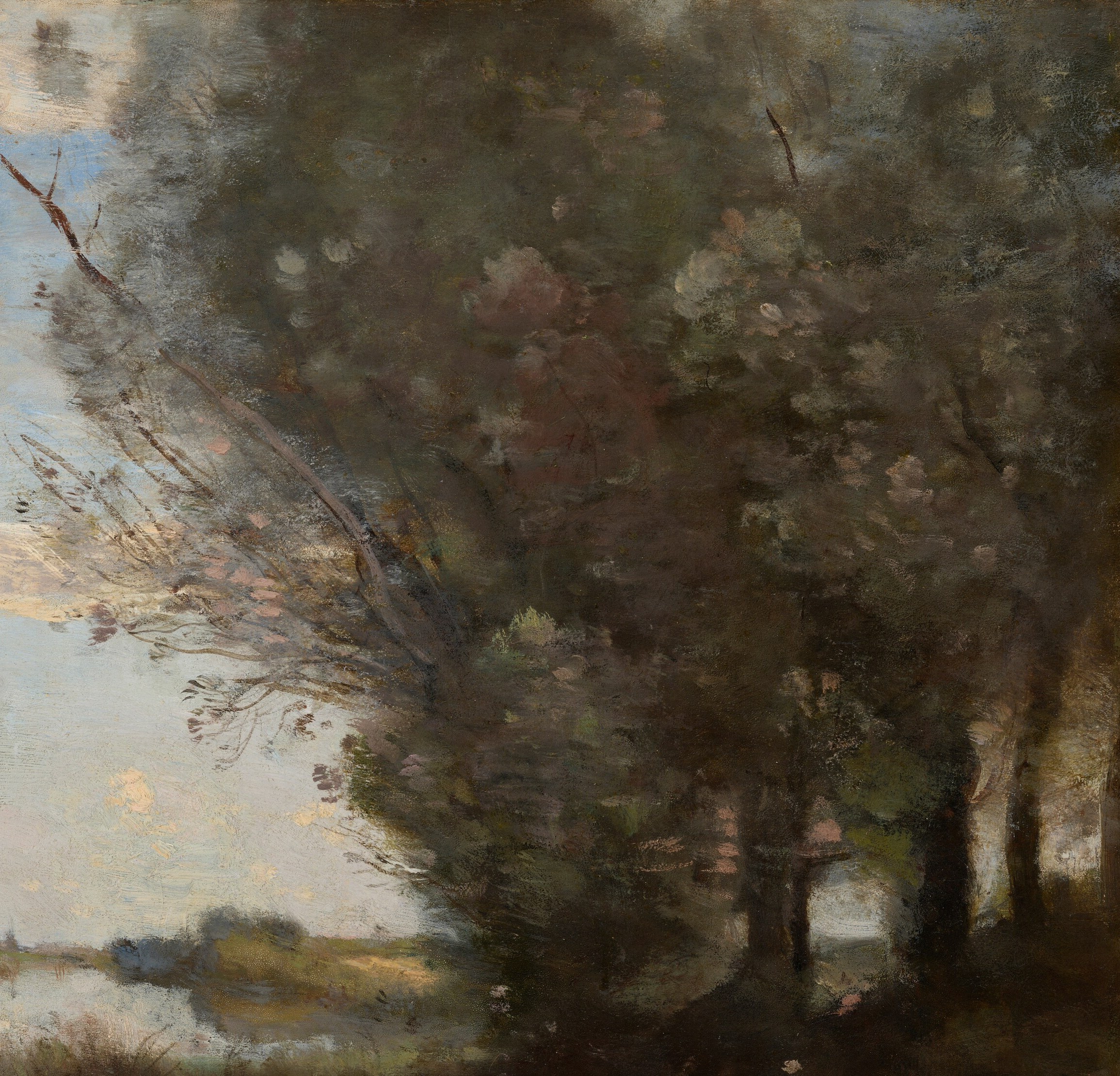
Jean-Baptiste-Camille Corot, the celebrated French landscape painter, had a unique method for authenticating his works, and it’s subtly present in his 1870 painting, *River View*.
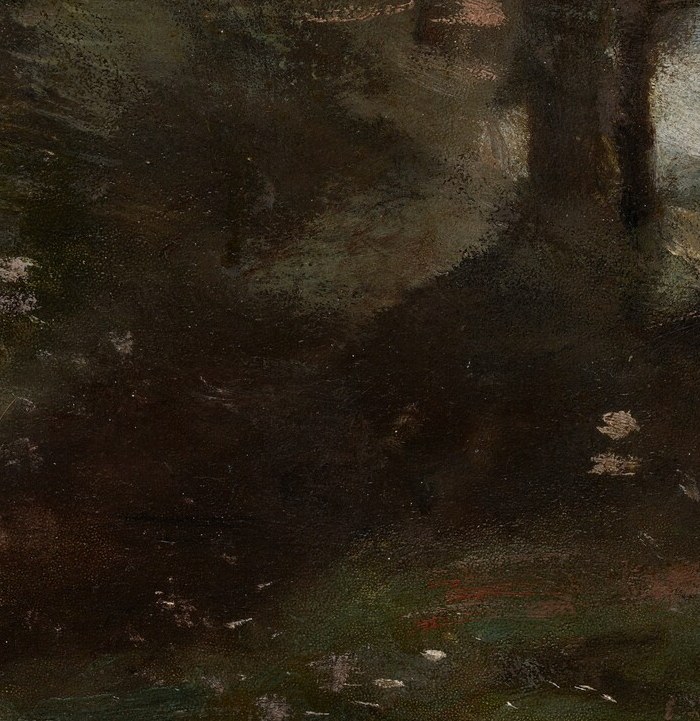
Look for the signature hidden within the darker areas, often along the trunks of trees or in the shadowed foliage. This practice became known as a 'Corot mark,' a distinct way he proved a painting was truly his.
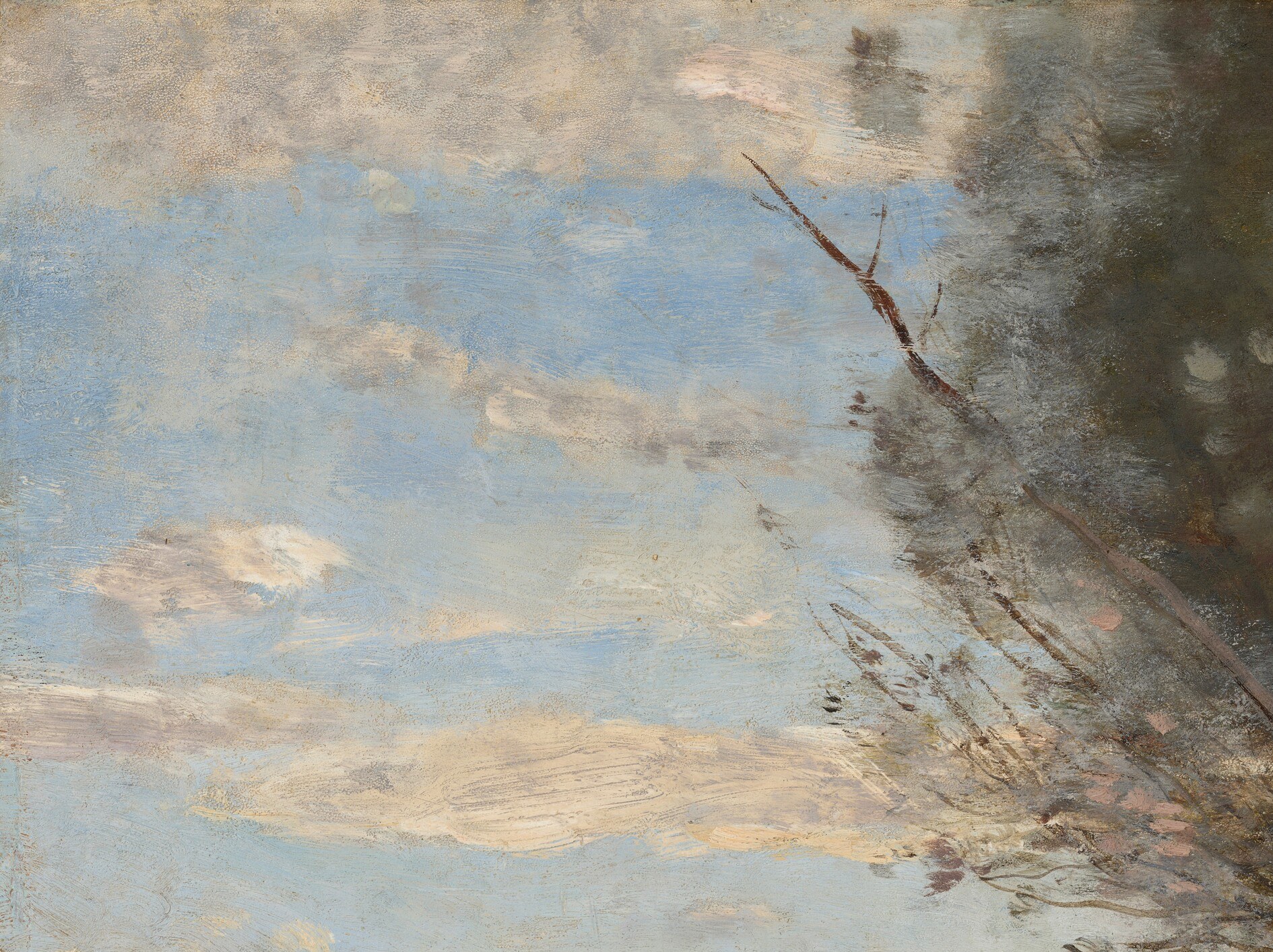
Corot was a pivotal figure in 19th-century art, bridging Neo-Classical traditions with the emerging plein-air techniques. His landscapes, like this tranquil oil on wood from the [Museum Name, if known, otherwise omit], are renowned for their serene atmospheres and masterful rendering of light and form. His foresight in authenticating his own art speaks to the value he placed on his creations and the challenges of the art market even then.
What other subtle details do you notice in Corot's *River View*?
Details

Transcript
This painter was obsessed with the value of his own work. He had an unusual way of signing to prove authenticity. Look closely at this prominent tree trunk. He often hid his signature within the dark tones of his paintings. This practice was so distinct it became known as a 'Corot mark.' It helped distinguish his authentic paintings from the many forgeries.