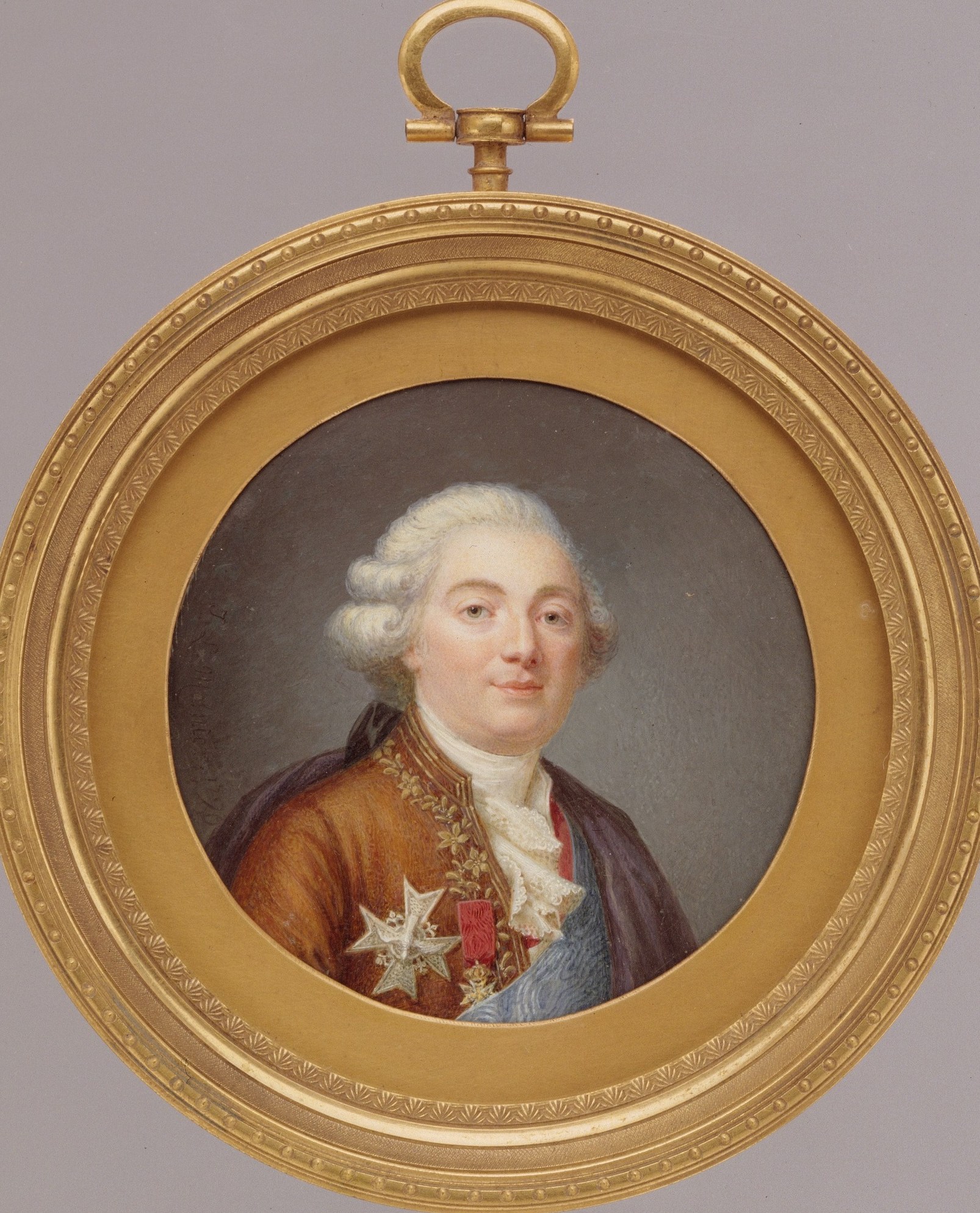
Louis XVI (1754–1793), King of France by Jean-Laurent Mosnier
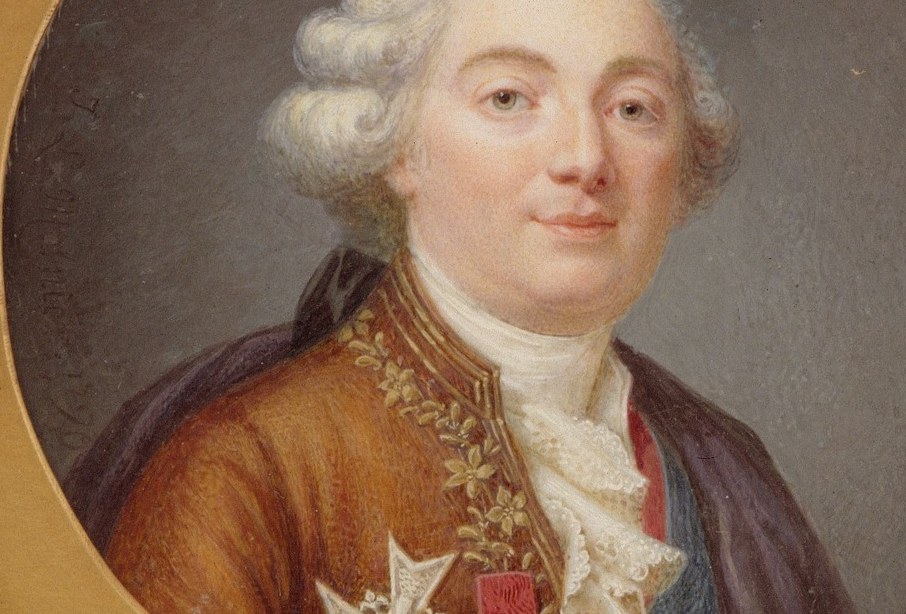
This miniature of Louis XVI was painted in 1796, three full years after the king was executed by guillotine during the French Revolution. The artist, Jean-Laurent Mosnier, had served as a court painter at Versailles before fleeing Paris. He painted the dead king from memory or earlier studies, now held at The Metropolitan Museum of Art.
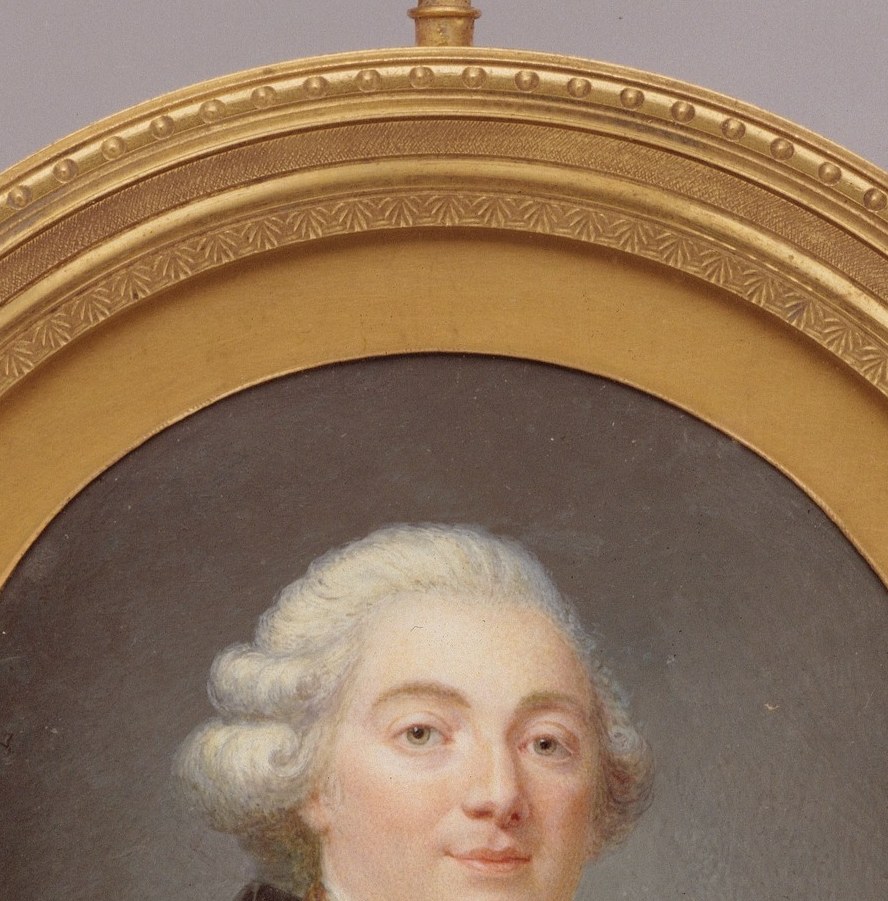
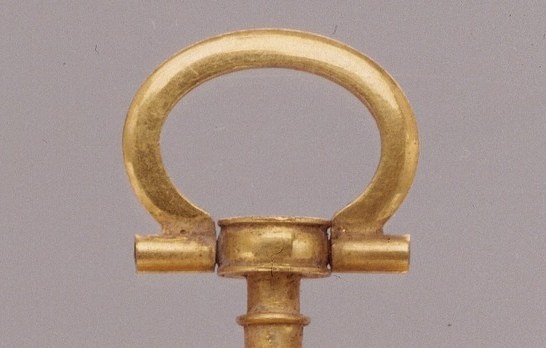
Look at the small ring at the top of the gilded frame. It reveals the object's original function: this was a wearable miniature, meant to be pinned to a coat or hung from a chain. It was made as a private mourning object, a quiet statement of loyalty in an era when royalism could be fatal.
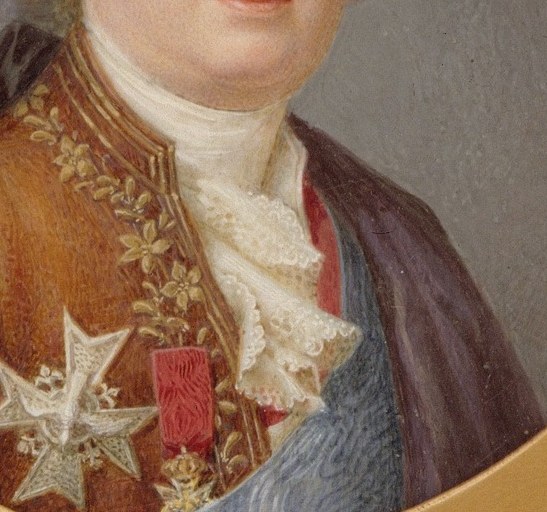
The king wears the blue sash and cross-shaped medal of the Order of the Saint-Esprit, the highest chivalric order of Ancien Régime France. The medal itself reads as a coded defense of divine-right monarchy, a dove descending on a white Maltese cross, worn by a man whose real body lay in an unmarked grave.
Mosnier never returned to France. He built a successful career in St. Petersburg painting Russian aristocrats. But this small circle of paint kept the old order close to someone's chest.
Details
Transcript
A king, painted in miniature. He wears the blue sash of France's highest order. On his chest: the Order of the Saint-Esprit. A symbol of divine-right monarchy. The date on the back is 1796. Louis XVI had been dead three years. The painter made this to be worn, not hung. A personal keepsake after the guillotine.