The Nativity by Juan de Flandes
In Juan de Flandes's "The Nativity," painted around 1514, the most striking feature is the ethereal glow emanating directly from the infant Jesus. This oil on panel painting, held in a private collection, showcases a masterful artistic technique.
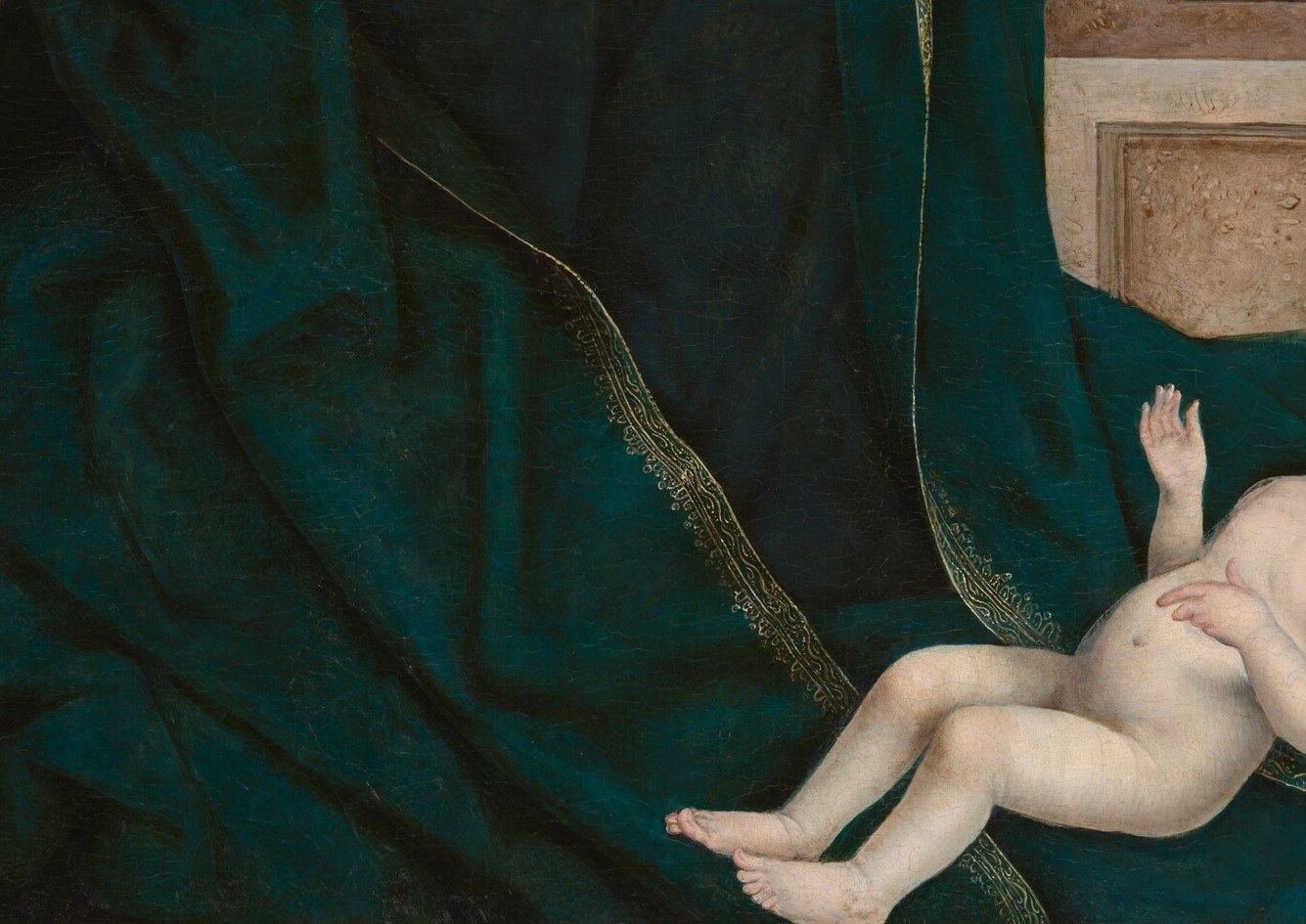
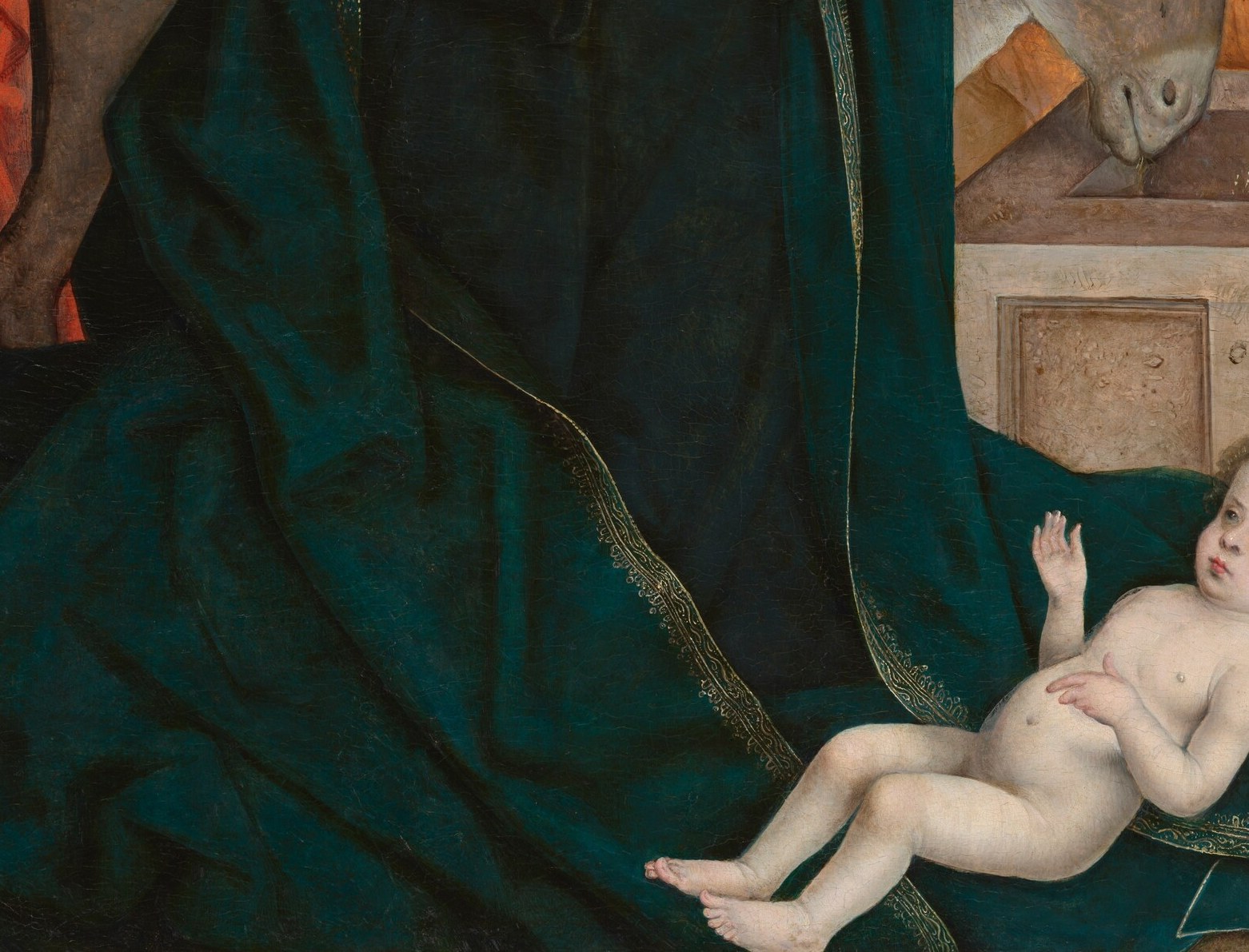
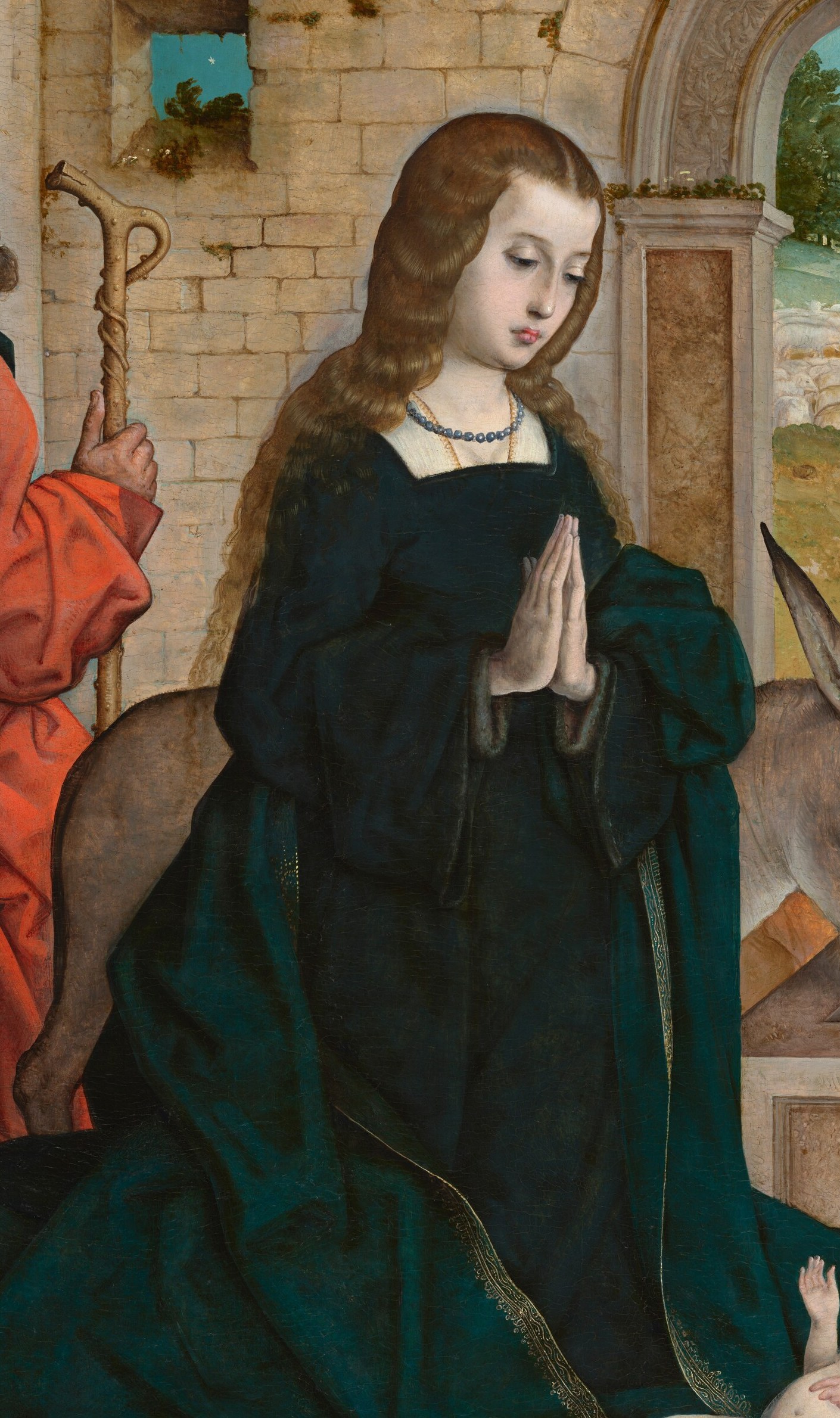
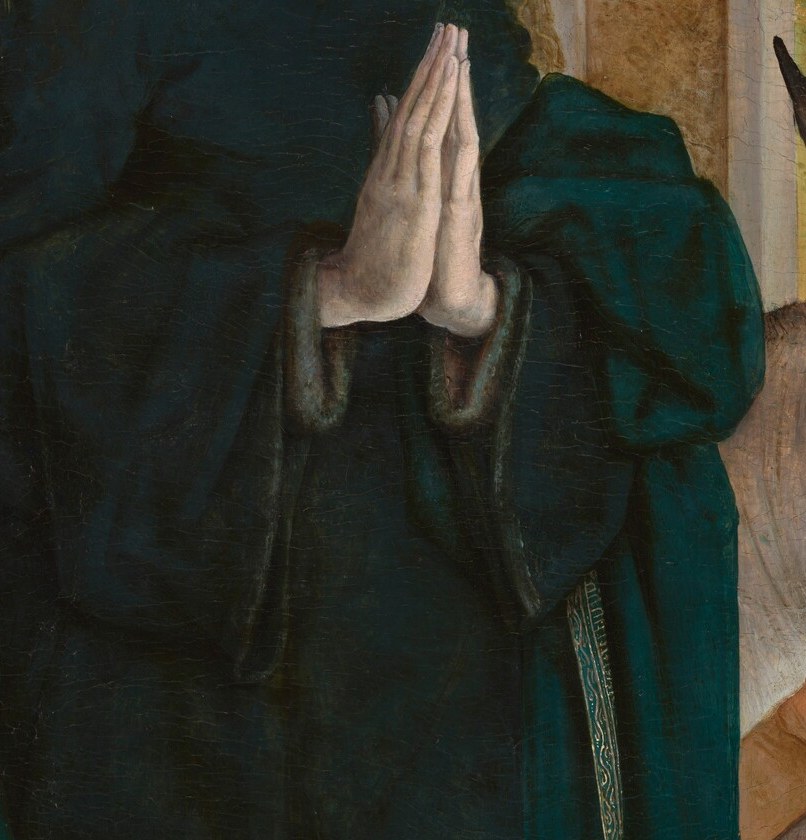
Observe how the light softly illuminates Mary's dark mantle, creating subtle highlights on the fabric's folds. The artist's skill in depicting this "Lichtgeburt" (light birth), where the child is the sole, internal light source, is truly remarkable, especially without any visible external lamp or candle.
Juan de Flandes, a Flemish artist working for the Castilian court, brought Netherlandish precision to his work. This painting, likely commissioned for a private chapel, allowed for intimate devotional viewing, where such detailed and luminous effects would have been deeply appreciated five centuries ago. The enduring vibrancy of the colors speaks to his mastery of oil on panel.
How do you think he achieved such a luminous effect with paint alone?
Details
Transcript
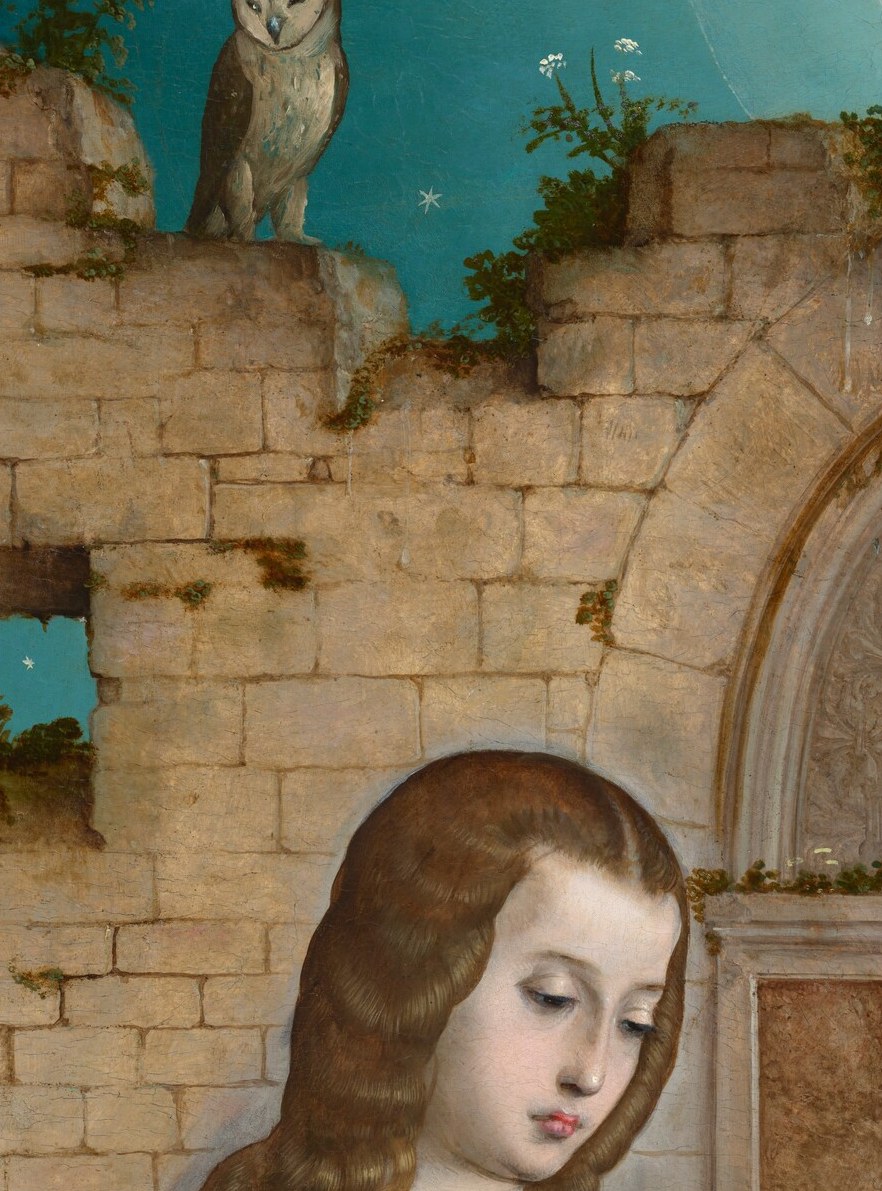
This painter was known for a specific trick of light. Look closely: the only light in the room comes from the infant. This technique, *Lichtgeburt*, makes the child glow from within. See how the warm light catches the folds of Mary's dark robe? He renders the light source, but paints no lamp or candle.