Rocky Landscape with Castle and Cascade by Jacob van Ruisdael
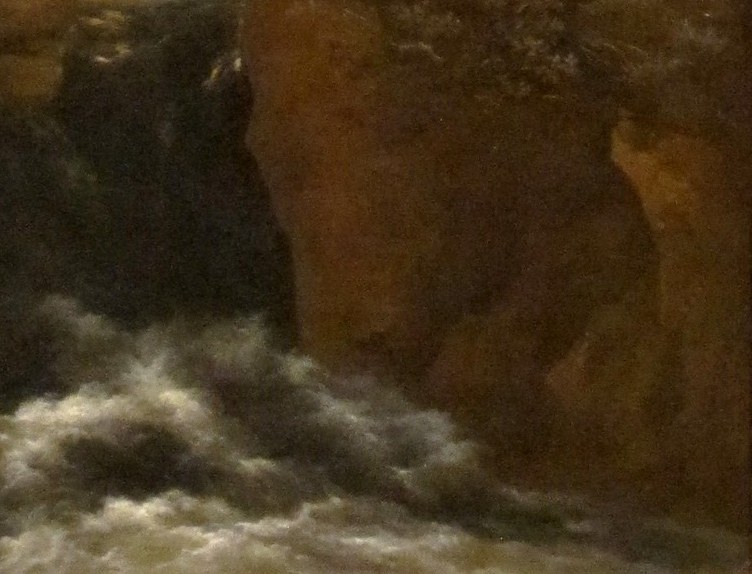
Jacob van Ruisdael's Rocky Landscape with Castle and Cascade, painted circa 1670 and held at the Art Institute of Chicago, is a masterful example of Dutch Golden Age landscape painting. Known for his dramatic and evocative scenes, Ruisdael often combined elements to create imaginary vistas that conveyed the sublime power of nature.
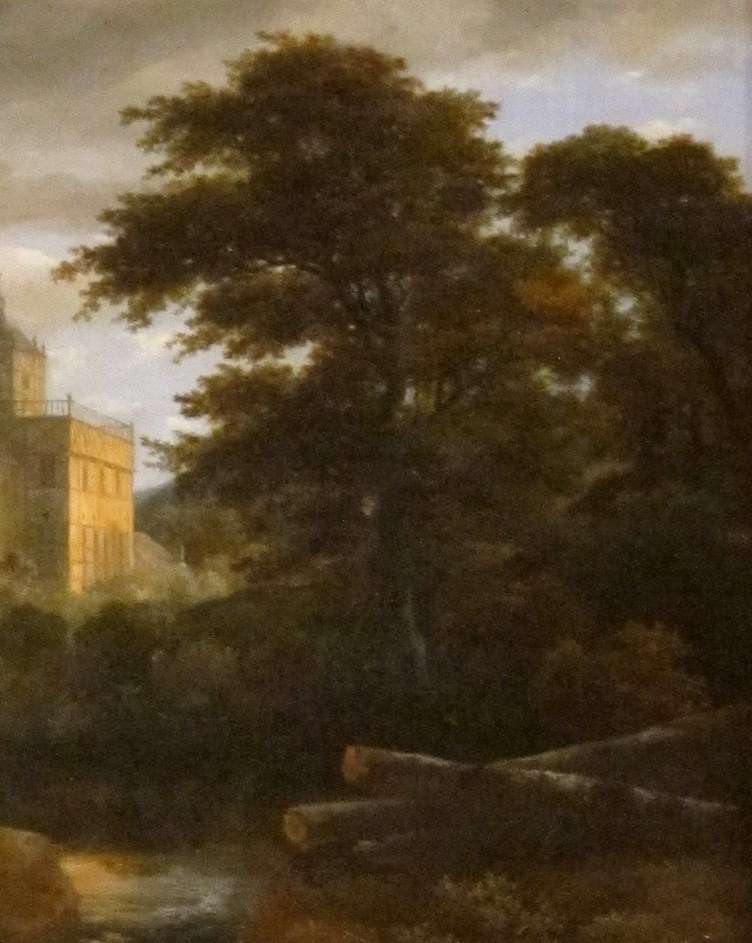
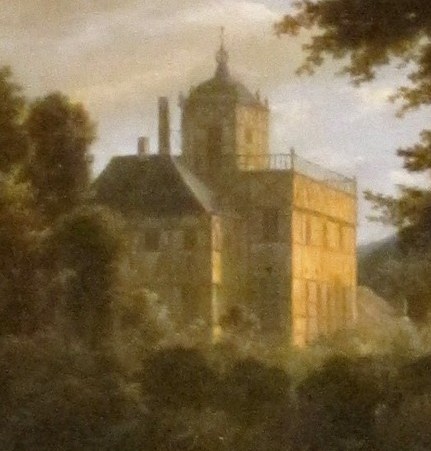
This painting is dominated by turbulent waters, dark boulders, and brooding clouds, drawing the eye towards a distant, light-kissed castle. But a closer look at the river bank on the right reveals a subtle detail: a pile of logs, suggesting a quiet human presence amidst the wild, untamed environment.
Ruisdael created this work towards the end of his prolific career, showcasing his precise observation and atmospheric depth. While not depicting a specific location, the painting reflects his ability to capture the interplay of light and shadow and varied textures, from the rough stone of the castle to the misty air of the valley.
What other small details do you notice that add to the painting's story?
Details
Transcript
This painter was famous for wild, dramatic landscapes. The scene is all turbulent water and heavy, brooding clouds. A fortified castle sits on a distant hill, catching the light. The painting was made around 1670, late in his career. But look closely at the river bank, on the right side. There, a pile of logs hints at human activity.