Portrait of a Woman, Said to Be Emily Bertie Pott (died 1782) by George Romney
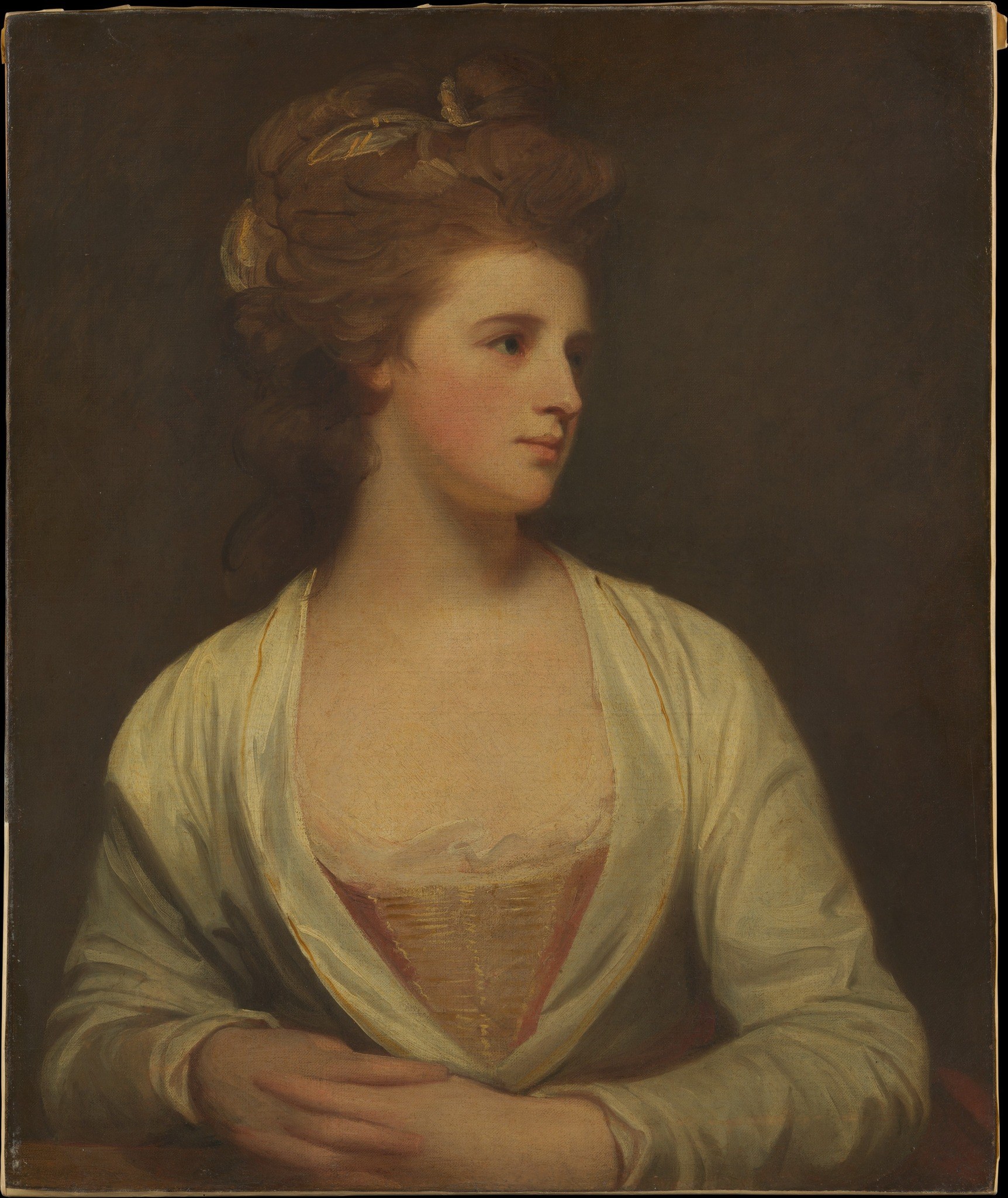
This intriguing portrait, "Portrait of a Woman, Said to Be Emily Bertie Pott," by George Romney (circa 1791) at The Metropolitan Museum of Art, hints at a hidden story beneath its elegant surface. Romney was a prominent English painter, celebrated for his ability to capture the likenesses of high society.
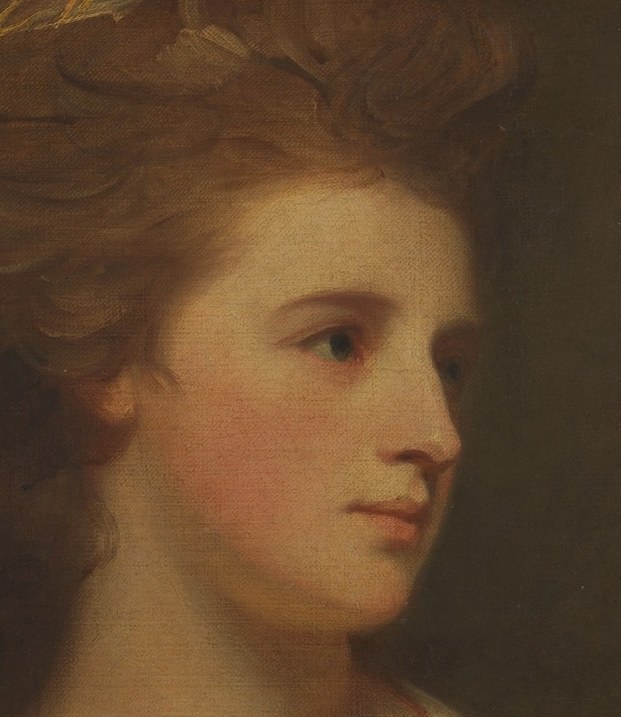
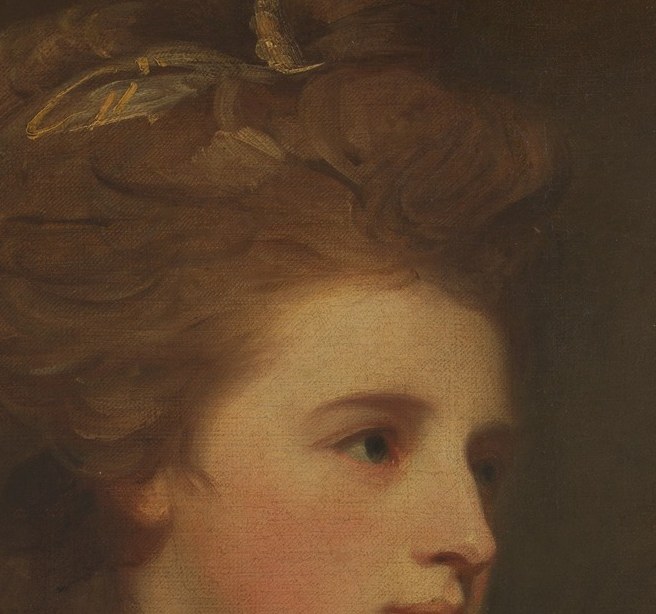
However, the identity of the woman in this painting, traditionally attributed to Emily Bertie Pott, suggests a more complex narrative. Pott was a known courtesan, a figure whose wealth and public life often challenged the rigid social conventions of 18th-century England. Notice her elaborate coiffure and luxurious gown; these elements speak to her status and the life she led.
Romney's portrayal is notable for its apparent lack of judgment, capturing a figure often marginalized by polite society with dignity and grace. His smooth brushstrokes and subdued background draw all attention to her contemplative expression, inviting the viewer to look beyond superficial labels. The painting stands as a fascinating example of how art can subtly reflect and comment on the social dynamics of its time. What do you see in her expression?
Details
Transcript
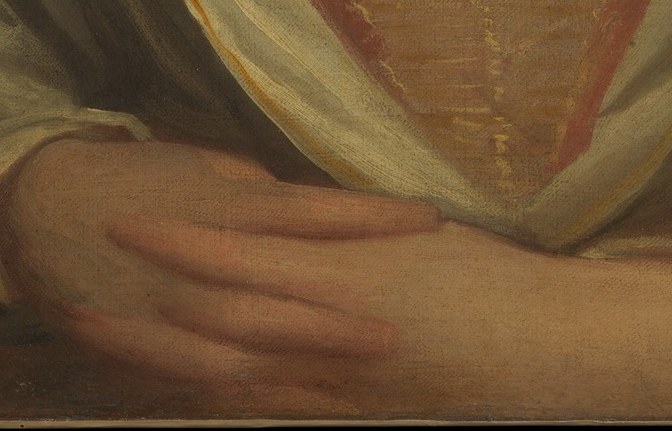
This painter was famous for society portraits. But the woman in this painting was scandalous. She is said to be Emily Bertie Pott, a courtesan. Her gown and elaborate hair signal wealth, not modesty. Her hands are relaxed, almost inviting. The artist captured her true station without judgment.