The Chaperone by Eakins, Thomas
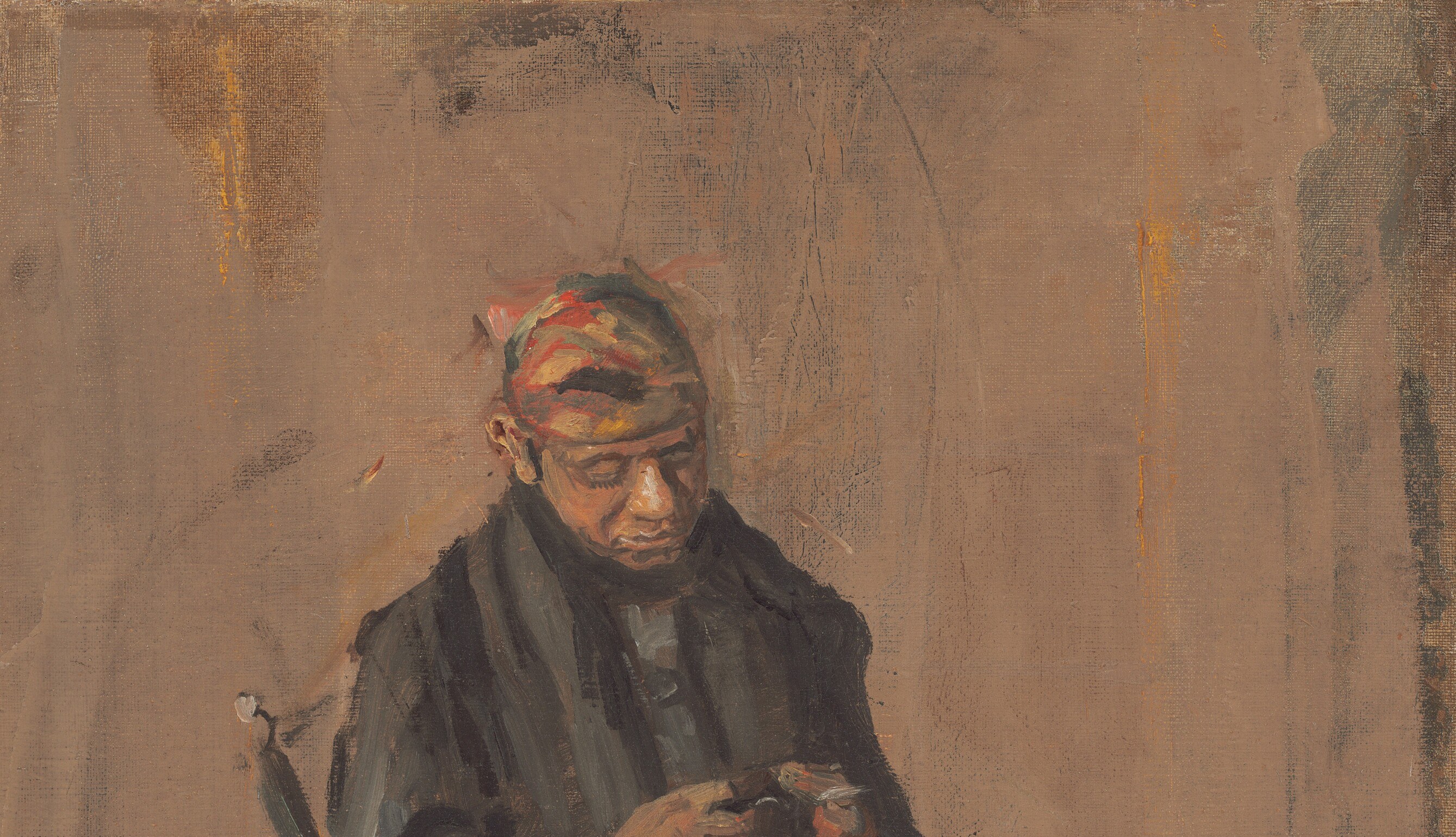
Thomas Eakins' "The Chaperone," painted around 1908, captures a quiet, intimate moment in an American home. This oil on canvas, housed in a private collection, offers a glimpse into domestic life in the early 20th century.
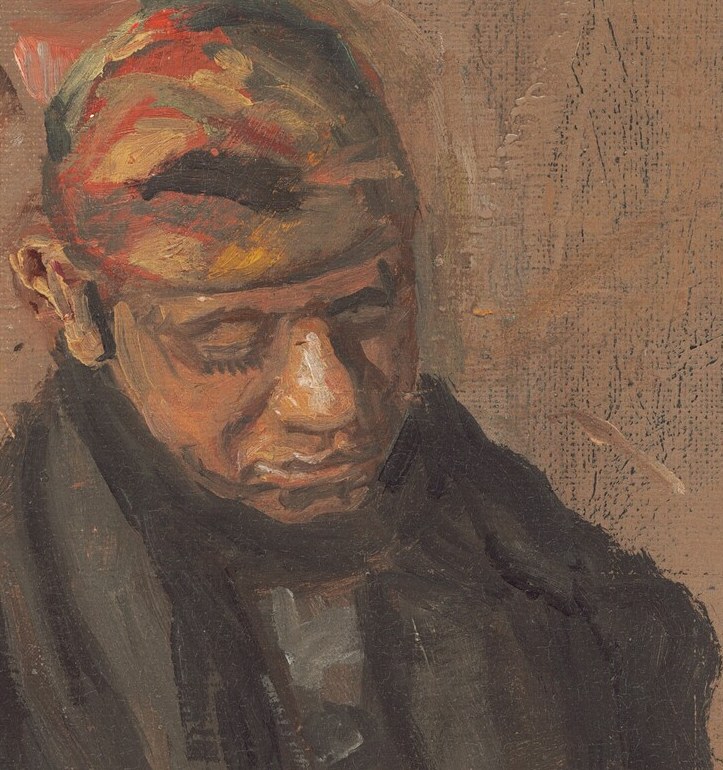
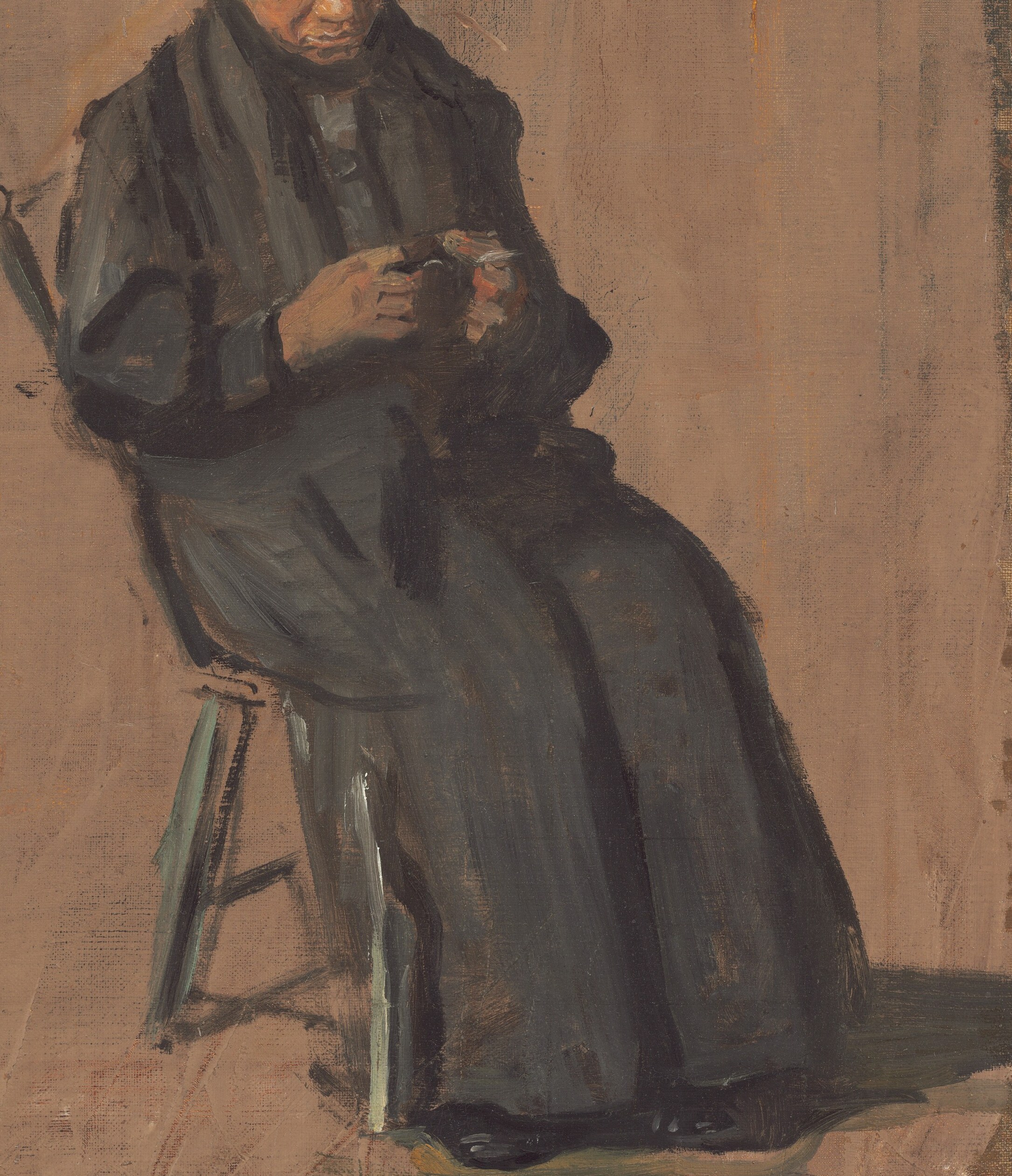
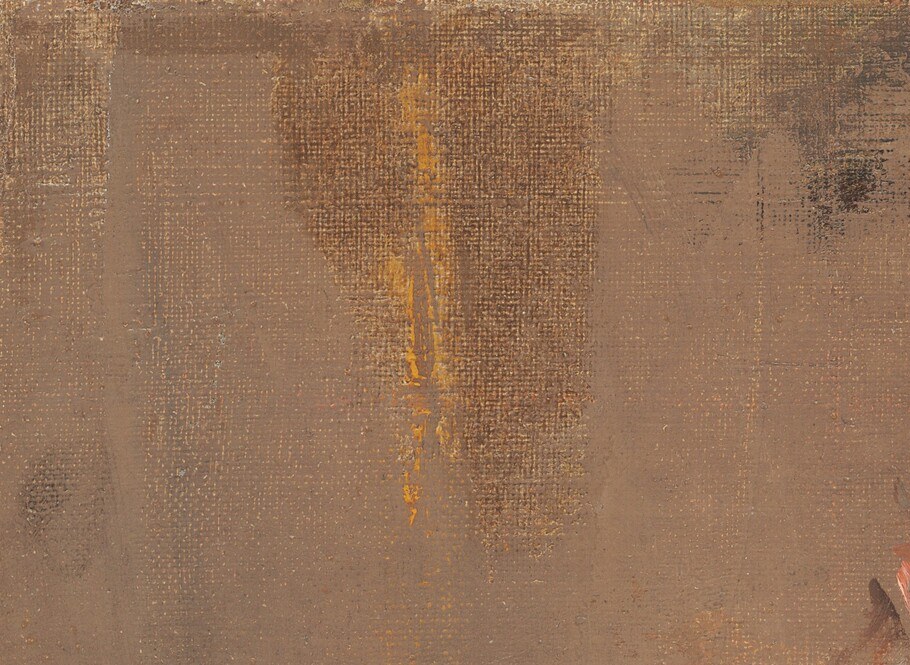
The painting shows a woman, likely a chaperone, observing a young girl at the piano. Eakins' characteristic anatomical precision is evident in the figures, while the restrained brushwork, particularly visible in the background, emphasizes realism and an unembellished atmosphere.
Created near the end of Eakins' career, this work reflects his long-standing interest in everyday scenes and his commitment to scientific exactitude, themes that also informed his teaching. The scene speaks to the social customs of the era, focusing on education and refinement.
What details do you notice that bring this historical moment to life?
Details
Transcript
Around 1908, a quiet scene in an American home. The chaperone watches intently as a young girl plays piano. Her folded hands convey a sense of stillness. This painter was known for anatomical precision and realism. Notice the visible brushstrokes, highlighting the artist's process. His late work focused on unembellished, everyday atmospheres.