Mother and Child by American 19th Century
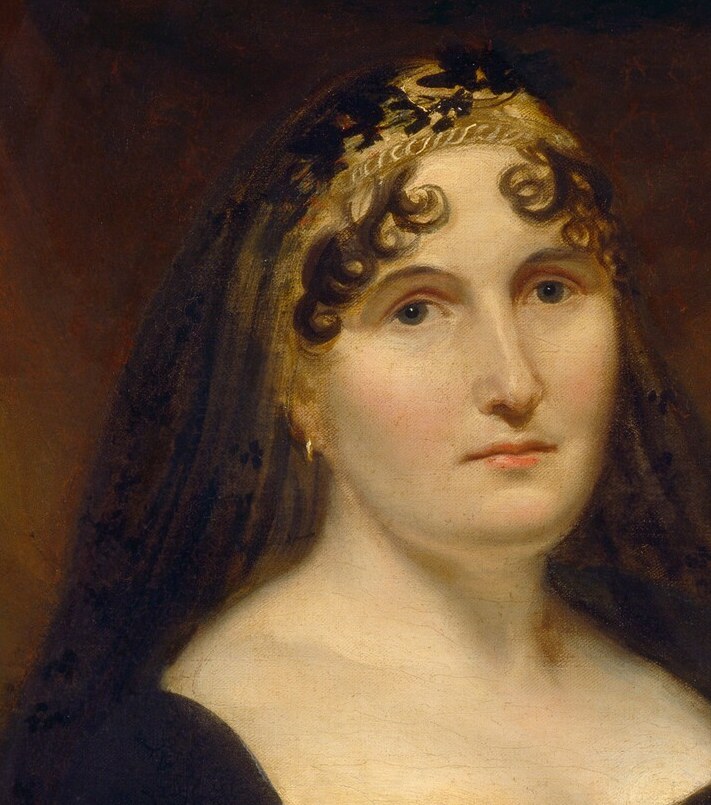
This striking "Mother and Child" portrait, painted around 1810 by an anonymous American 19th Century artist, is more than just a depiction of a family; it's a coded message about wealth and social standing. Currently housed in a private collection, this oil on canvas work subtly communicates its subjects' status through carefully chosen details.
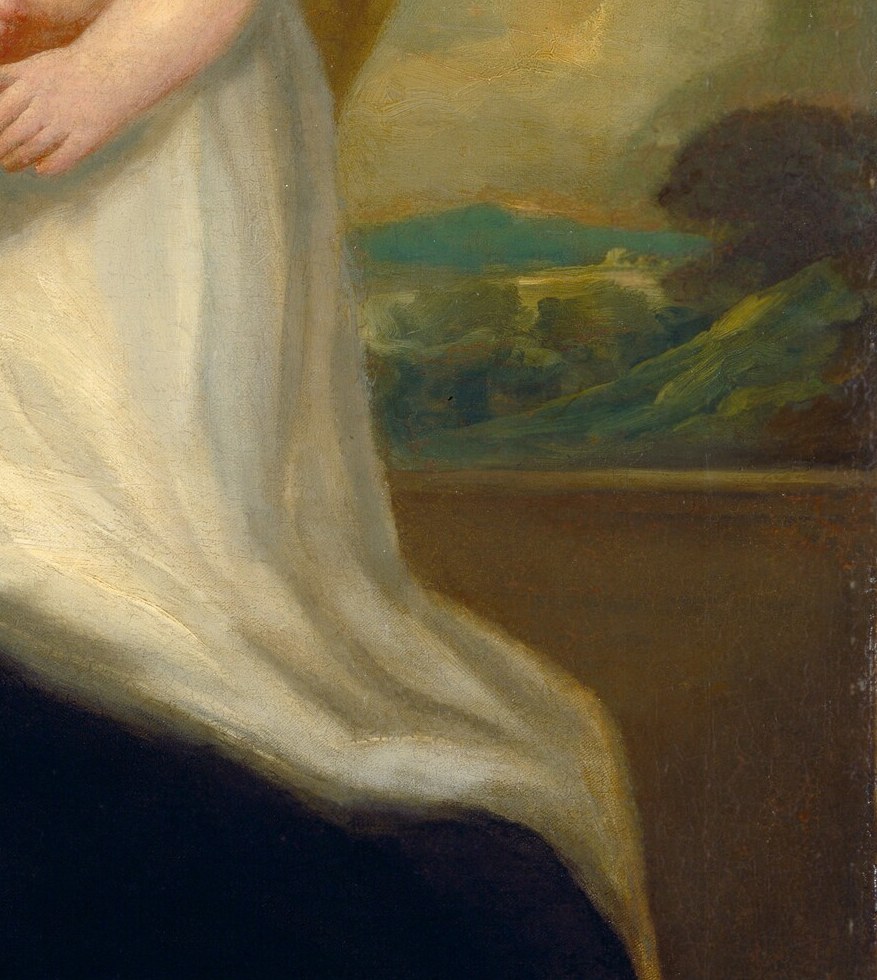
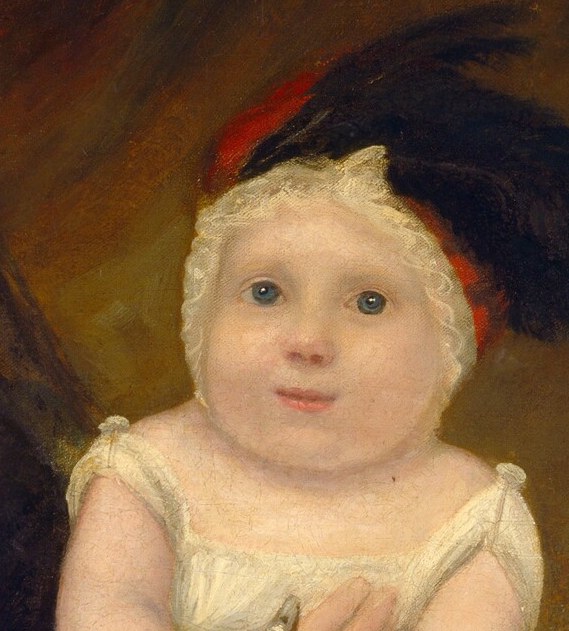
Observe the child's black feathered hat, a clear indicator of fashion and the family's financial prosperity. The ornate lion's paw detail on the chair armrest further reinforces this message, symbolizing strength, nobility, and power. Even the serene, distant landscape suggests extensive land ownership.
Such symbolic elements were common in portraiture of the era, allowing patrons to convey their position in society without explicit declarations. The artist's use of a subdued palette and soft shadows draws the eye to these significant details, ensuring their quiet message is clearly understood.
What other subtle symbols do you think artists used to convey status in historical portraits?
Details

Transcript
This quiet portrait holds a secret language. The child's black feathered hat, for instance, means more than fashion. It symbolizes a family's wealth and high social standing. Look closely at the chair armrest, carved with a lion's paw. The lion represents strength, courage, and nobility. Even the landscape glimpse suggests a family's vast land ownership. Every detail quietly proclaims this family's status.