Acantilados (Guéthary) by Carlos de Haes
Carlos de Haes was a pivotal figure in Spanish art, bringing a fresh, realistic approach to landscape painting and profoundly influencing his contemporaries. His work, *Acantilados (Guéthary)*, painted in 1891, is a prime example of his dedication to depicting nature directly and is housed in the prestigious Museo del Prado.
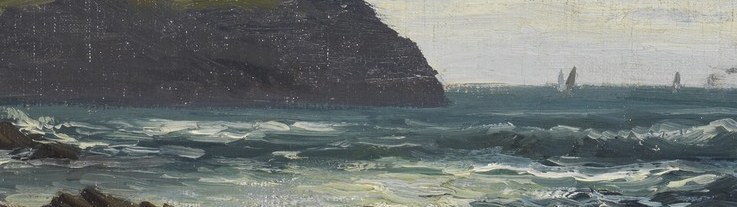
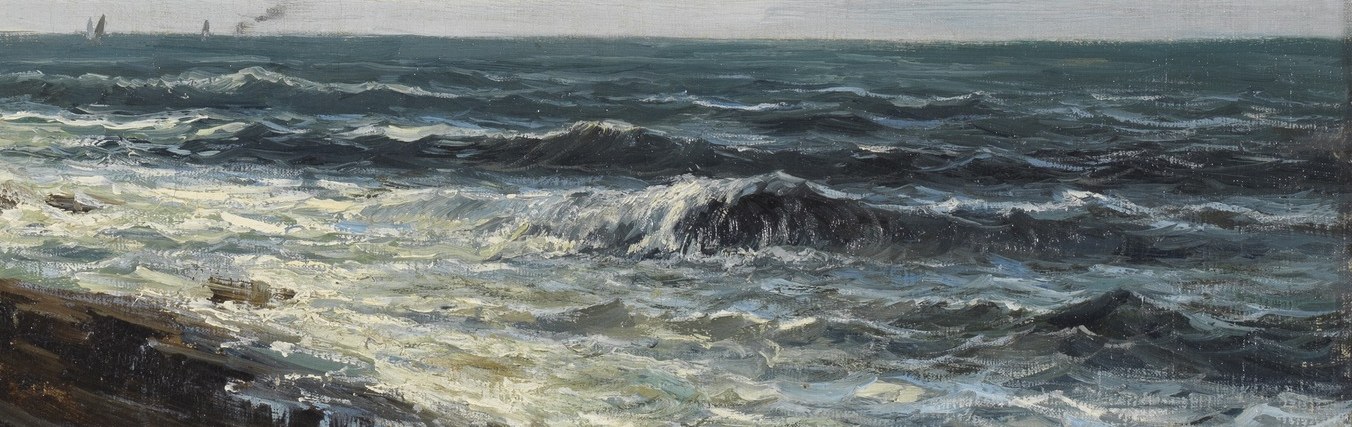
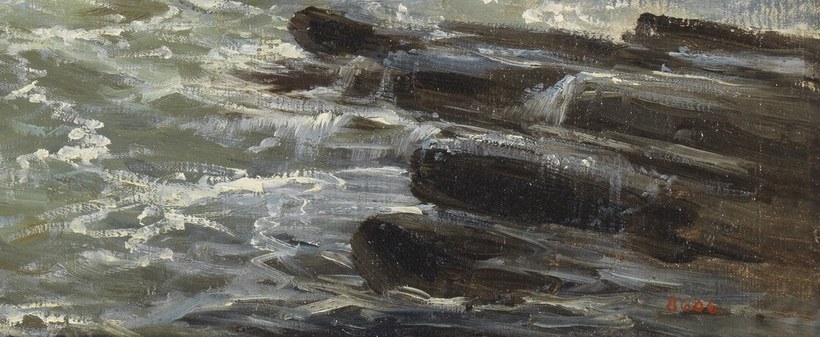
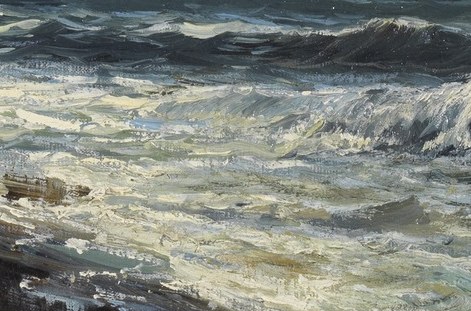
In this painting, observe the powerful crashing waves and the rugged texture of the sunlit rocks, elements that capture the raw energy of the Basque coast. Haes's innovative teaching methods, where he instructed students to paint outdoors, transformed landscape art in Spain.
Born in Belgium, Haes became a naturalized Spanish citizen and secured his place as one of the country's leading landscape artists. His legacy is cemented by his role as the first professor of landscape painting to teach directly from nature at the Real Academia de Bellas Artes de San Fernando.
This painting not only showcases his mastery but also represents a significant moment in Spanish art history. What details here draw you in?
Details
Transcript
This painter brought a new realism to Spanish landscapes. He was the first to teach landscape painting directly from nature. Notice the turbulent sea, a key feature of his coastal works. The light and texture on these rocks capture the rugged coast. This painting influenced an entire generation of Spanish artists. His work, including this piece, is in the Museo del Prado.