Léon Bakst by Modigliani, Amedeo
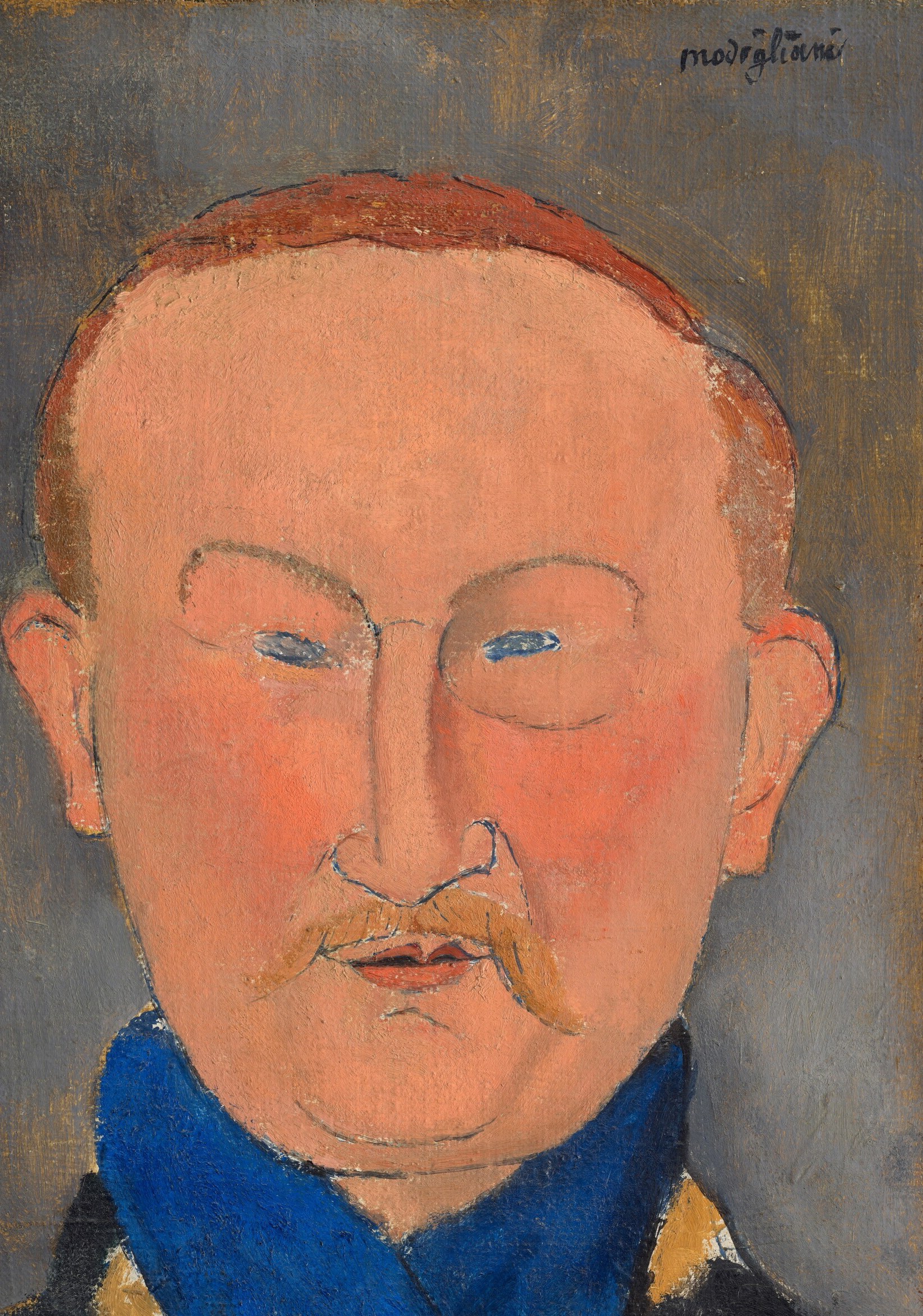
Amedeo Modigliani's 1917 portrait of Léon Bakst captures the famous theatrical designer through the very tools of his trade.
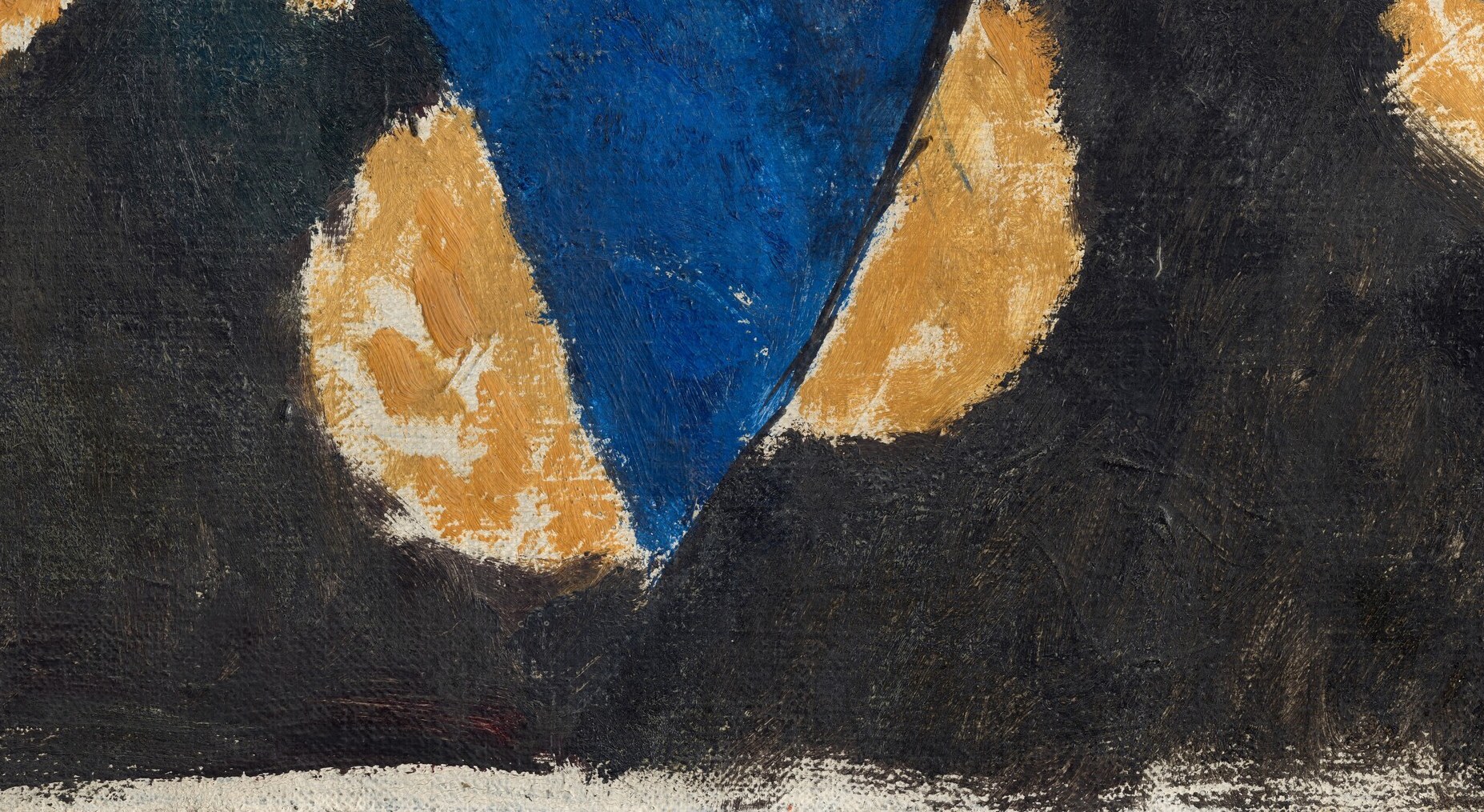
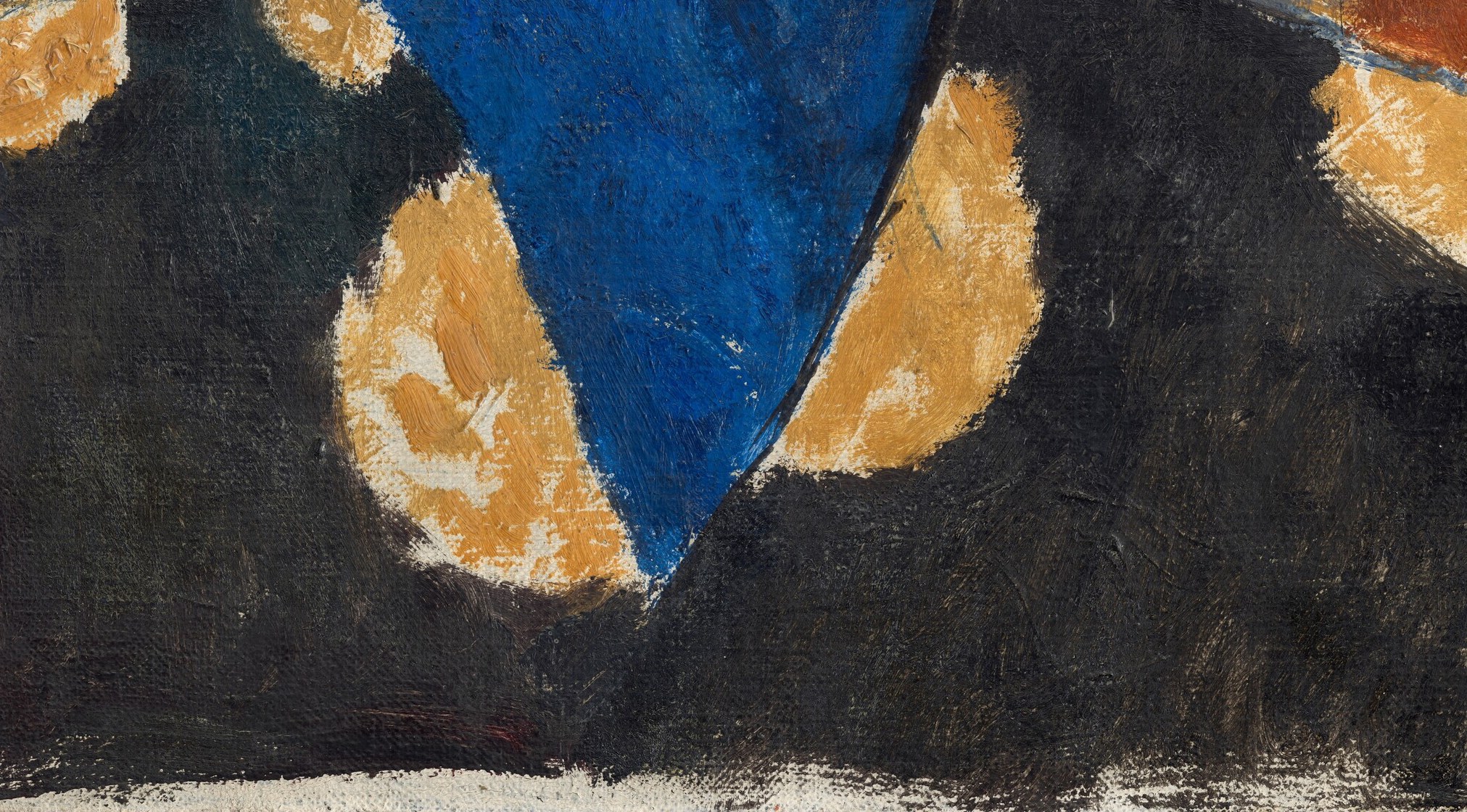
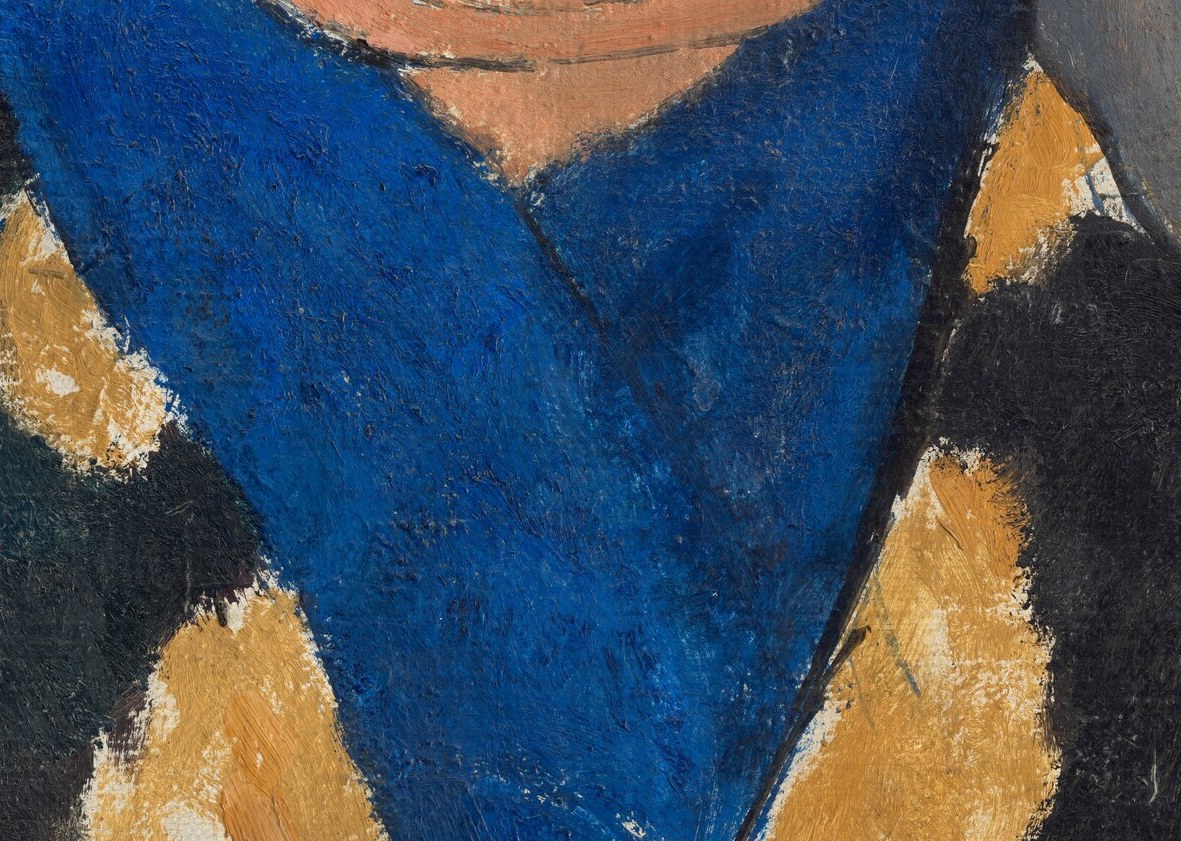
Notice the vibrant cobalt-blue cravat and the elaborate gold epaulettes. These elements are not just clothing; they are a visual language, reminiscent of the dramatic costumes Bakst himself created for the Ballets Russes. Modigliani, a prominent figure in the École de Paris, often used elongated features and striking details to convey a sitter's essence.
Modigliani's figure studies, initially overlooked, later became widely collected, establishing his significant place in 20th-century art. This painting, now a part of art history, was created in Paris, where both artists were at the heart of the modern art scene.
What details in paintings help you understand the sitter's profession?
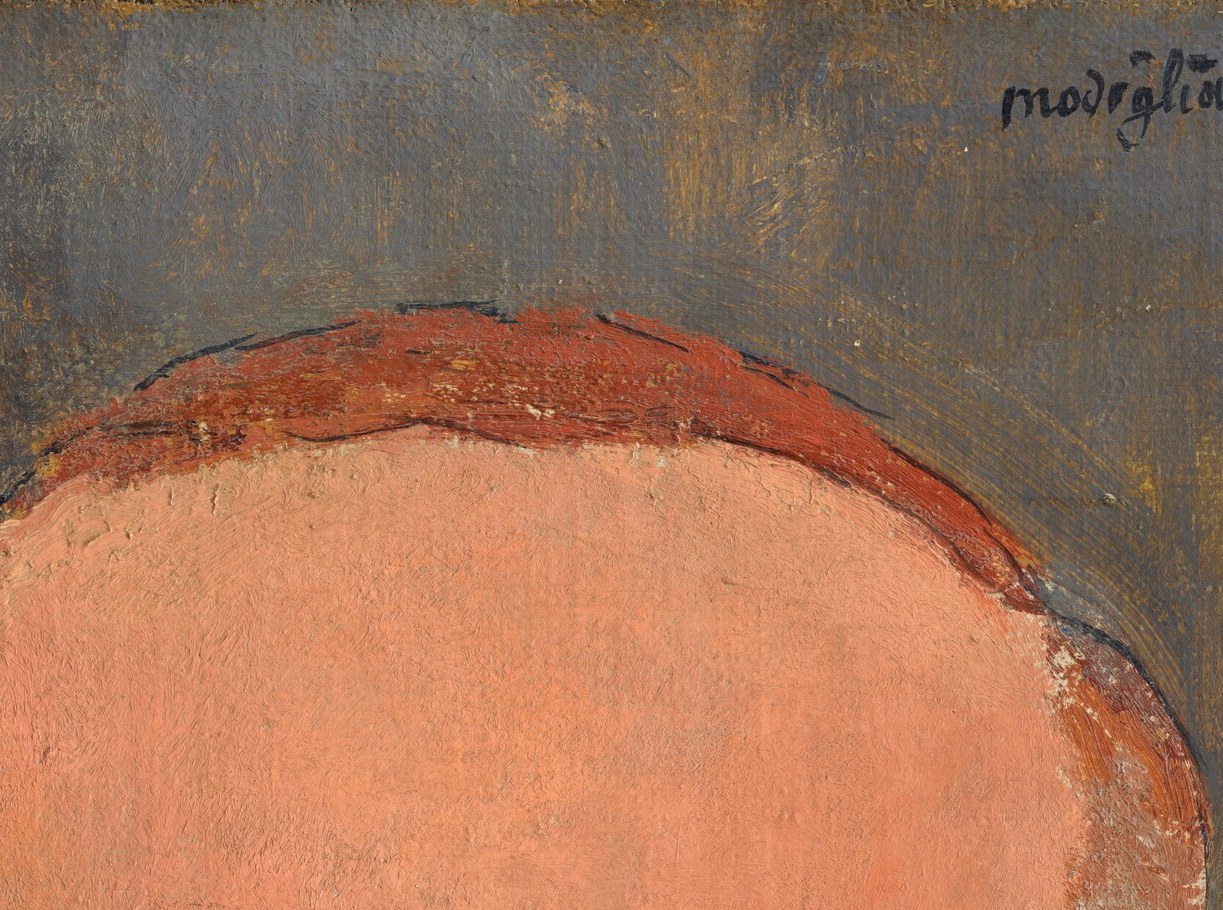
Details
Transcript
This is Léon Bakst, a famous theatrical designer. He designed costumes for the Ballets Russes. Look at the rich gold epaulettes and braid. They are stage-worthy, part of his professional language. His vibrant blue cravat also feels like a costume. The painter used strong colors, just like a set designer. The formal attire shows his creative world, literally on him.