Portrait of a Man by Unknown 18th Century
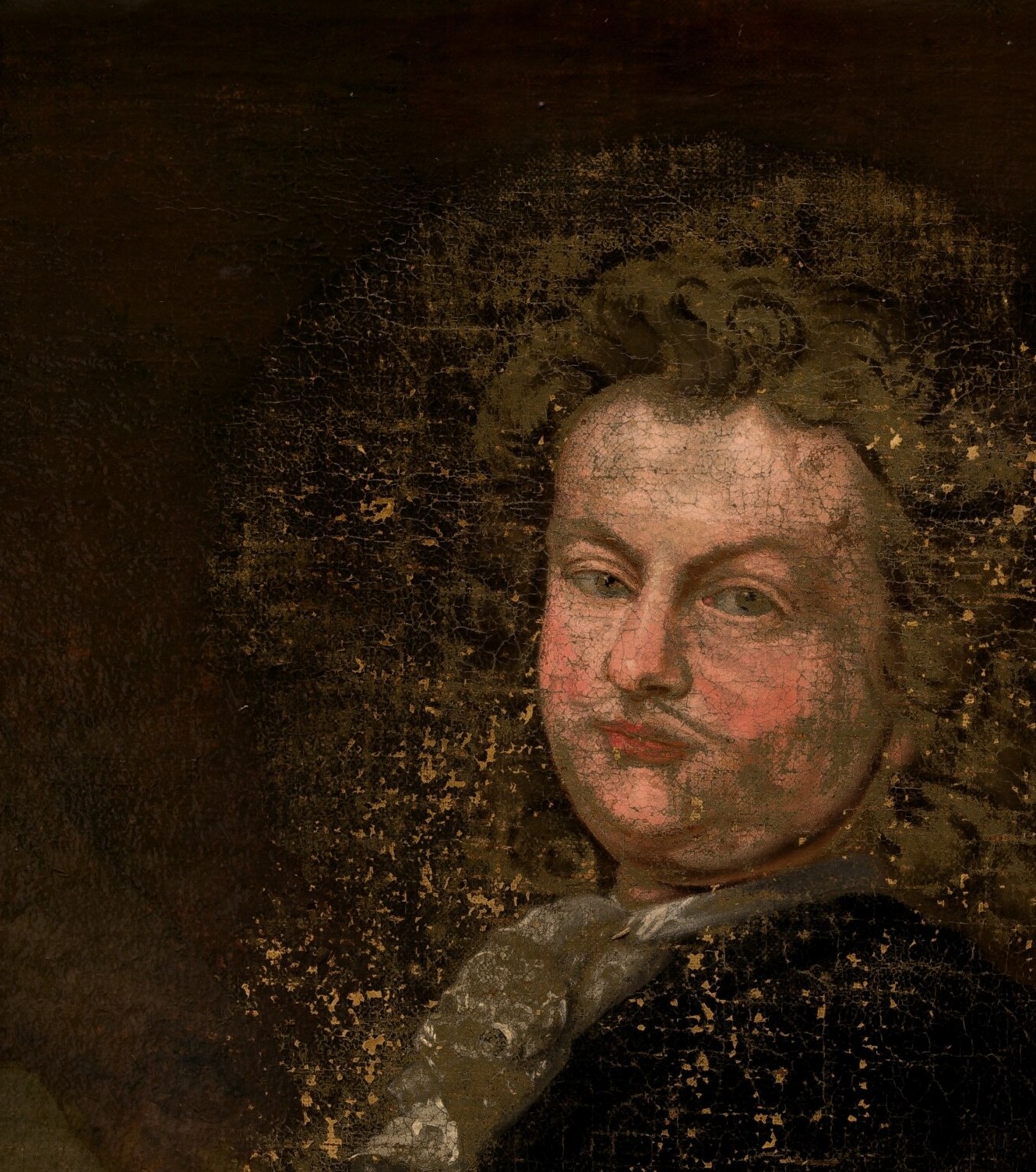
This striking work, "Portrait of a Man" by an Unknown 18th Century artist, dated to the first quarter of the 18th century and housed at the museum, showcases the era's approach to formal portraiture.
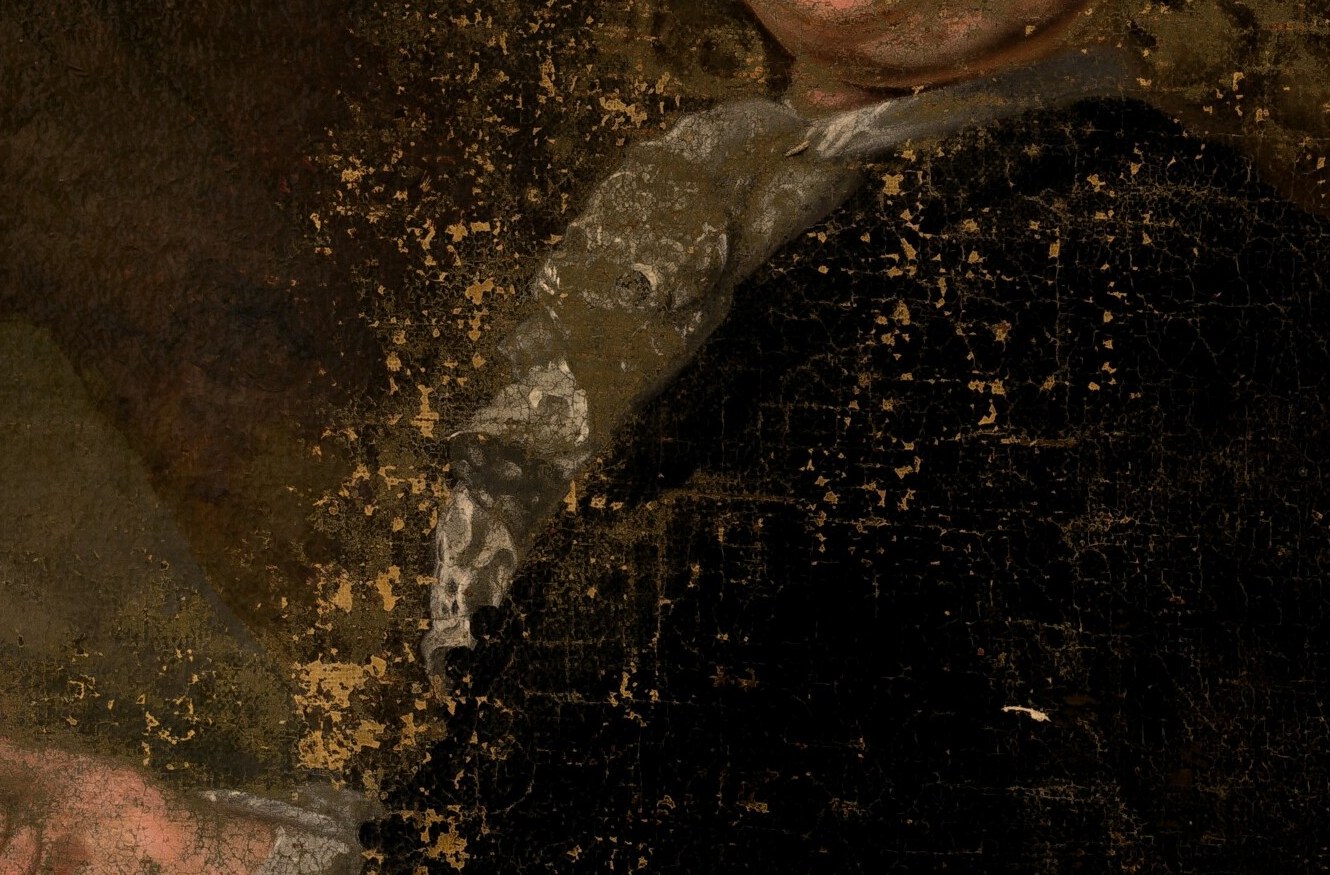
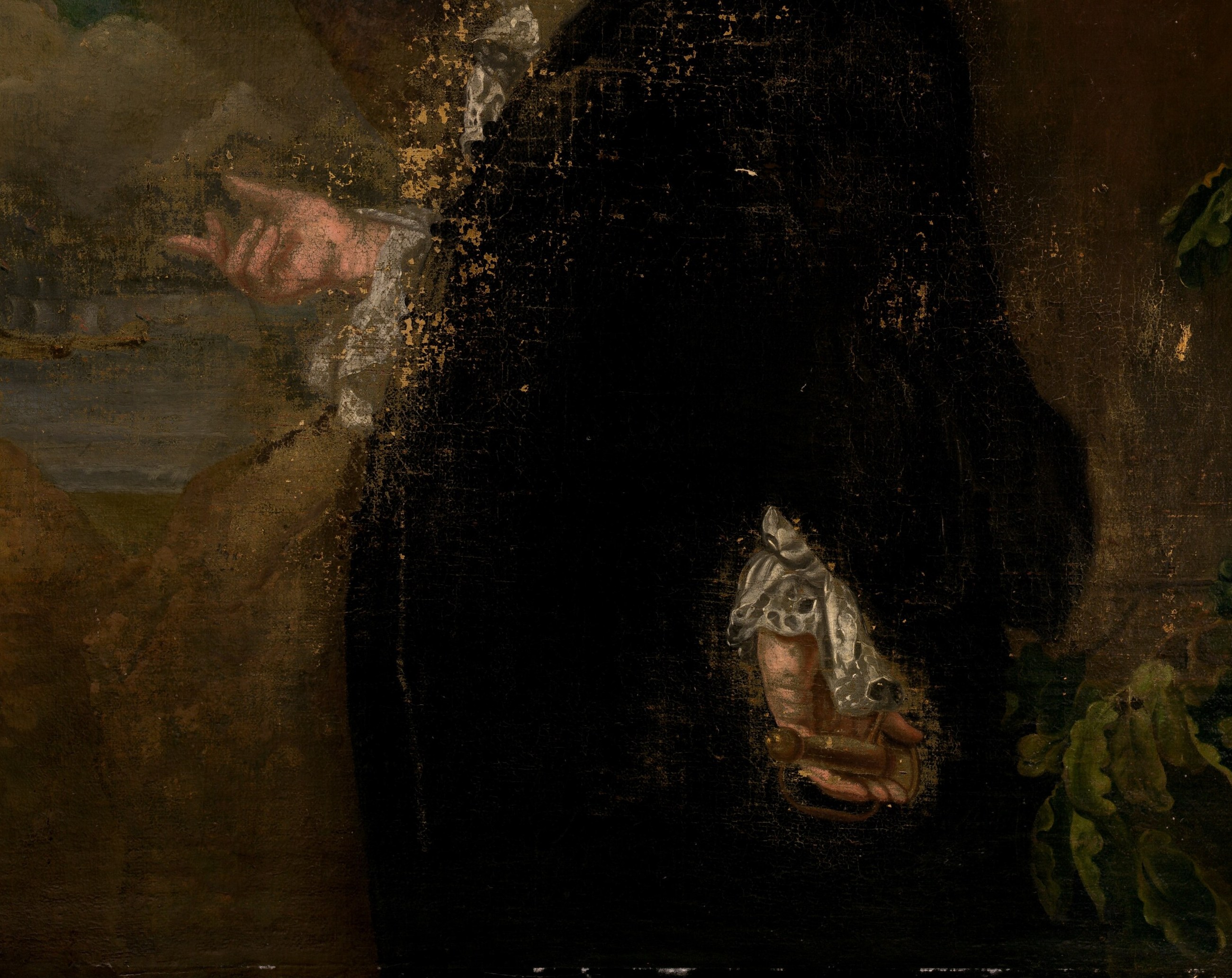
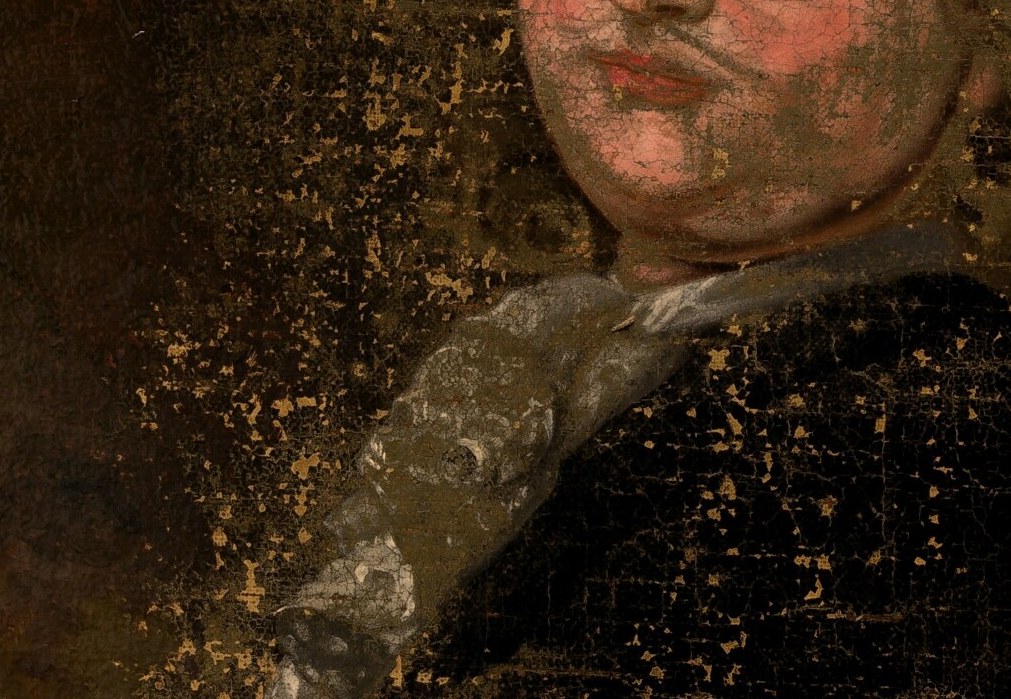
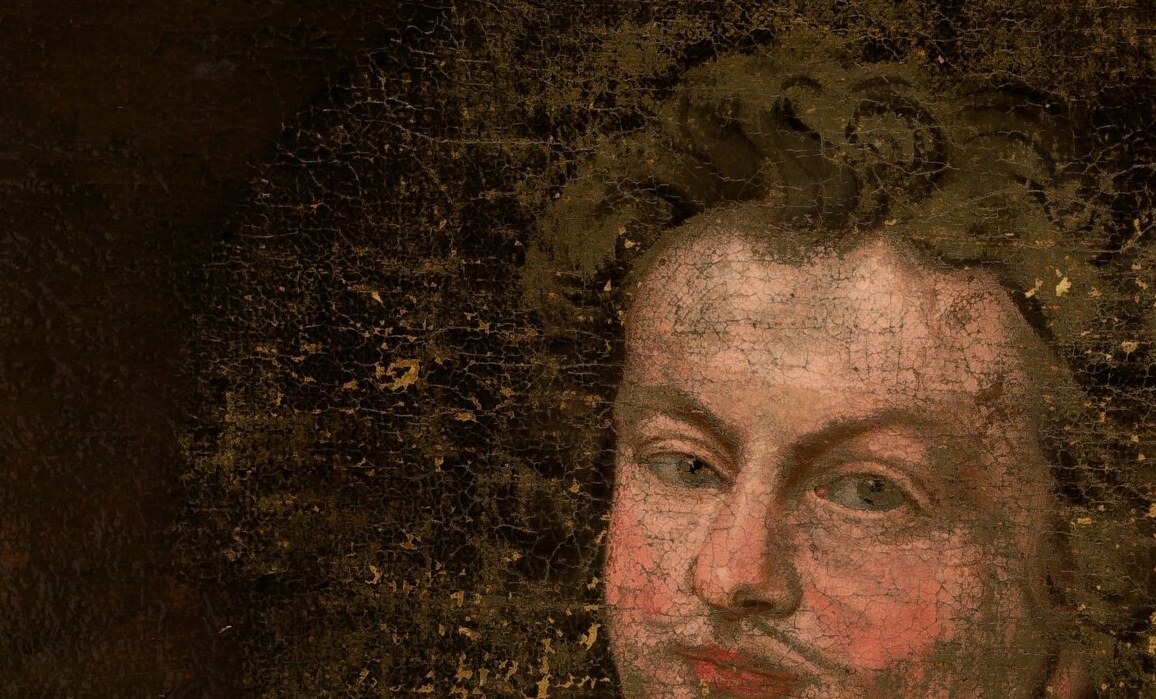
Observe how the artist employed a technique called chiaroscuro, using strong contrasts between light and shadow to create a dramatic and three-dimensional effect. The luminous white lace cravat, blazing against the dark fabric of his coat, would have immediately signaled the sitter's wealth and status.
Such portraits were often commissioned to document an individual's appearance and social standing, acting as both a personal memento and a public declaration. The painter's meticulous attention to details, from the sitter's composed expression to the texture of his periwig, aimed to convey dignity and authority.
While the man's identity remains unknown, the painting offers a fascinating glimpse into the visual language of status in the early 1700s. What details do you notice first?
Details
Transcript
This man from the 1700s wanted his portrait to project dignity. The artist used light and shadow (chiaroscuro) to create drama. Notice how the light catches his elaborate lace cravat. This brilliant white against the dark coat signals wealth. His composed mouth and strong jaw convey authority and control. The painter used precise details to individualize his sitter.