Profile Portrait of a Lady by Franco-Flemish 15th Century
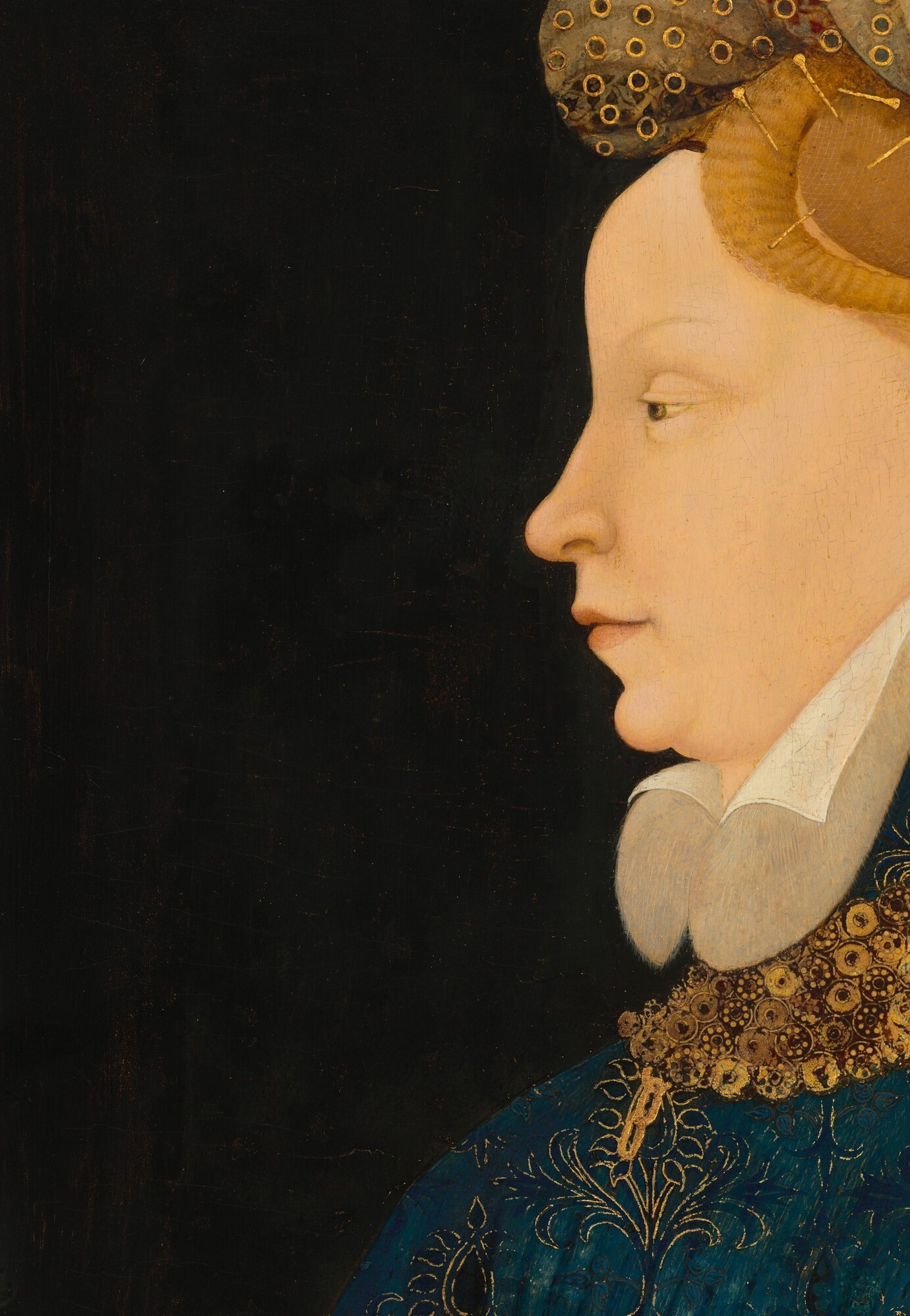
This is the 'Profile Portrait of a Lady,' painted around 1410 by an unknown Franco-Flemish artist and now in the National Gallery of Art, Washington. It is a lone survivor, the only known work by a painter who, six centuries ago, was working out the visual language of the then-new medium of oil paint.
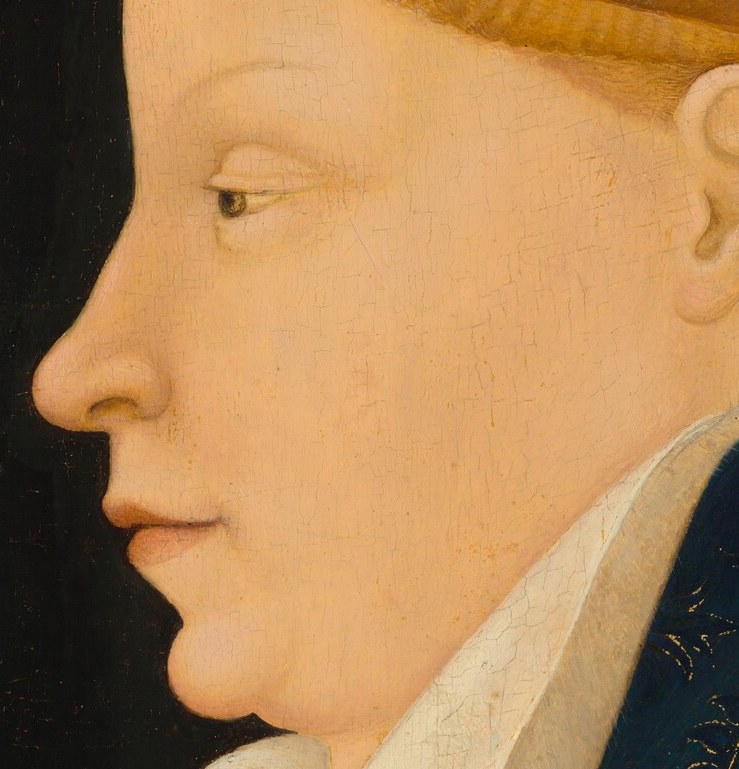
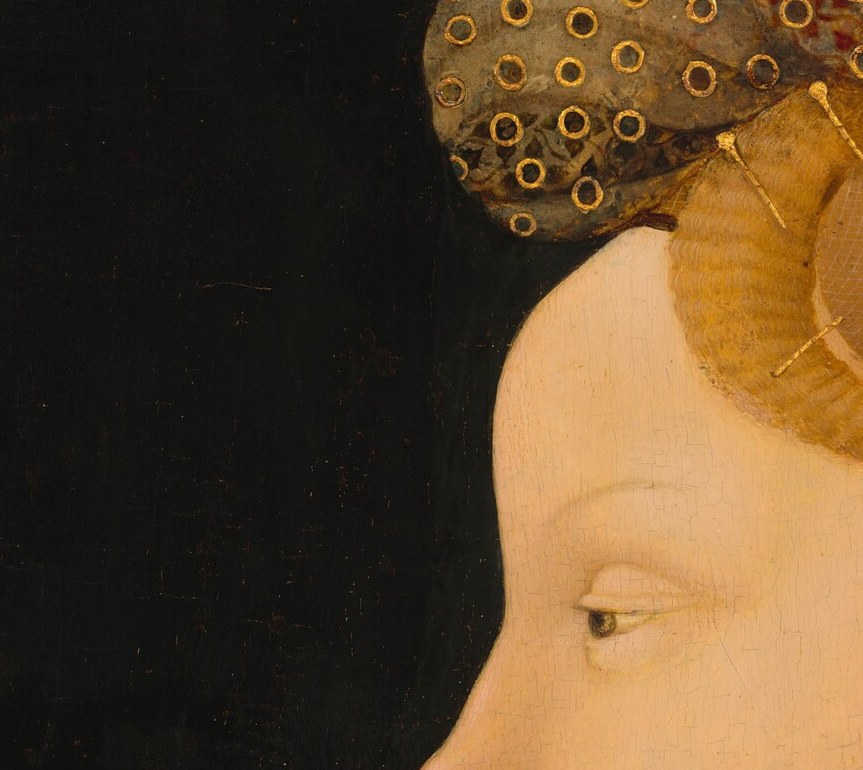
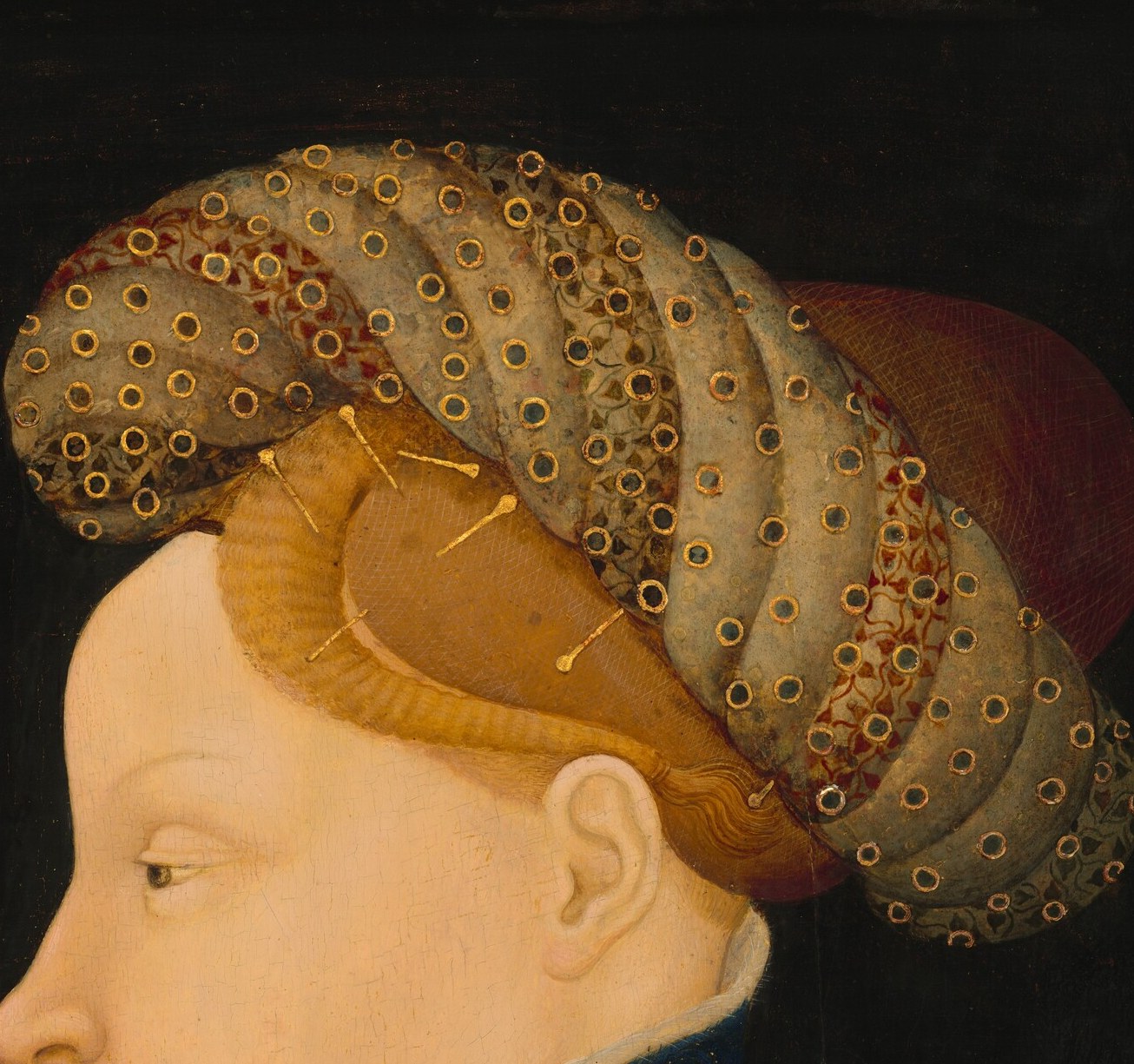
Look closely at the surface. The forehead is not simply pale; it's a luminous, breathing expanse of flesh, achieved through translucent oil glazes that tempera could never produce. From there, the painter seems to issue a challenge: they render the soft plucked skin of the hairline, then immediately pivot to the coarse weave of the fabric headdress and the hard, metallic sheen of the gold collar. Each texture demands a completely different manipulation of the viscous oil paint, and the artist delivers on every one.
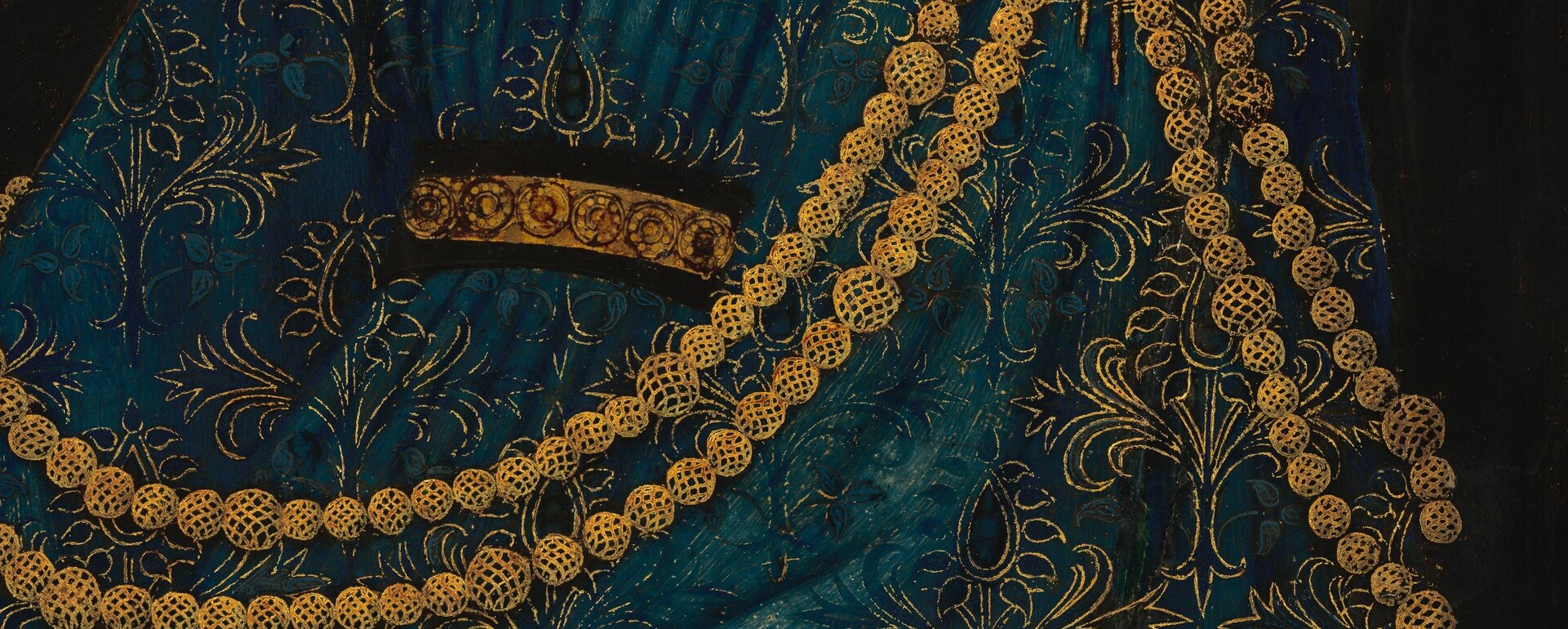
The sitter's identity is lost, but her status is broadcast clearly. The pristine profile pose was an aristocratic convention, denying the viewer any emotional access. Her gown is painted with ultramarine, ground from imported lapis lazuli and worth more than gold by weight. The elaborate 'balzo' headdress and plucked hairline place her squarely in the highest fashion of the early 1400s.
This isn't just a portrait. It's a technical demonstration. An unknown painter, armed with a new medium, staring down the limits of representation and writing a quiet manifesto in pigment and oil.
Details
Transcript
No eye contact. No softness. Just a razor-sharp silhouette. This hard profile was an aristocratic badge, denying you access. Under this edge, a new technology was announcing itself. Oil paint could do something tempera never could: plush, luminous skin. Now look at the fabric. Woven thread, crisp linen, beaten gold. Each requires a completely different handling of light in oil. The deep blue gown is pure crushed lapis lazuli. A fortune sewn into paint. A single anonymous artist, mastering a whole new visual language.