Virgin and Child by Domenico Corvi
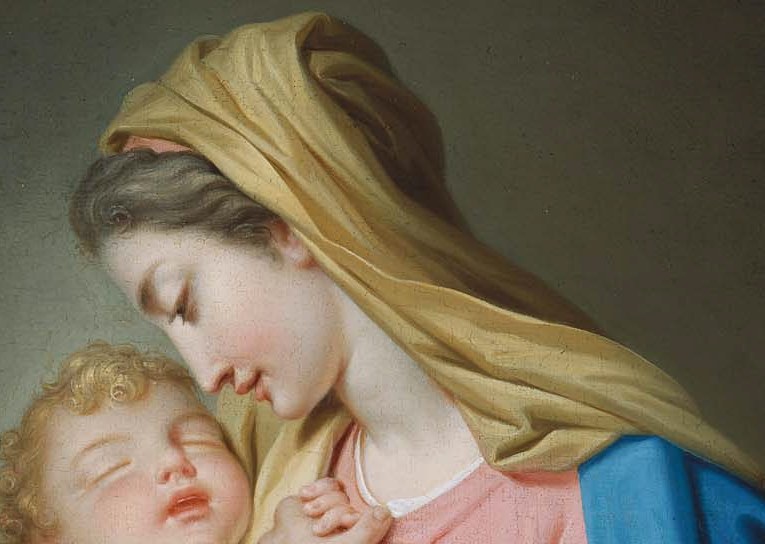
Domenico Corvi's 'Virgin and Child,' painted around 1771, is a beautiful example of early Neoclassical art, held at the Museum of Fine Arts, Boston.
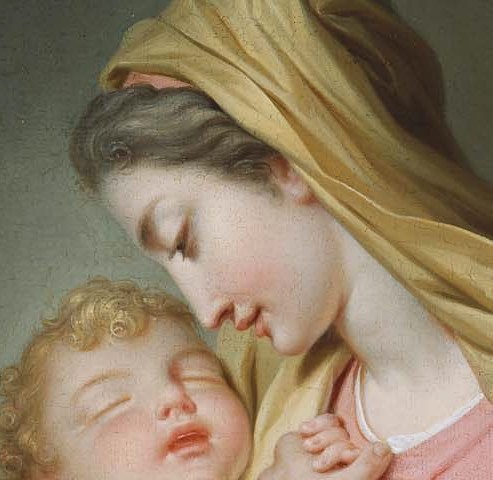
Corvi uses soft light and shadow to bring out the tender intimacy of the scene. Look closely at Mary's gentle expression and the delicate way her hands cradle the sleeping Christ Child, emphasizing his innocence and vulnerability.
Created in Rome during a period of artistic transition, this painting reflects a balance of classical restraint with lingering Baroque influence. It later traveled from an Italian studio to an American institution, showcasing the expanding art market of the 19th century.
This work invites quiet contemplation of maternal devotion and the subtle power of Corvi's understated style. What do you notice in its serene details?
Details
Transcript
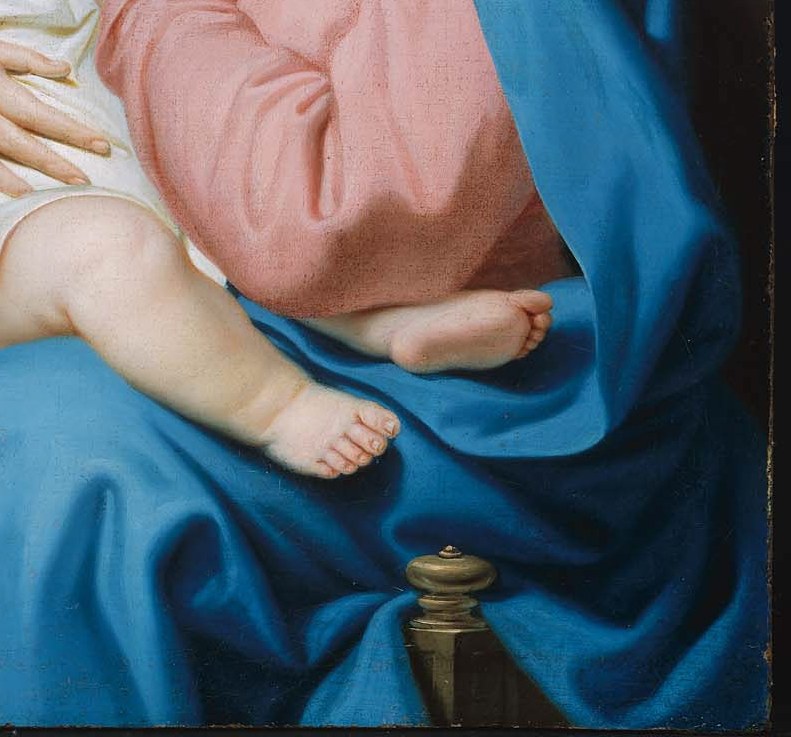
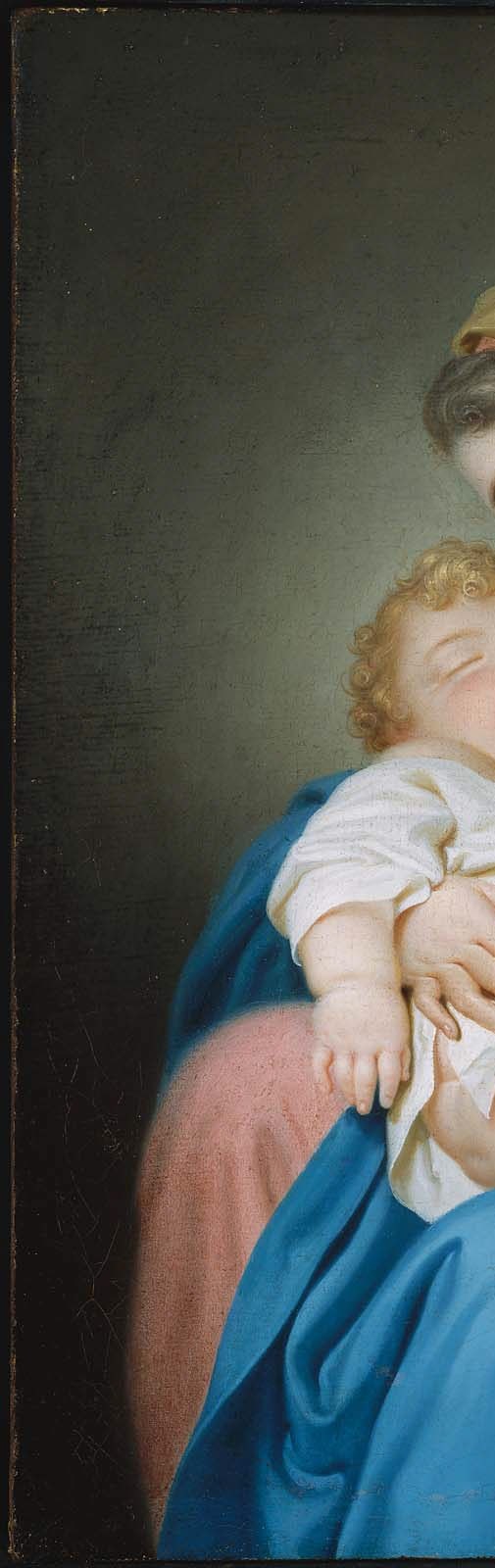
This painting, from 1771, shows Mary with the sleeping Christ Child. The artist was Domenico Corvi, a painter of early Neoclassical works. His use of soft light models the forms of the figures, creating depth. Mary’s gentle expression conveys maternal love. Her hands cradle the child, a symbol of protection and devotion. The muted dark background pushes the figures forward, creating intimacy.