Outskirts of Paris by Henri Rousseau
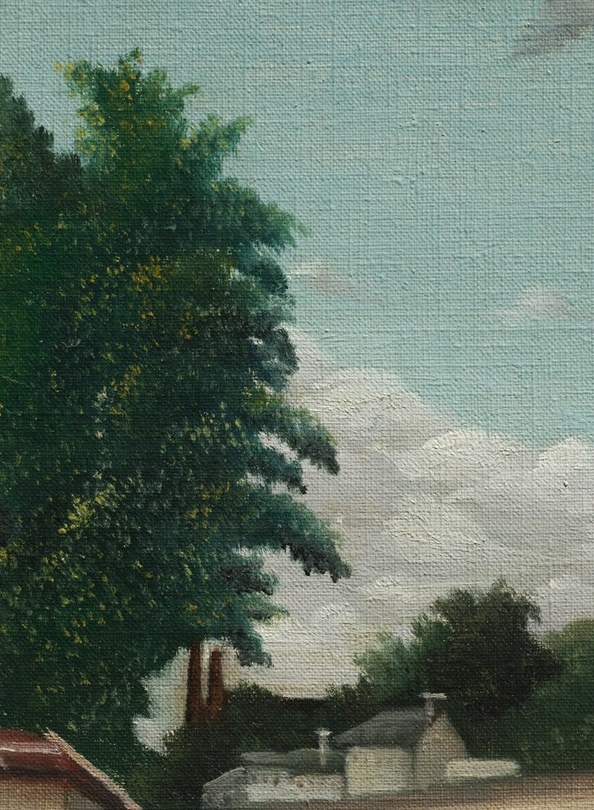
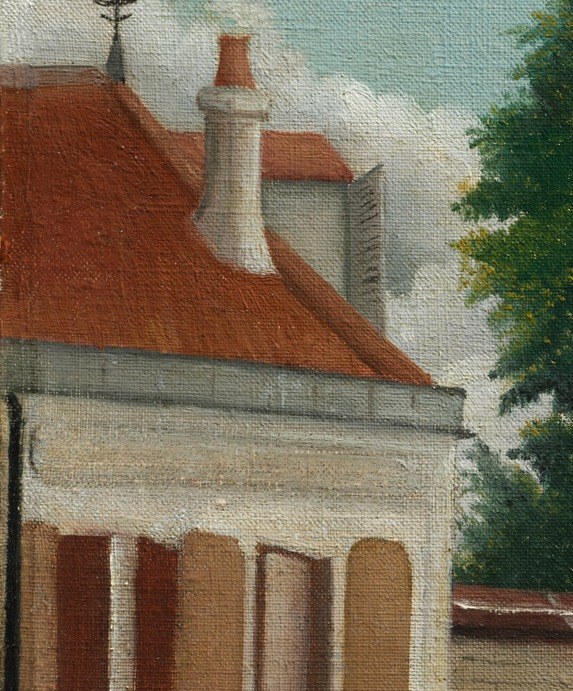
Henri Rousseau, known as 'Le Douanier' (the customs officer), was a self-taught genius whose work was initially ridiculed but later influenced generations of avant-garde artists. His 1901 oil painting, *Outskirts of Paris*, at The Cleveland Museum of Art, captures a tranquil scene on the periphery of the French capital.
Observe the solitary figure and the bridge over the waterway, which can be seen as symbols of transition. The painting itself feels like a borderland, a gentle juxtaposition of the natural world and the encroaching urban environment.
Rousseau began painting seriously in his early forties and retired from his job at age 49 to focus on art full-time. Despite the criticism he faced during his lifetime, his unique 'naïve' or 'primitive' style eventually gained significant recognition.
What feelings does this quiet scene evoke in you?
Details
Transcript
This painting shows the quiet edge of Paris. Its painter was a self-taught artist, a former customs officer. He retired at 49 to paint full-time, facing much ridicule. The bridge over the water shows a journey between two places. This borderland between city and nature suggests transition. His art was once mocked, but later influenced avant-garde artists.