Interior of the Pantheon, Rome by Panini, Giovanni Paolo
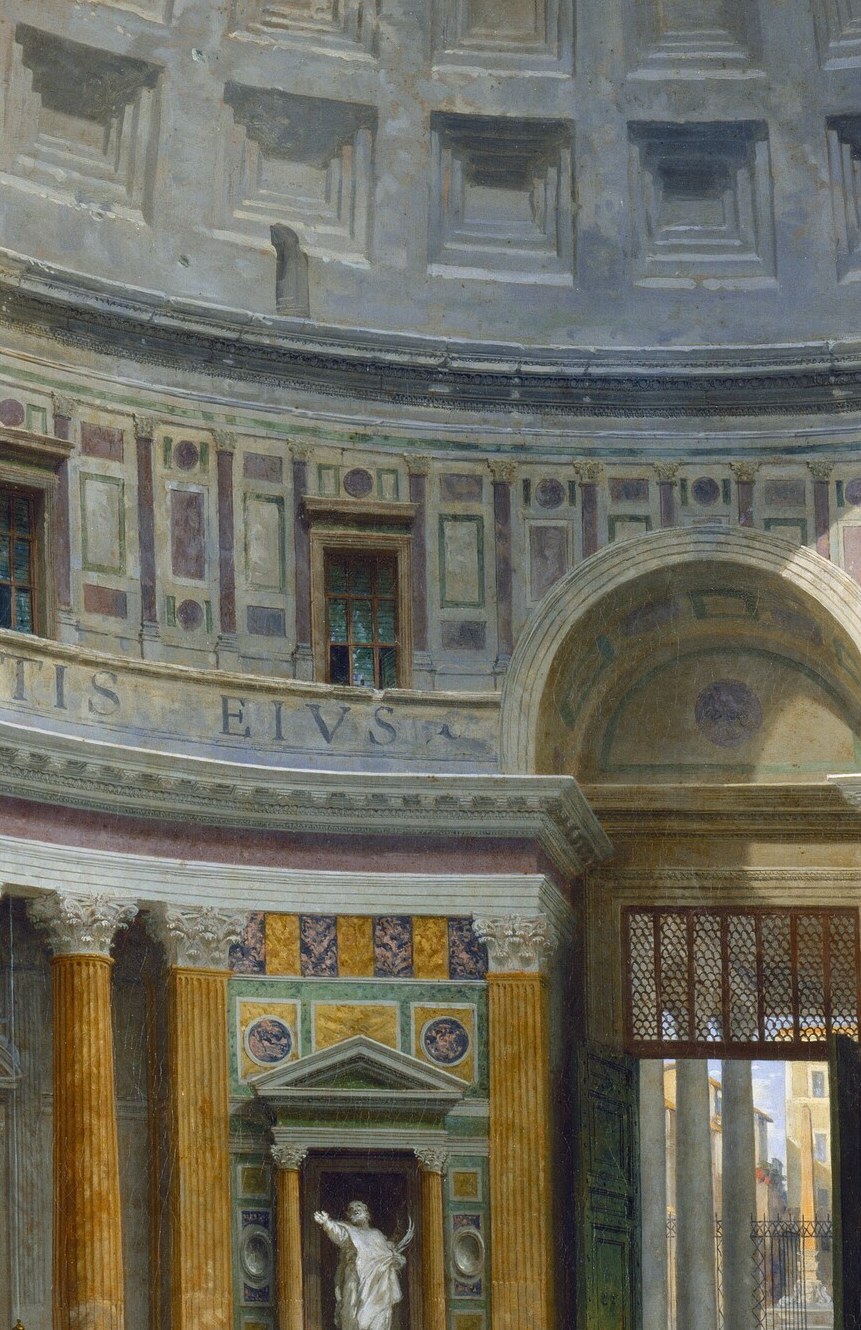
Giovanni Paolo Panini's 'Interior of the Pantheon, Rome,' painted around 1734, is a celebrated veduta capturing the monumental interior of the ancient Roman temple. This detailed oil on canvas, housed in a major collection, showcases Panini's mastery in rendering architectural spaces.
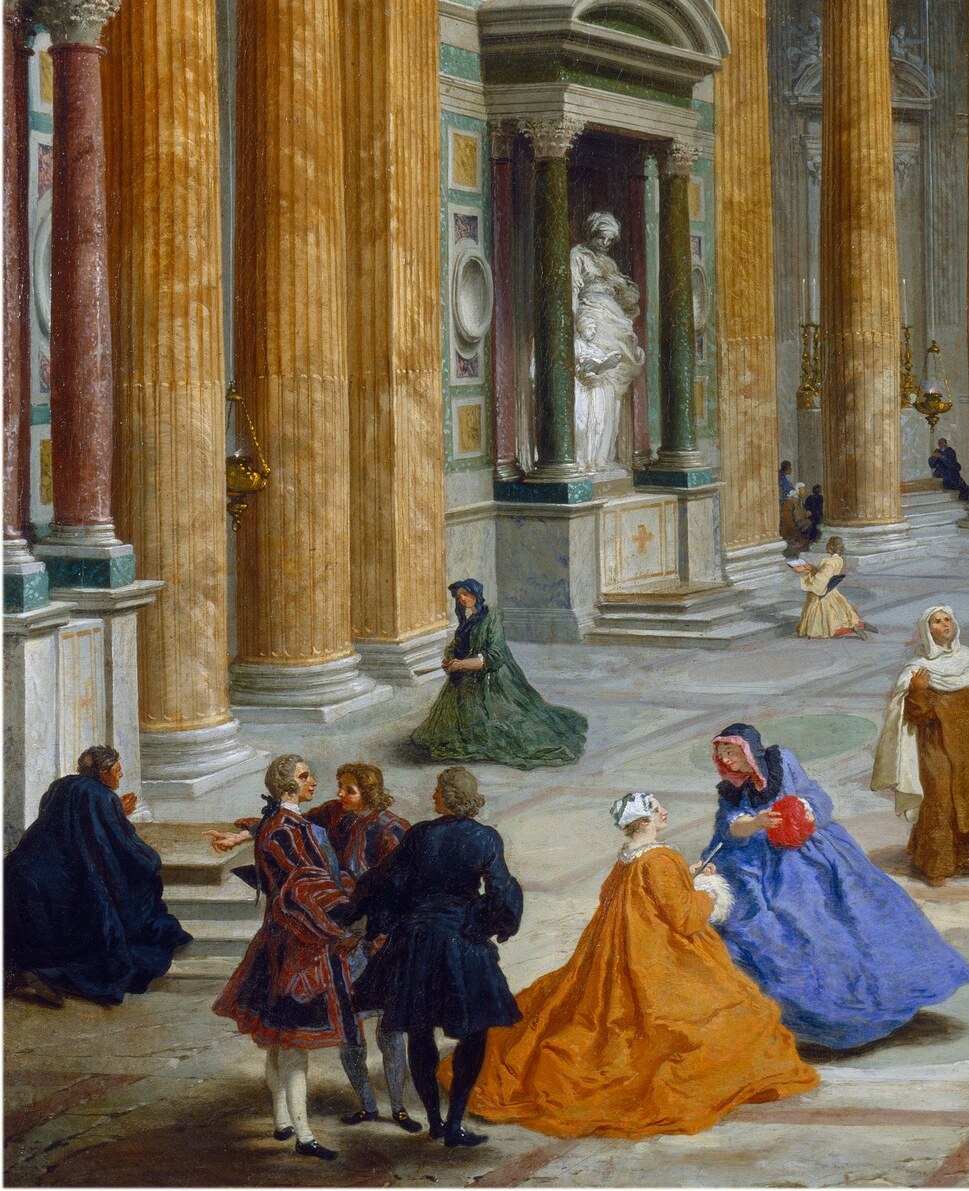
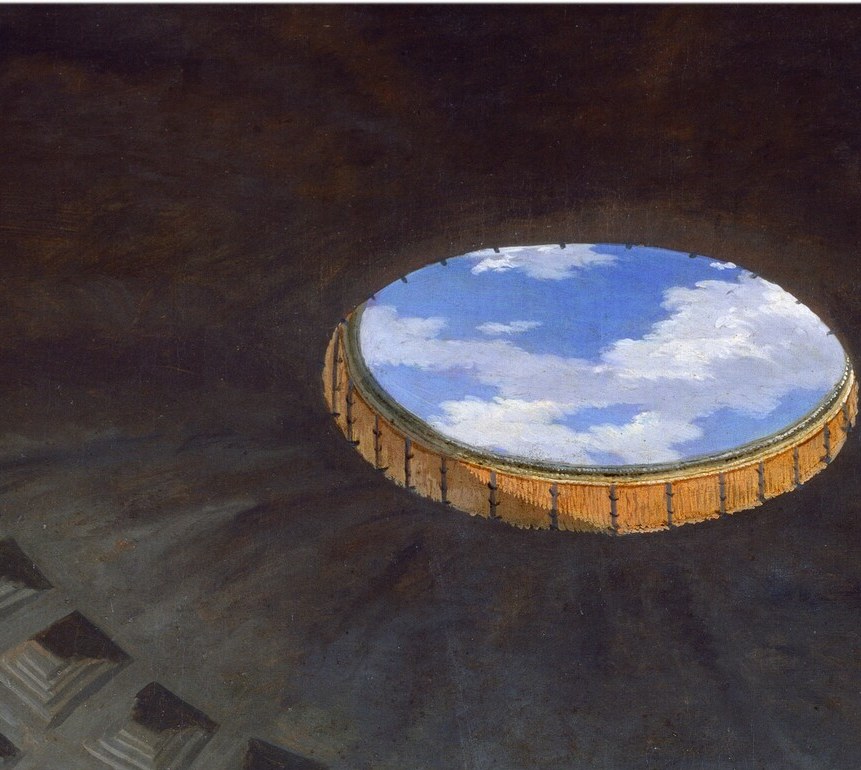
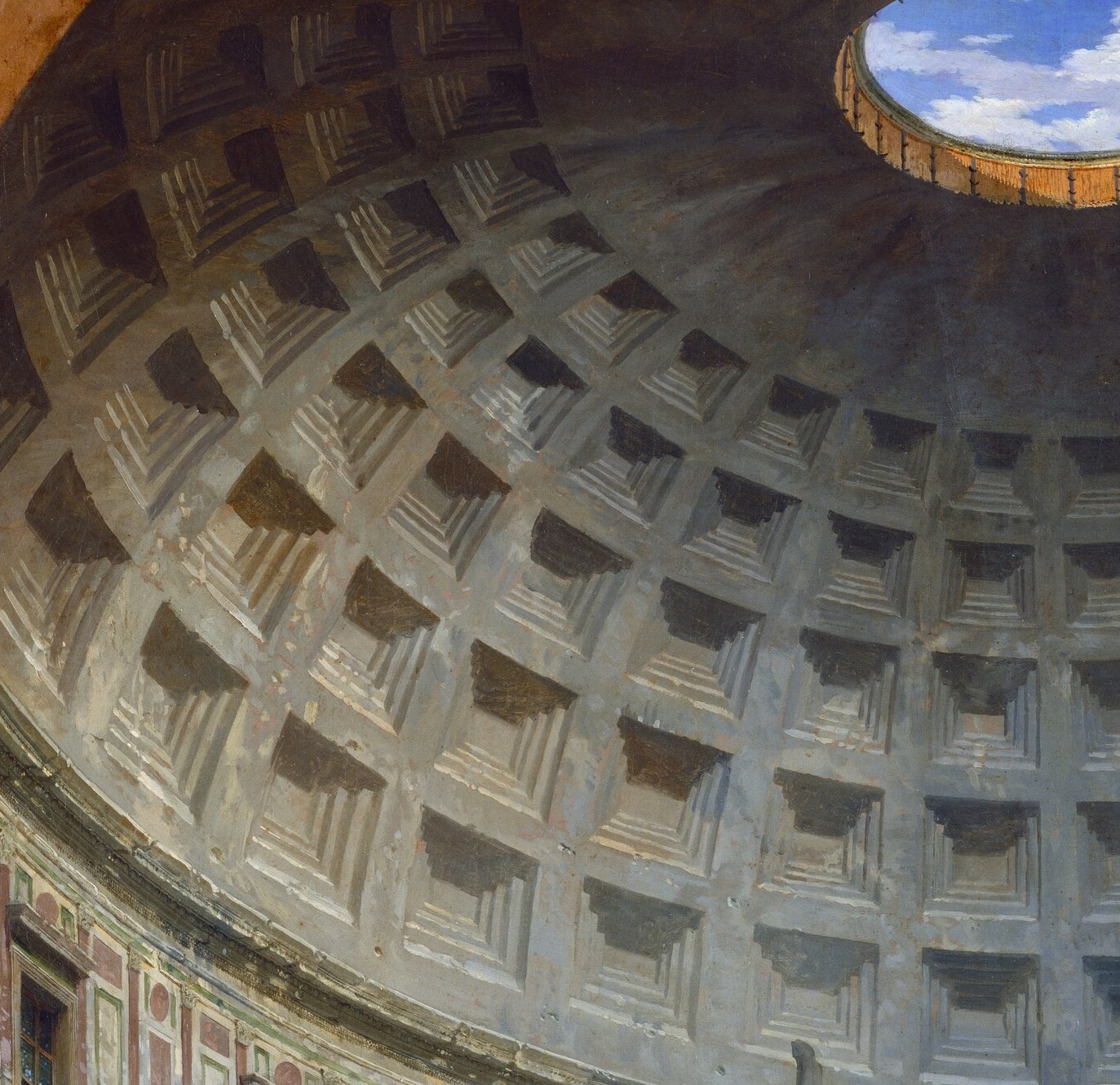
Look closely at the figures, including Grand Tour visitors, scholars, and locals. Their small size underscores the Pantheon's immense scale and provides a social record of 18th-century engagement with antiquity. The single shaft of light from the oculus illuminates the entire space, with a subtle shadow defining the dome's curvature.
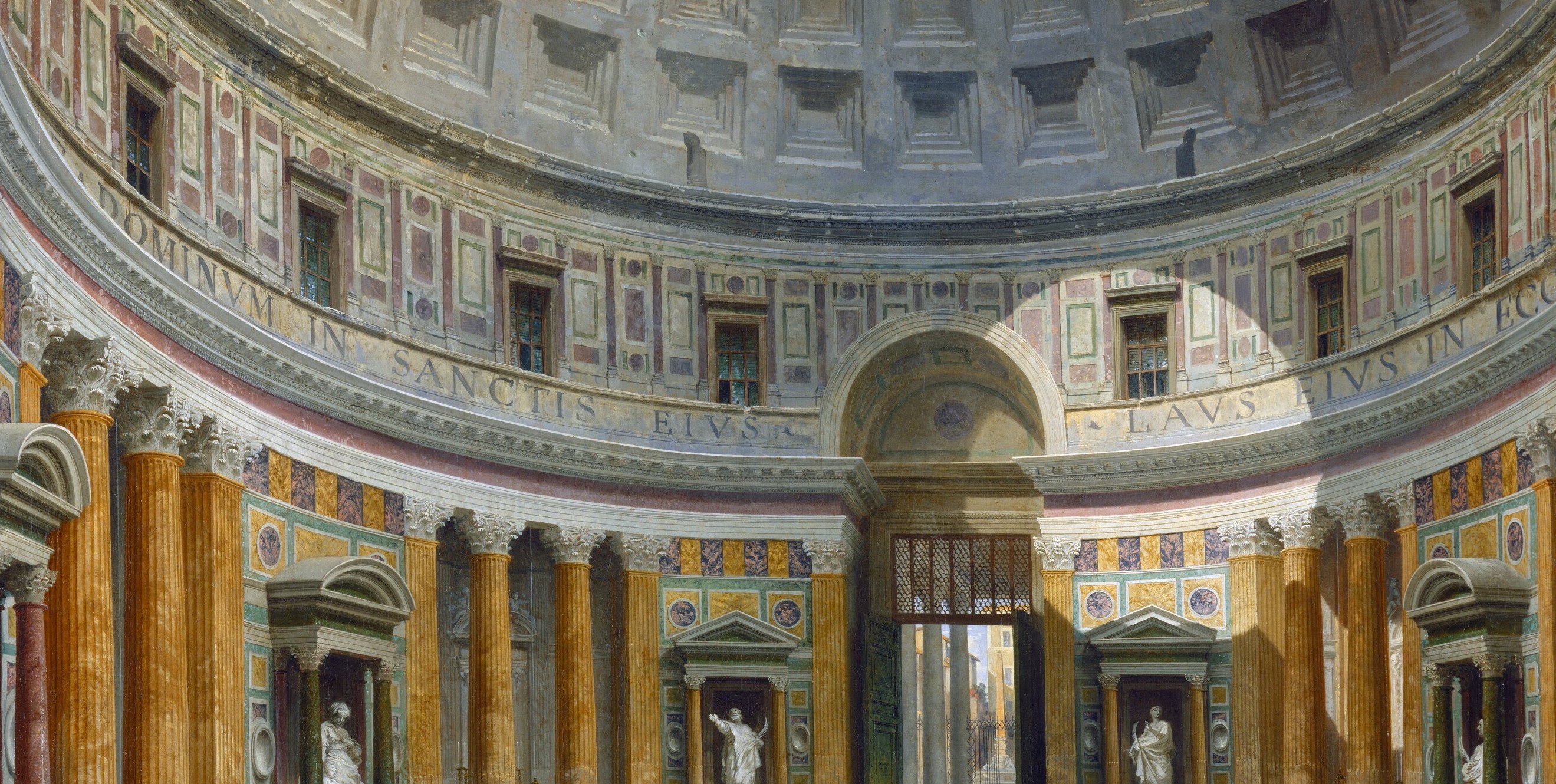
Panini was renowned for his vedute, detailed paintings of cityscapes and architectural views. This work exemplifies his ability to combine topographical accuracy with atmospheric vitality, bridging documentary record and artistic idealization. He used precise linear perspective and chiaroscuro to create a strong sense of volume and depth.
What do you notice first about the scale of the Pantheon, even in a painting?
Details
Transcript
This painter shows Rome’s Pantheon, in 1734. Tourists on the Grand Tour came from across Europe. Their tiny scale emphasizes the building’s immensity. The oculus opening is the only light source here. Its single traveling shadow defines the dome’s curve. This was a virtuoso trick to make paint feel real. Beyond the distant door, a glimpse of Rome awaits.