Charles II of Spain by Juan Carreño de Miranda
Juan Carreño de Miranda's 1680 portrait of Charles II of Spain, held at the Museo del Prado, powerfully conveys the young monarch's regal authority through carefully chosen symbols. The painting is a key example of late Baroque court portraiture.
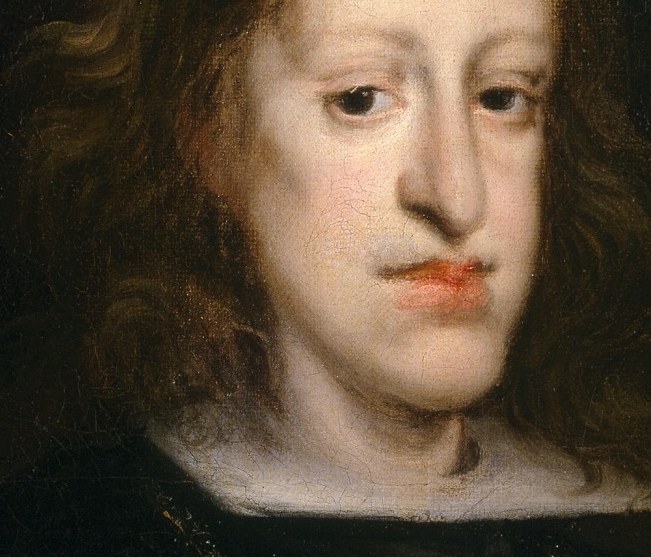
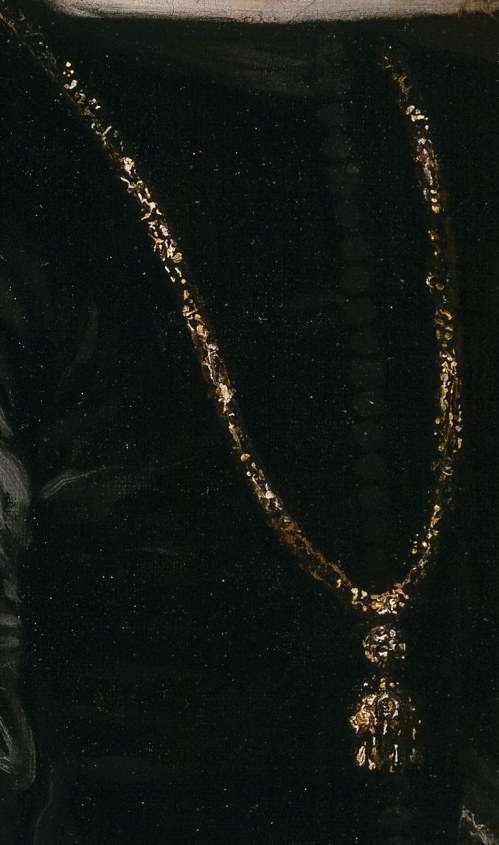
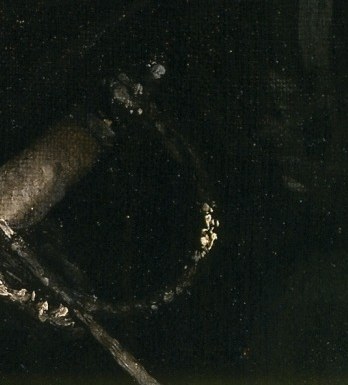
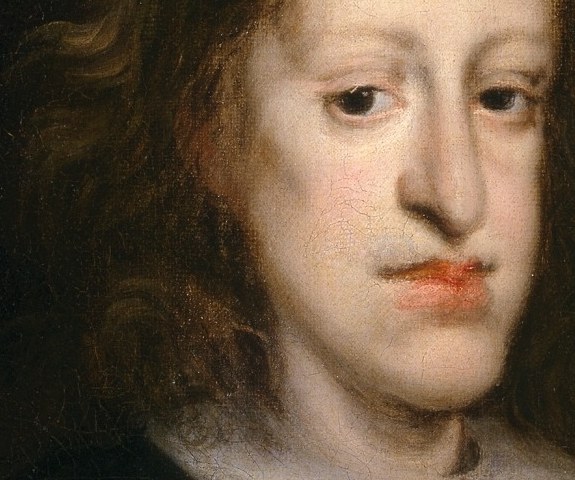
Notice the intricate detail of the Order of the Golden Fleece chain, a prominent symbol of his Habsburg lineage and his right to rule. The subtle rendering of his eyes and the hilt of his sword further emphasize the weight of his sovereign duties.
Completed shortly after his accession, this portrait was intended for display in a royal setting. It offers a fascinating glimpse into the visual language of the Spanish court at the close of the 17th century.
What do these symbols communicate to you about the nature of power?
Details
Transcript
This young king, Charles II of Spain, was born in 1661. His eyes suggest the burdens of his royal lineage. Around his neck, the Order of the Golden Fleece. It symbolized his Habsburg dynastic right to rule. His sword represents the king's ultimate authority. This portrait, painted in 1680, captures his solemn power.