Onrust Island near Batavia by Abraham Storck
Abraham Storck's "Onrust Island near Batavia" (1700) captures a pivotal moment in Dutch maritime history. This detailed oil painting, part of the Rijksmuseum's collection, offers a vivid glimpse into a crucial Dutch colonial outpost.
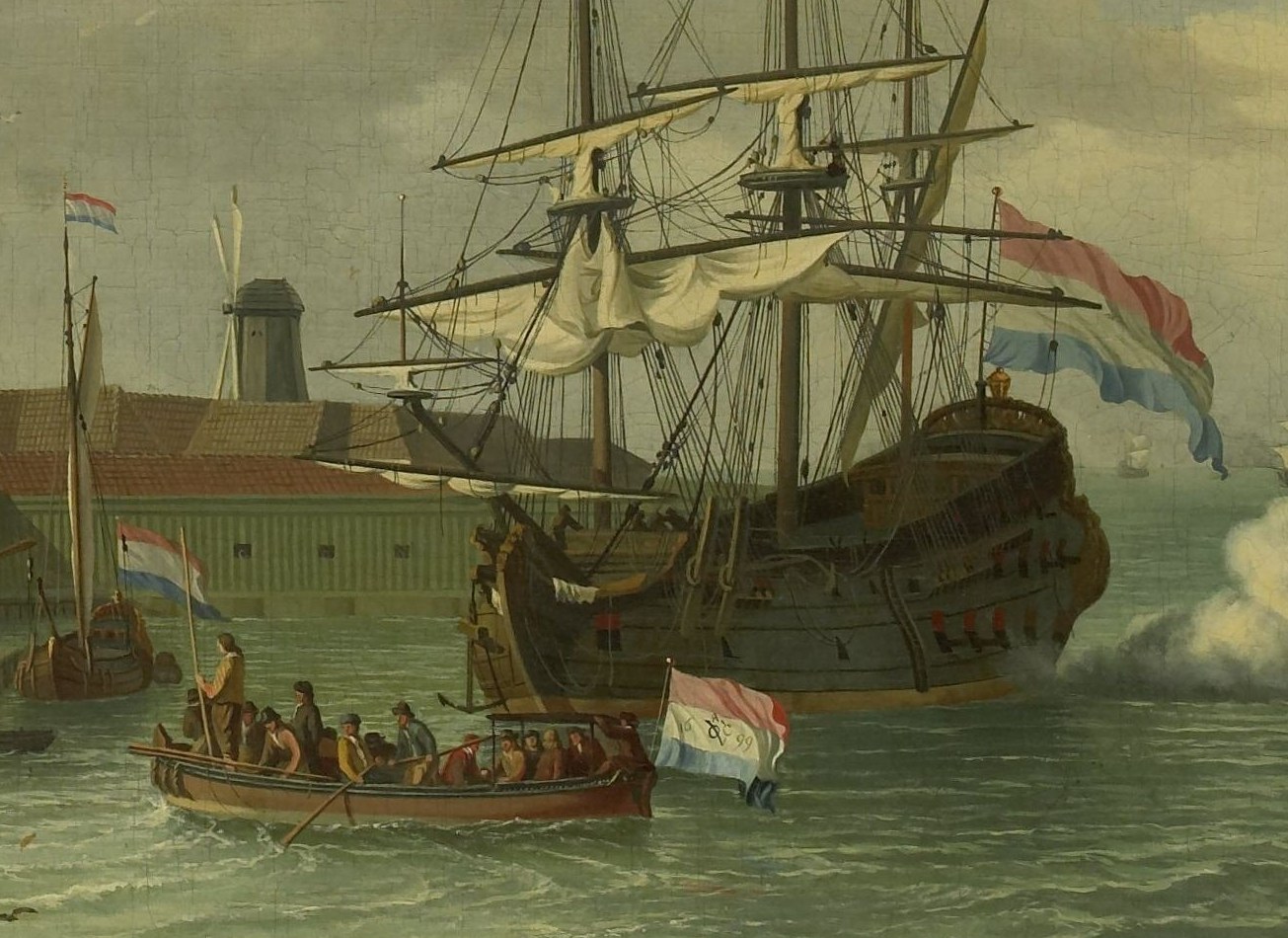
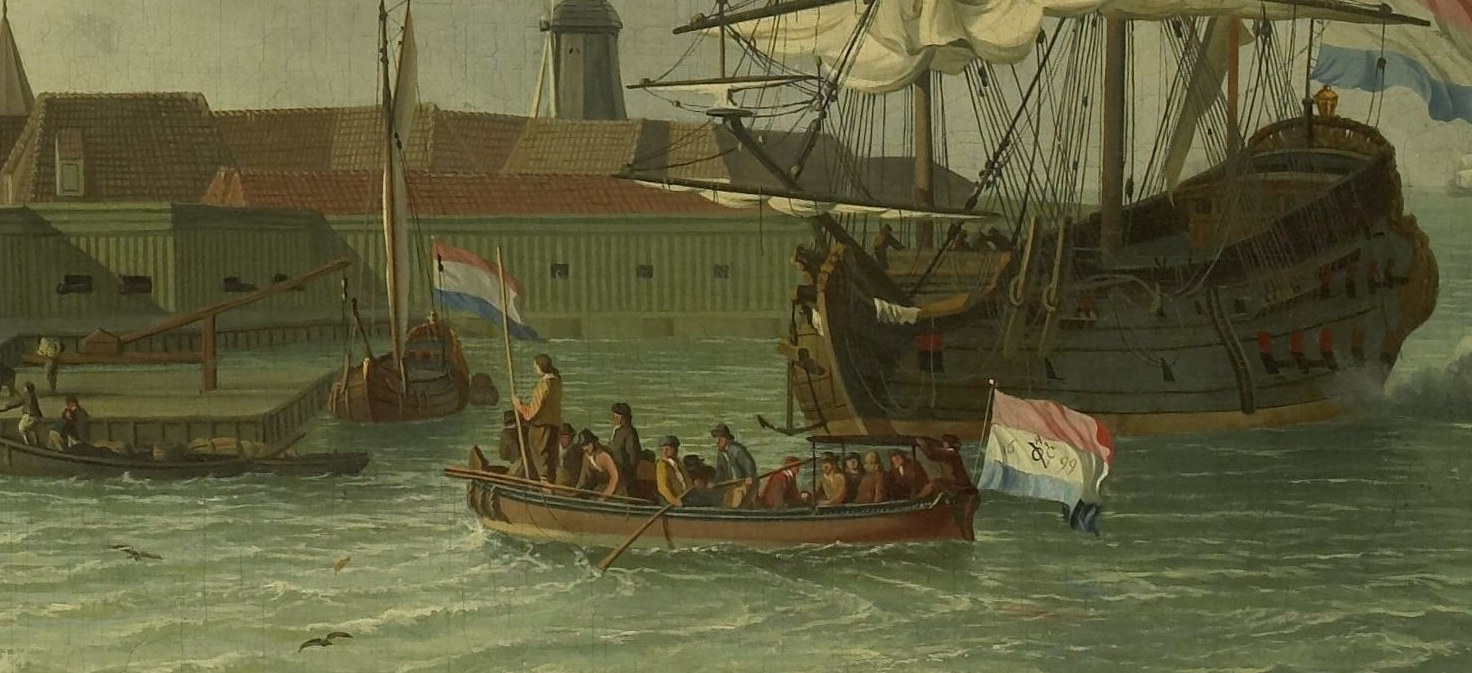
Look closely at the bustling harbor scene, dominated by large sailing vessels flying Dutch flags. From the busy dockside cranes to the figures working on deck, every detail underscores the island's role as a vibrant trading and naval hub.
Onrust Island, near modern-day Jakarta, was a vital shipyard and base for the Dutch East India Company during the Dutch Golden Age. Storck's meticulous depiction not only showcases his skill as a marine painter but also reflects the era's economic prosperity and the far-reaching influence of Dutch global trade.
The painting stands as a testament to a powerful historical period and the immense ambition behind these colonial ventures. What detail in this scene most surprises you?
Details
Transcript
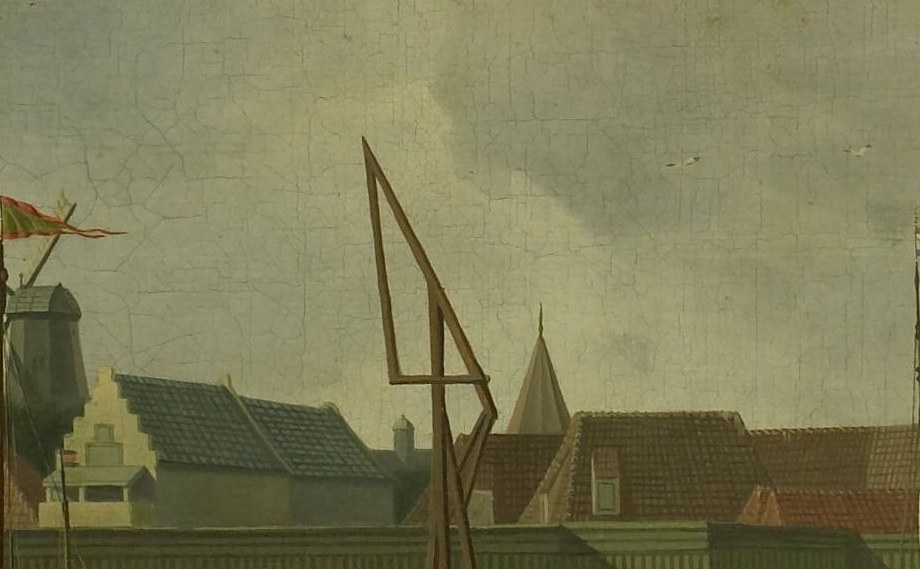
This painter specialized in marine scenes. It's Onrust Island, a Dutch trading post near Batavia. Dutch flags fly from several ships, asserting their presence. Here, a large ship dominates, signifying maritime power. Notice the damaged ship hull, reflecting the dangers of trade. Cranes on the dock show the constant work of a bustling port. In the distance, a windmill further marks this as Dutch territory. The painting captures the height of Dutch colonial enterprise.