Ice Floes by Claude Monet
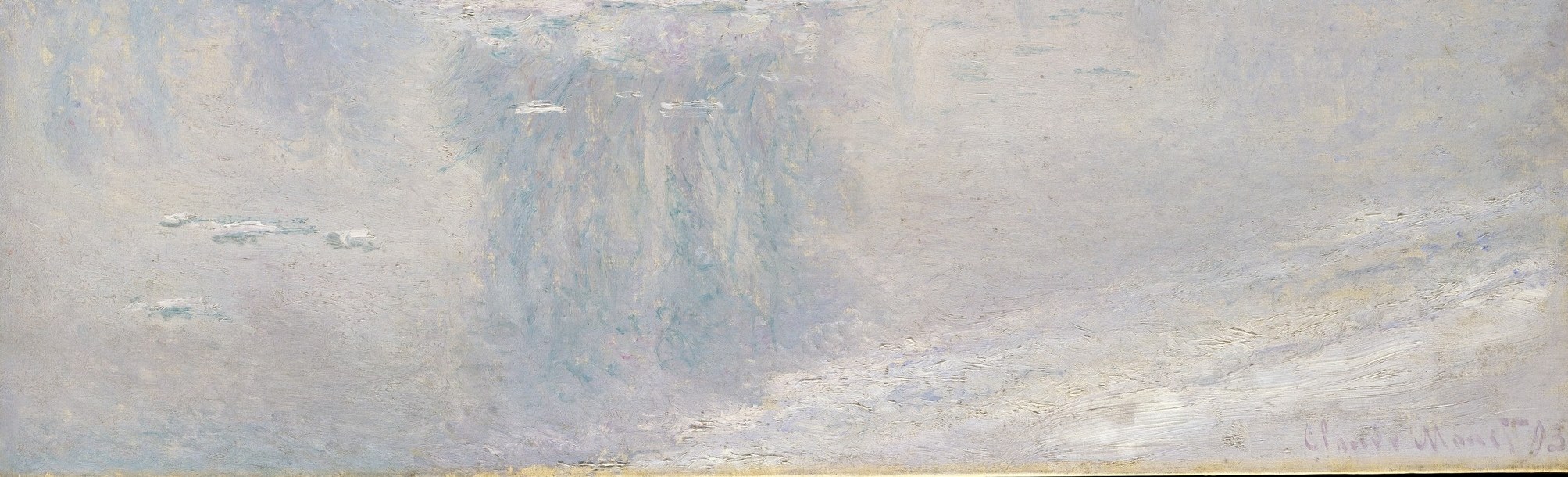
Claude Monet's "Ice Floes," painted in 1893, captures a mesmerizing winter landscape. This oil painting, part of The Metropolitan Museum of Art's collection, isn't just a scene; it's a study in light and texture.
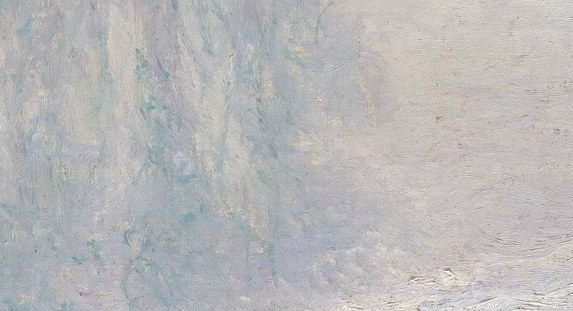
Look closely at the foreground where fractured ice floes dominate the river. Monet's characteristic loose, blended brushstrokes bring a tactile quality to the ice, creating a sense of its rough, broken nature. The small boats, almost swallowed by the vastness, emphasize human vulnerability against the cold.
Monet, a founder of Impressionism, was renowned for his ability to paint nature as he perceived it, often en plein air. This work exemplifies his exploration of atmospheric conditions and the ephemeral quality of light during the colder months, using a muted palette of blues, whites, and grays to evoke profound stillness.
How does this subtle depiction of winter make you feel?
Details


Transcript
This quiet winter scene is by Claude Monet. He painted this frozen river in 1893. Notice the small boats trapped in the ice. But look closely at the texture of the ice itself. Monet’s brushwork creates jagged, shifting shapes. He captures the momentary stillness of a harsh winter.