The Meeting of Alexander the Great and Diogenes by Gaspar de Crayer
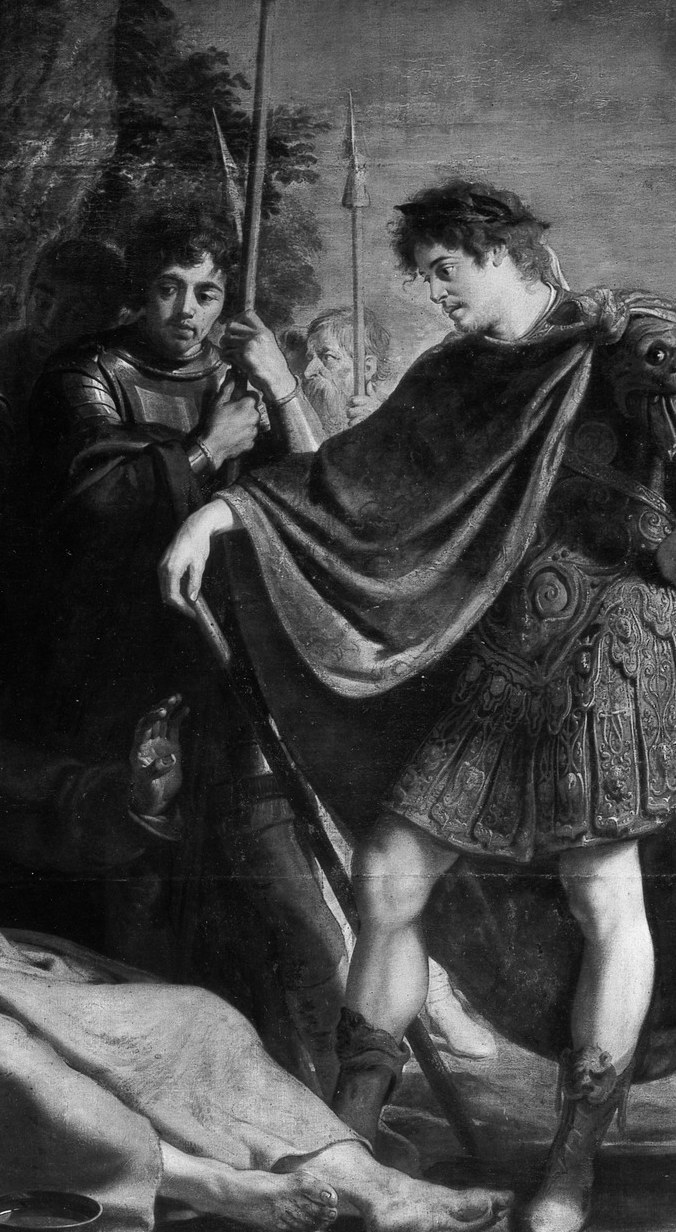
This is The Meeting of Alexander the Great and Diogenes, painted around 1650 by the Flemish Baroque artist Gaspar de Crayer. It captures one of the most celebrated verbal deflections in history: when the most powerful man on earth offered a penniless philosopher anything he wanted, Diogenes replied, 'Stand out of my sunlight.'
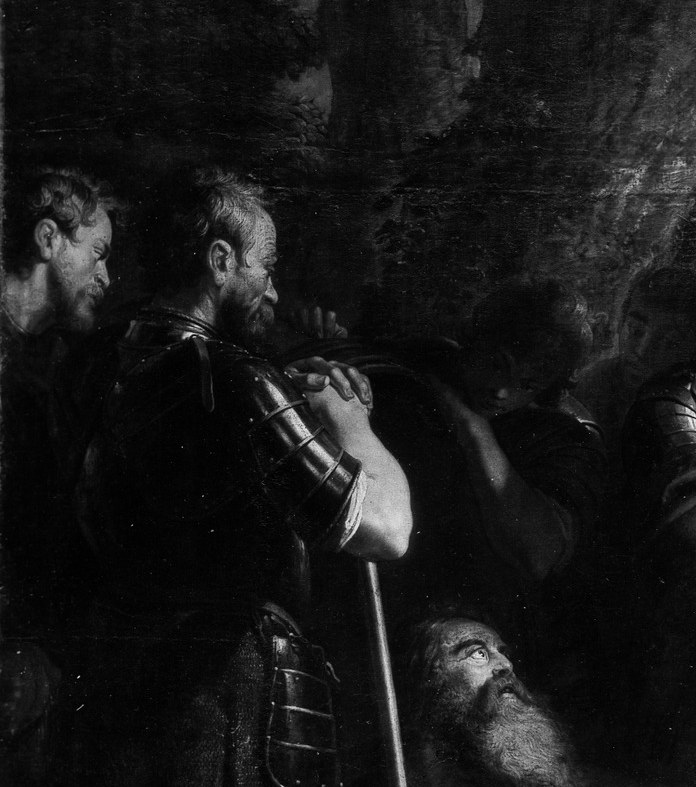
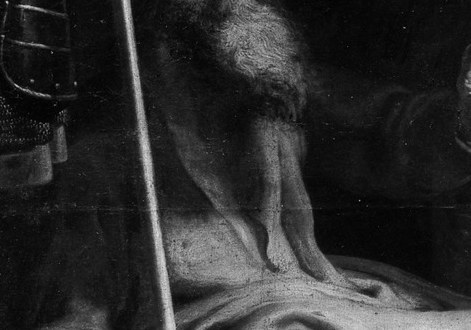
Watch where de Crayer puts the detail. Alexander arrives in engraved armor with a restless white horse barely held by a groom. His army masses behind him. But in the painting, those soldiers are almost invisible, dissolved into dark shadow at the upper left. The power they represent is literally darkened, pushed to the margins of the story.
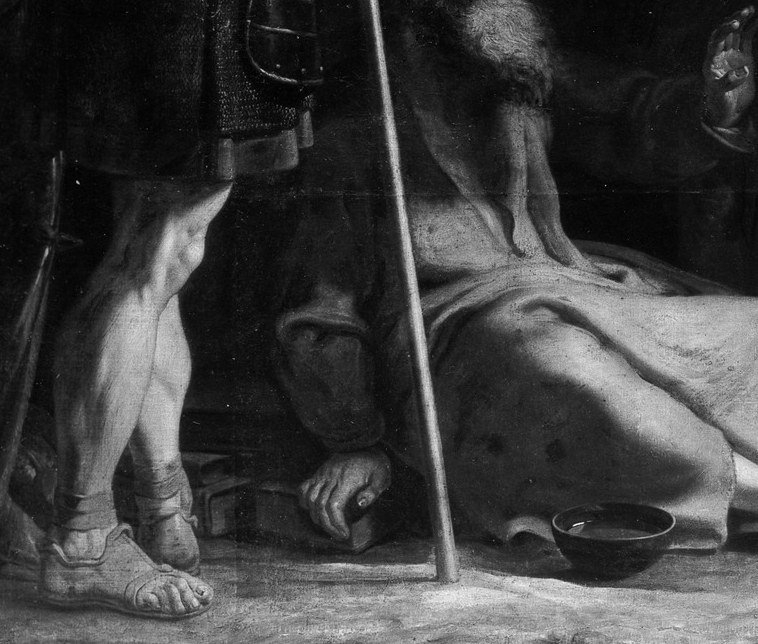
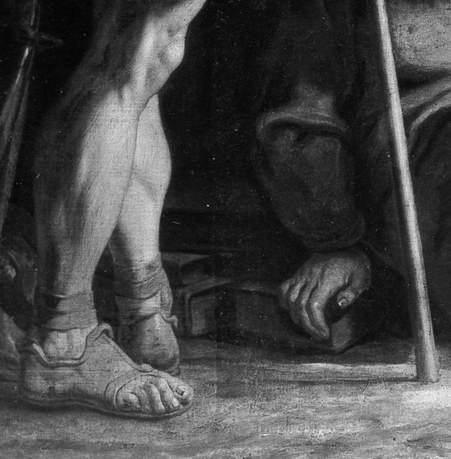
Then find the barrel at the lower left. This was Diogenes' home, his only possession, and the symbol of the Cynic philosophy: a radical rejection of wealth, status, and comfort. De Crayer places it near the edge, easy to scroll past, yet it is the whole argument. The man who owns a barrel refuses the man who owns the world.
De Crayer spent most of his career painting Counter-Reformation altarpieces and royal portraits for the governors of the Southern Netherlands. This scene gave him a different brief: paint a moment where spiritual freedom outranks political power. Notice how the pale sky behind Alexander's head forms an accidental halo, while Diogenes, flat on the ground, looks up without any awe at all.
Details
Transcript
A king in armor visits a man who owns nothing. Alexander the Great, conqueror of the known world. And Diogenes, who told him to step aside. Look at the background. The soldiers vanish into shadow. All that military power made anonymous. Now look for the philosopher's only possession. His barrel. Radical self-sufficiency in a single object. This is the look of a man who needs nothing from a king.