Portrait of a Man by William Beechey
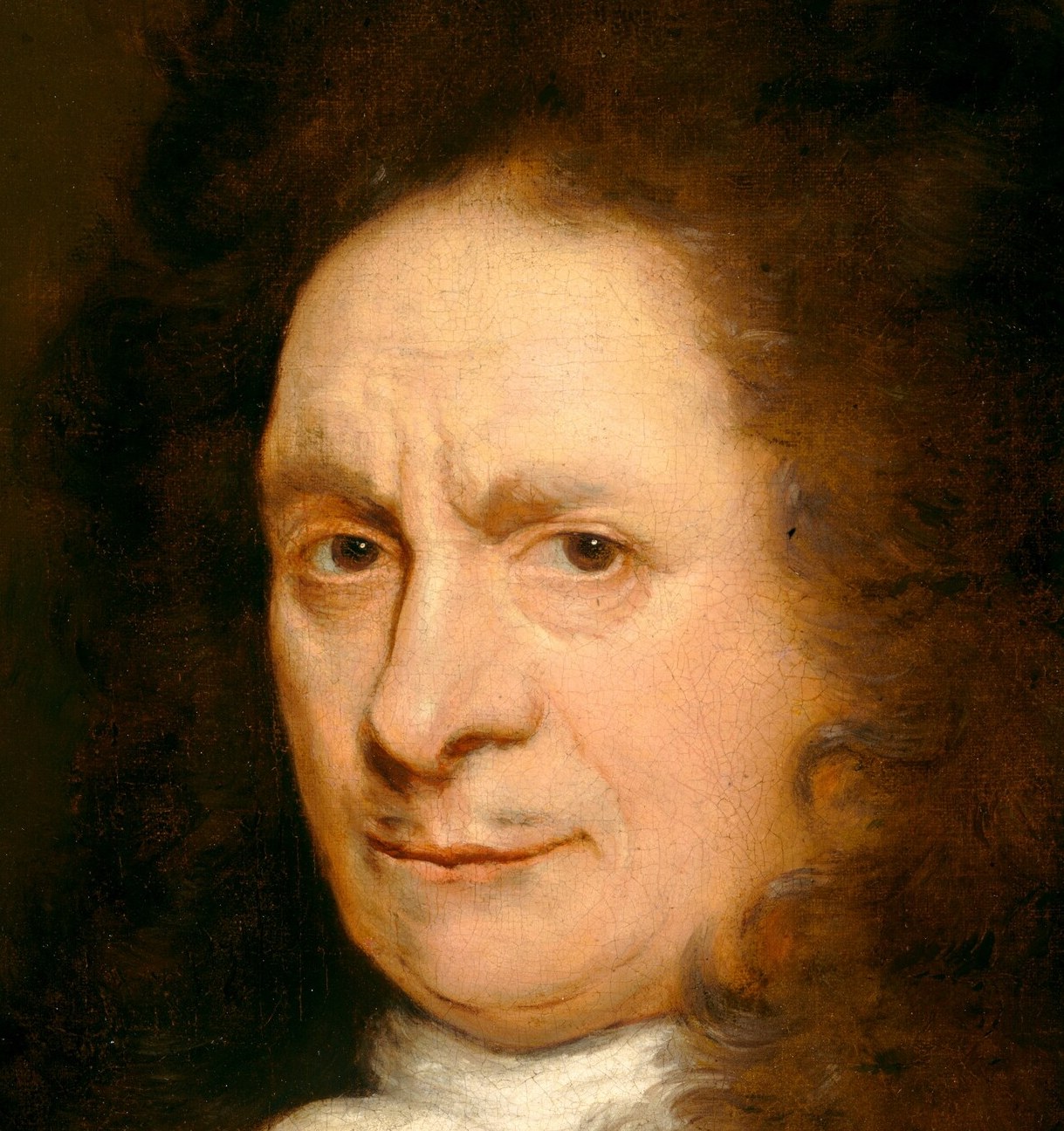
Painted by Sir William Beechey in 1800, *Portrait of a Man* at The Cleveland Museum of Art offers a fascinating look into the symbols of status in British Romanticism. Every detail, from the military jacket to the cravat, speaks volumes about the subject, even if his identity remains a mystery.
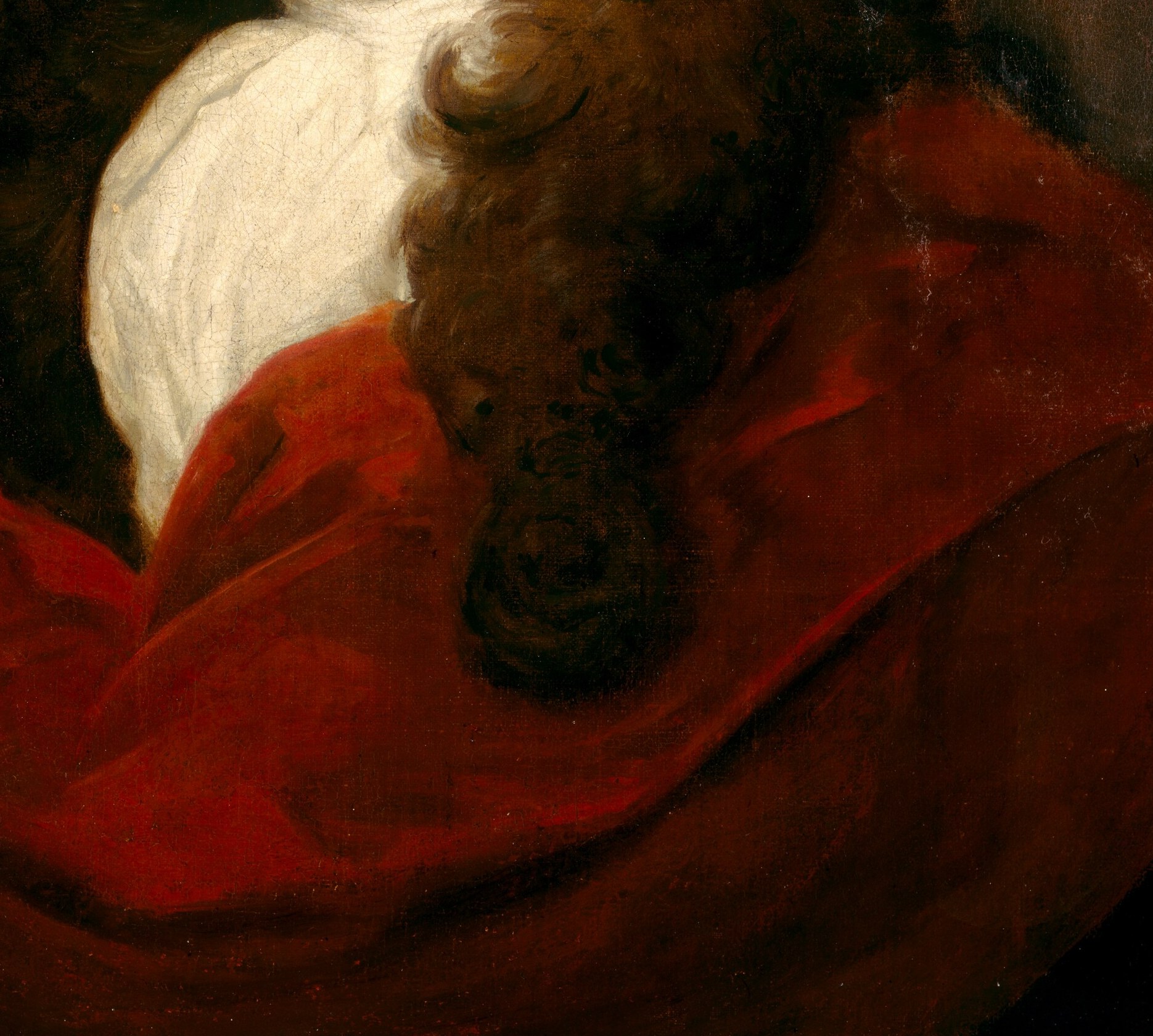
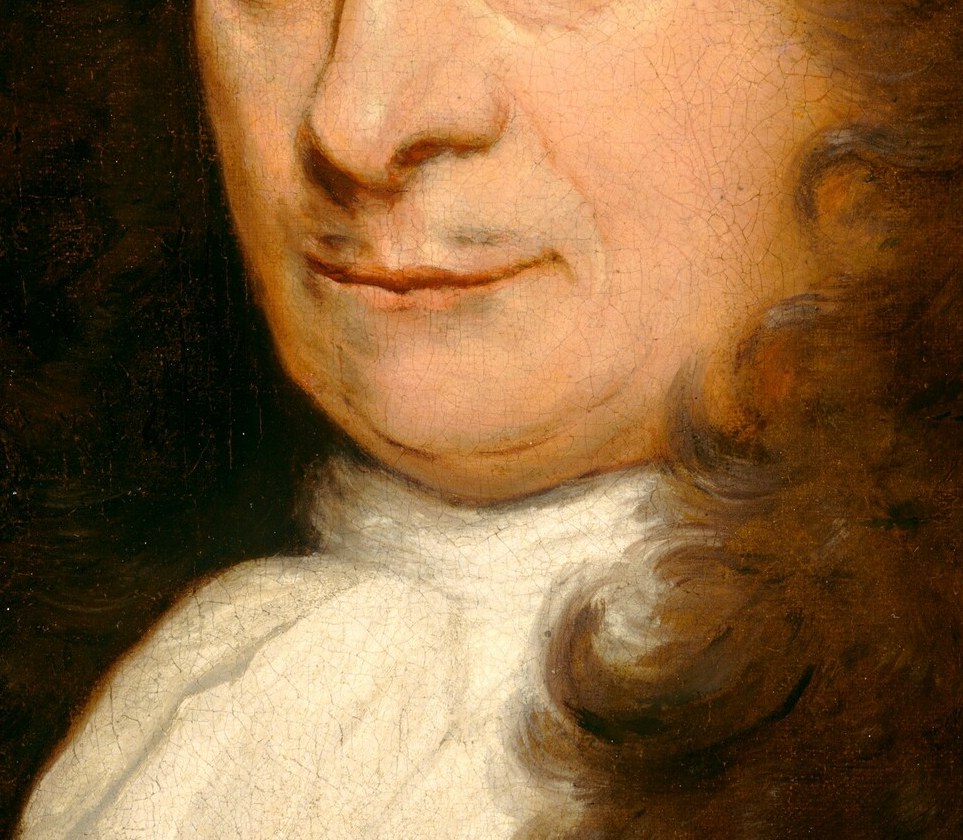
Observe the dark military jacket, a clear sign of authority and the fashionable attire of the time. The gold buttons are not merely decorative; they denote wealth and military rank, while the crisp white cravat, rendered with fine detail, underscores the sitter's status and refined taste.
Sir William Beechey was a prominent British portraitist during what is known as the "golden age" of British painting. His ability to capture not just a likeness, but also the societal standing of his subjects, is evident in this piece. This painting is a testament to the era's emphasis on individualism and dramatic portrayal.
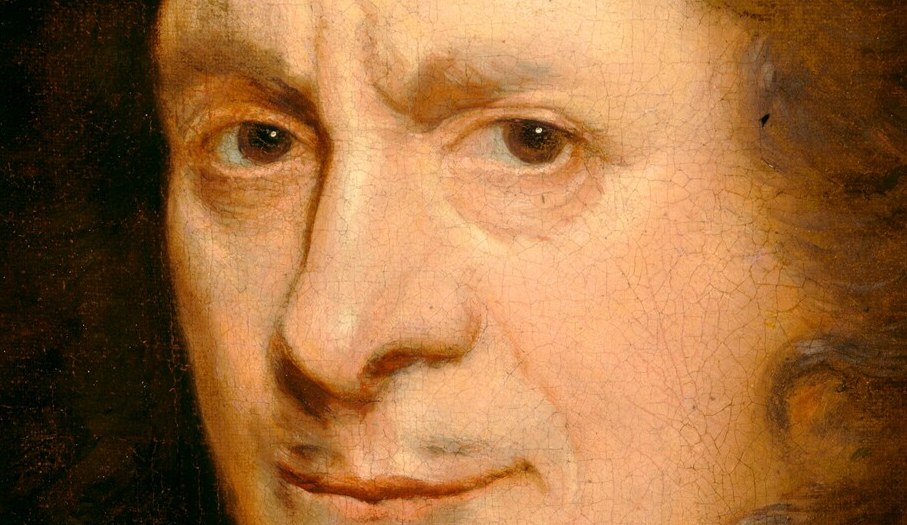
What do these details tell you about the man himself?
Details
Transcript
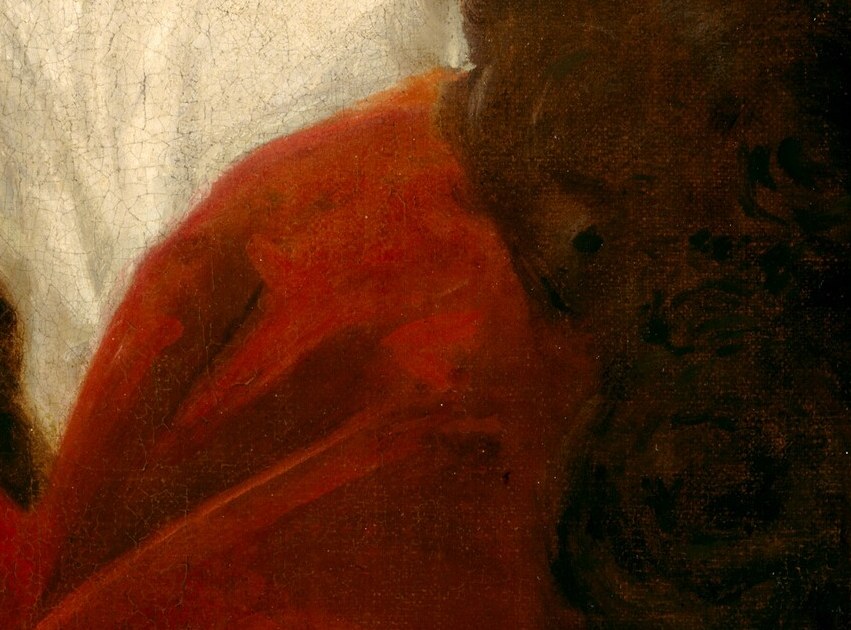
This portrait captures an unidentified man, painted in 1800. He wears a dark military jacket, signifying authority and fashion. His gold buttons highlight wealth and military rank of the era. The crisp white cravat speaks to his status and meticulous attire. A glimpse of red collar adds a striking, vibrant contrast. Sir William Beechey, a renowned British portraitist, created this work.