Soap Bubbles by Van Loo, Charles Amédée Philippe
Charles-Amédée-Philippe van Loo's 'Soap Bubbles', painted in 1764, is a charming example of an 18th-century genre scene, now housed in a private collection. Van Loo, a celebrated artist who won the Prix de Rome in 1738, was widely known for his grand allegorical works and portraits, including a famous depiction of the Marquis de Sade.
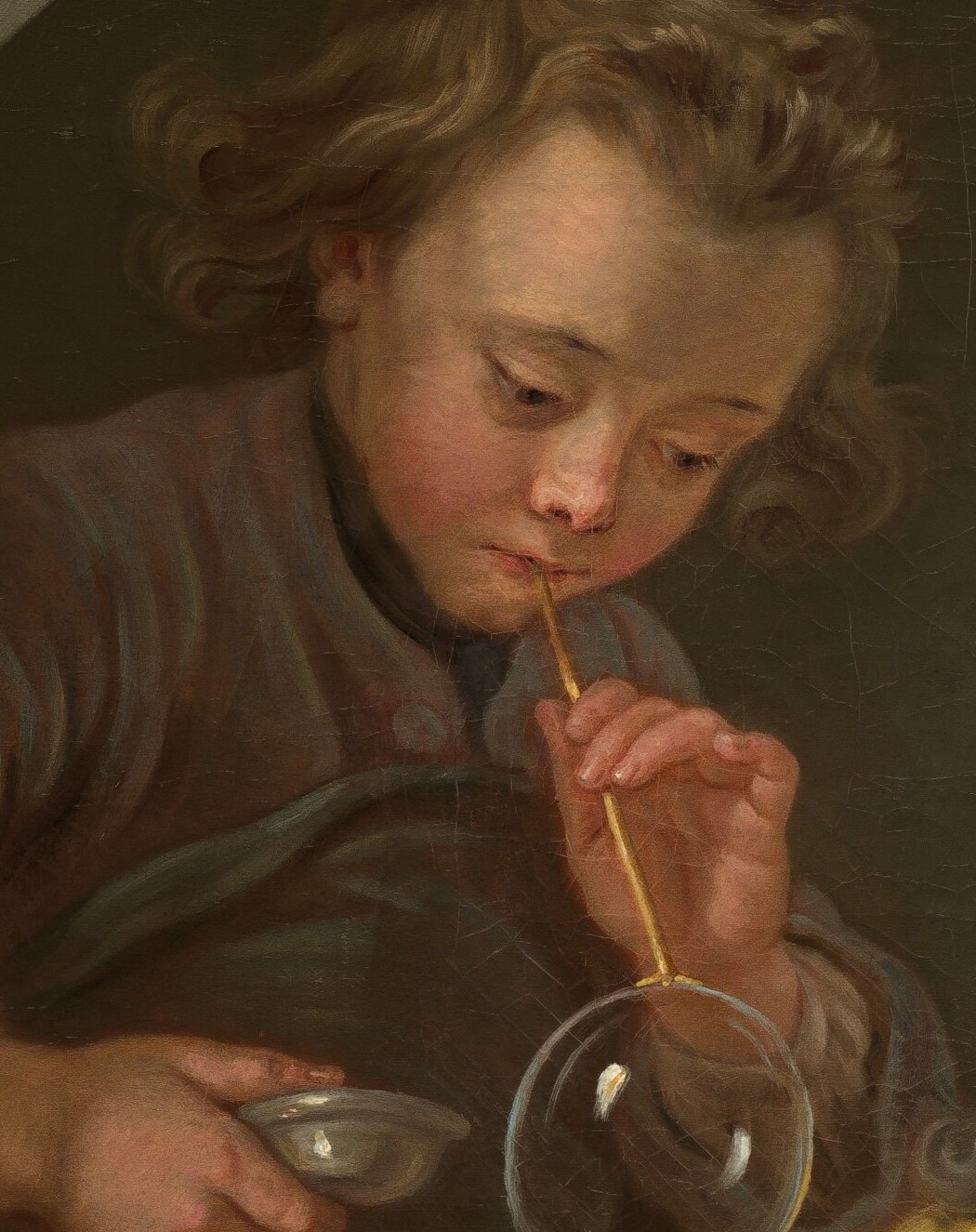
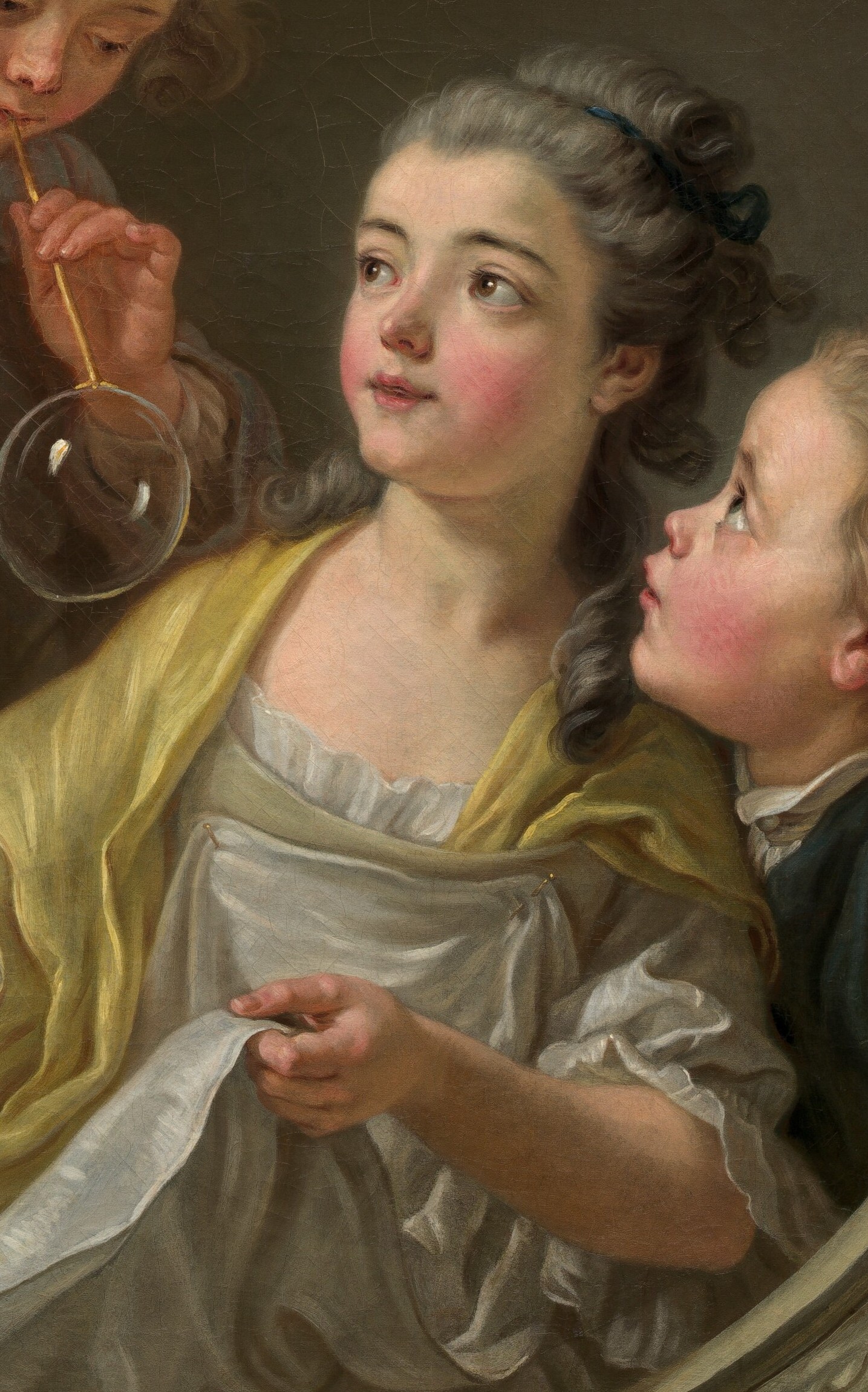
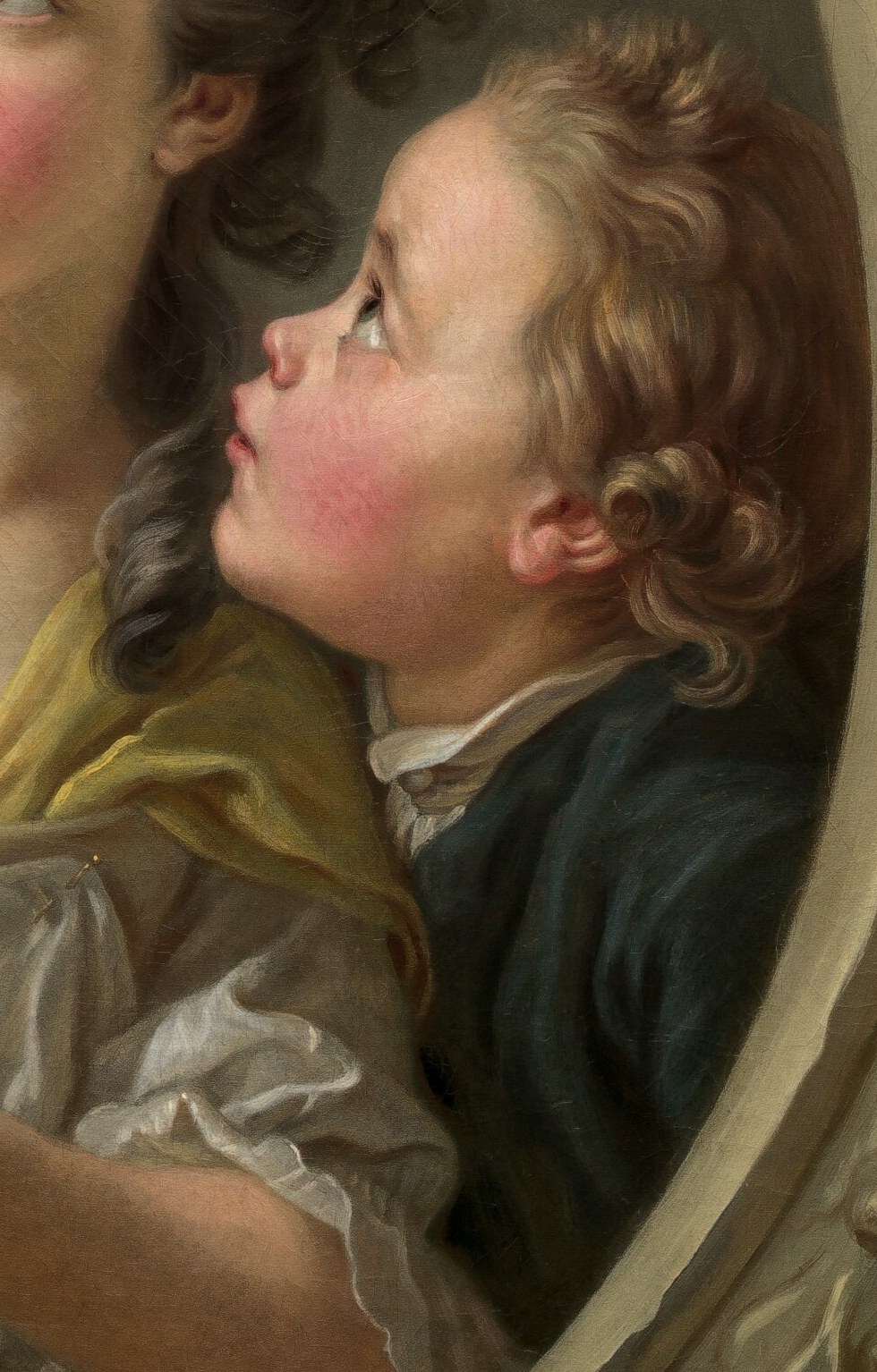
Here, he turns his attention to an everyday moment. Observe the delicate soap bubble, the focal point for the three children. Their expressions, from the concentration of the boy blowing to the captivated gaze of the girl, beautifully convey the innocence and wonder of childhood.
This painting is a wonderful example of the Rococo style, with its light palette and decorative aesthetic perfectly capturing the ephemeral quality of the bubbles and the tender nature of the scene. Van Loo's skill transforms a simple act into a moment of quiet contemplation on life's fleeting pleasures.
What everyday moments do you find yourself pausing to appreciate?
Details
Transcript
This painter won the Prix de Rome in 1738. He was known for allegories and portraits, like of the Marquis de Sade. But here, he captured a simple, fleeting moment. The children's expressions show pure, innocent wonder. It’s a quiet scene, a reminder of childhood's transient joys. The Rococo style perfectly suited these delicate subjects.