The Marriage Feast at Cana by Juan de Flandes
View the artwork: The Marriage Feast at Cana →
Juan de Flandes painted The Marriage Feast at Cana around 1500, showing the biblical moment when water became wine. It is a crowded, clamorous scene with a theological pivot at its center, but the detail that stays with you is not Christ or the bride. It is a man almost invisible at the far left edge.
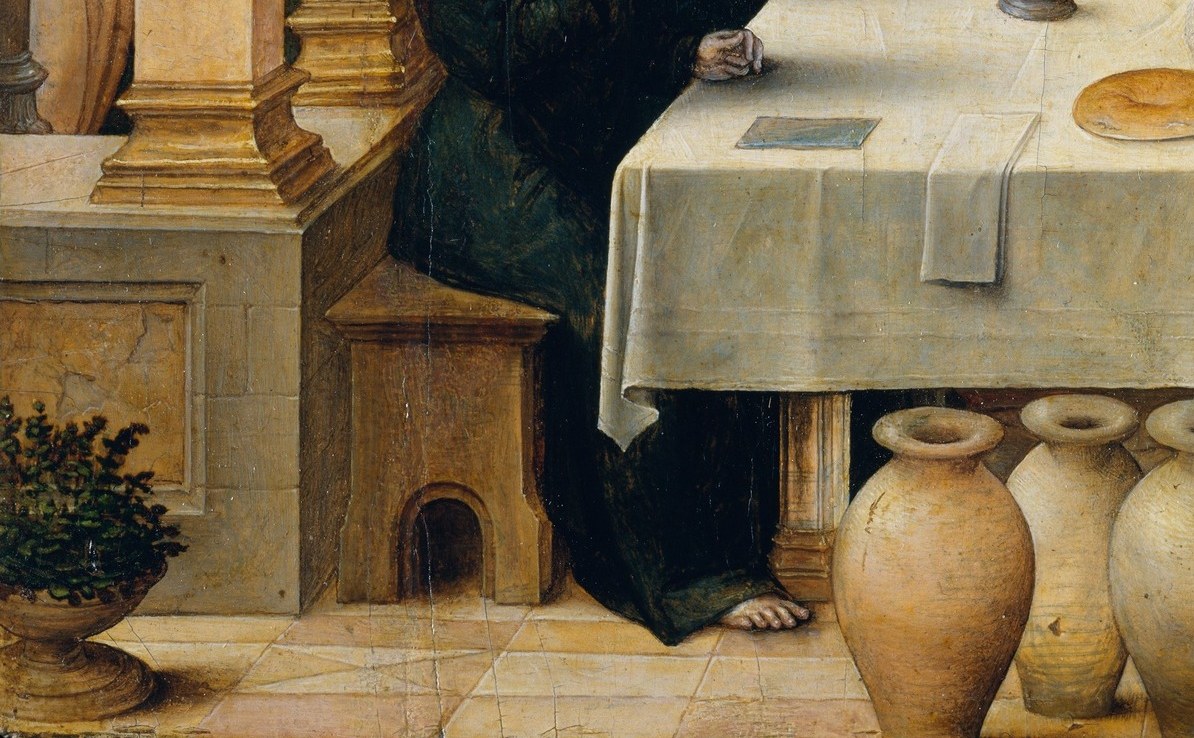
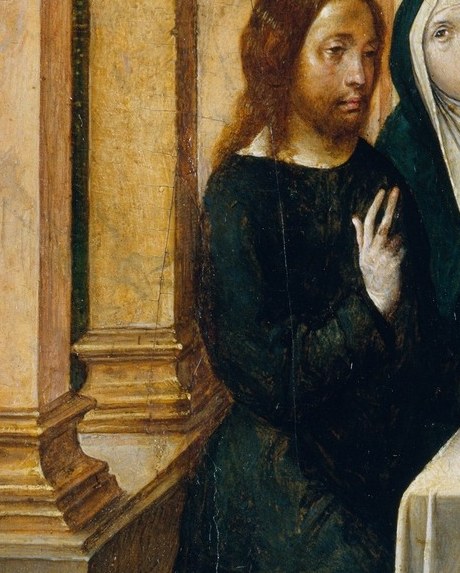
Look at Christ's clasped hands first. That precise, prayerful gesture is the instant before the miracle. Then trace the elder steward's face. He has just tasted the wine and doesn't yet understand where it came from. The bride in rose-pink glows at the table's heart because she is the human reason this feast exists at all. The six stone jars in the foreground are massive and earthy, anchoring a spiritual event in weight and physical fact.
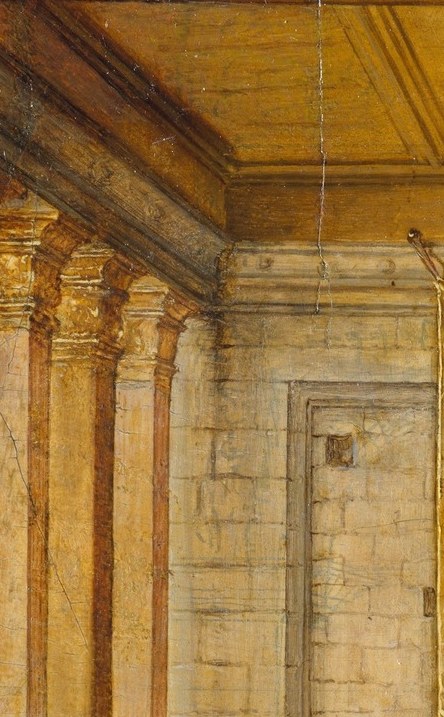
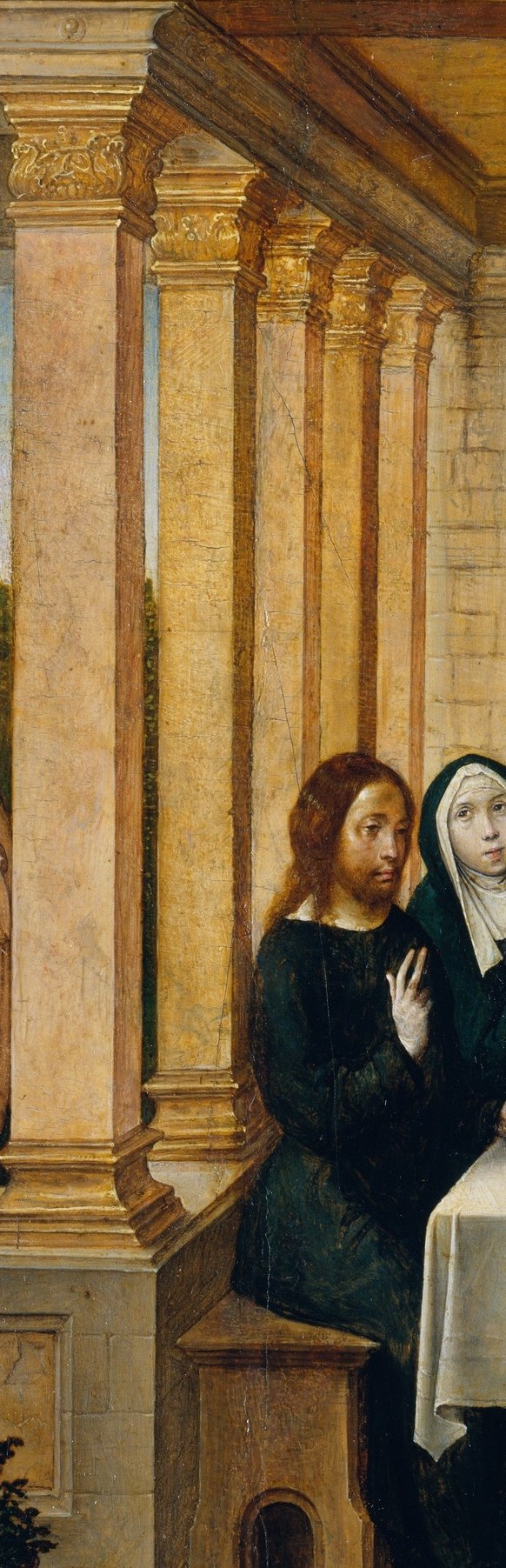
Now find him. Pressed against the left column, a shadowed bystander is nearly swallowed by the architecture. Flemish painters routinely tucked marginal witnesses into crowd scenes, but this figure feels different. He is just there, watching quietly, present at the miracle but unacknowledged by it. De Flandes painted him into the corner intentionally, and his stillness pulls you back to him every time.
Most of us will never be the bride or the saint at the center of the story. But we can stand in the room and see it happen. Someone painted that truth five hundred years ago and left it in the corner for us to find.
#arthistory #juan-de-flandes #flemish-art
Details

Transcript
A crowded wedding feast, painted around 1500. Christ's hands are clasped. Water is about to become wine. The steward will marvel at the taste in just a moment. The bride in rose pink is the warmest thing in the room. And then, almost eaten by the column, one figure. Marginal. Half-hidden. A witness to everything. The painter placed him there to watch for all of us.