Fray Diego de Deza y Tavera arzobispo de Sevilla by Francisco de Zurbarán
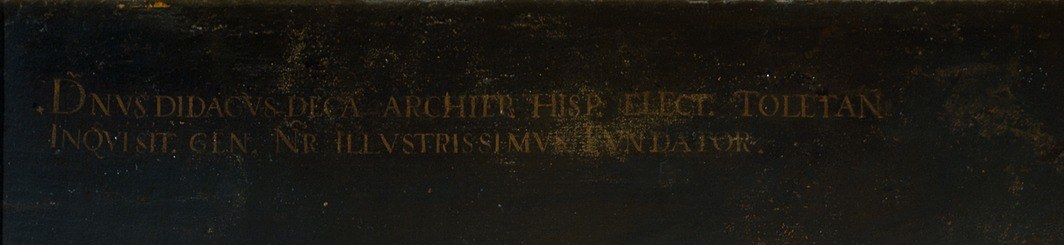
Francisco de Zurbarán's 1631 portrait, *Fray Diego de Deza y Tavera arzobispo de Sevilla*, depicts a man who waited three decades for his high office. Now held at the Museo del Prado, the painting captures the quiet triumph of the Archbishop of Seville.
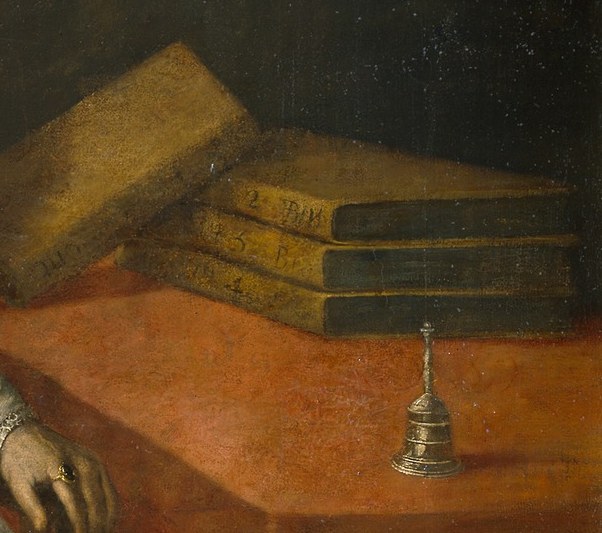
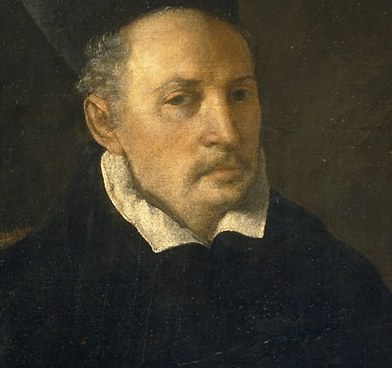
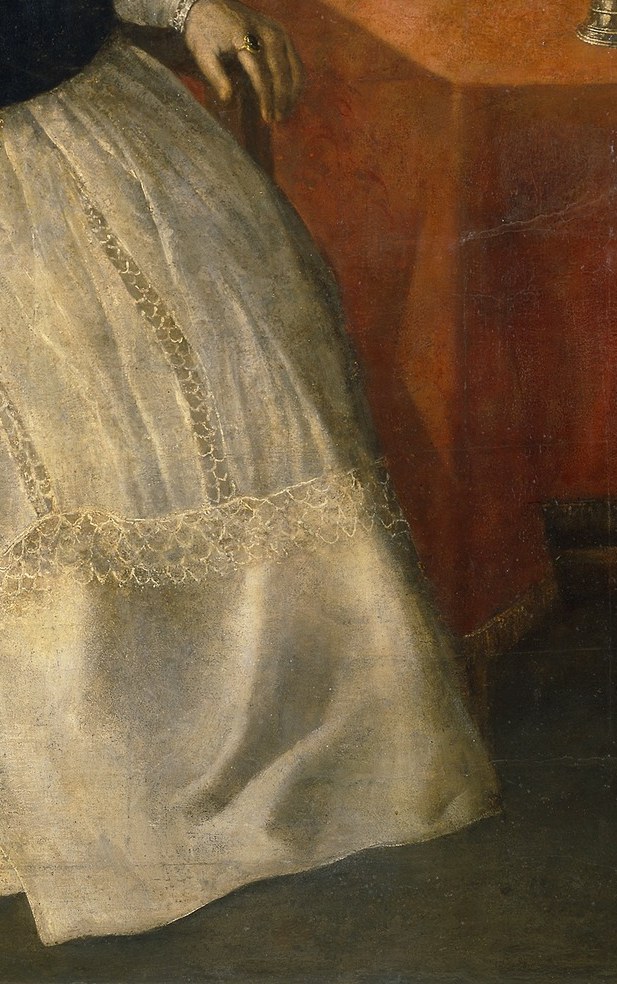
Look closely at the Archbishop's expression and the symbols of his learned life, like the stack of books. The prominent ring on his hand signifies his episcopal authority, hard-earned after years of dedication and patience.
Zurbarán, often called the "Spanish Caravaggio" for his dramatic use of light and shadow, brings out the solemnity and intellectual depth of Deza. This work is a testament to the artist's skill in conveying not just a likeness, but a life story within a formal portrait.
What stories do you see hidden in the details of this painting?
Details
Transcript
This is Archbishop Diego Deza, painted in 1631. He was a powerful man, a scholar of theology. He spent 30 years waiting to become Archbishop of Seville. Notice the ring, a symbol of his hard-won authority. His face reflects the gravitas of his high office. Zurbarán, the painter, was known as the 'Spanish Caravaggio.'